


Oliver Kahn: The final sigh of a fallen titan

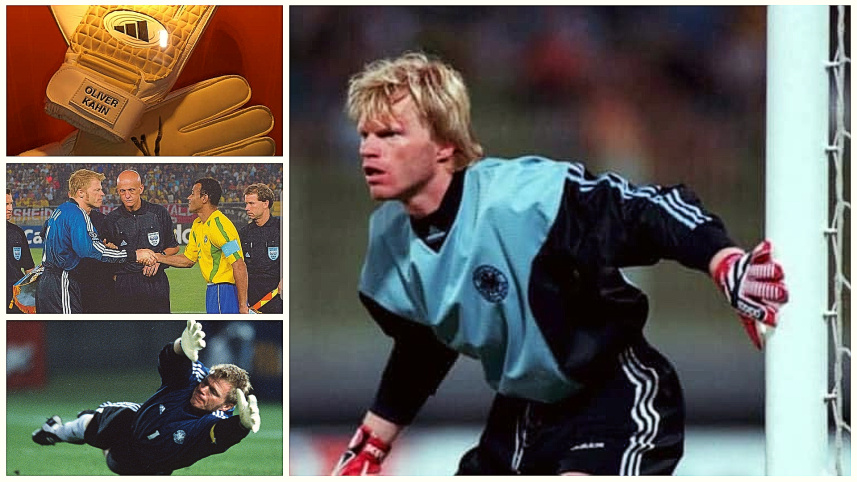
At Yokohama Stadium in Japan, the night was slowly turning yellow. Waves of Brazil shirts rolled through the stands, the galleries trembling with celebration. The entire Brazilian side were swept up in the joy of a fifth world title -- samba rhythms in the air, fireworks lighting up the sky. Yet, at one end of the pitch, another story was quietly unfolding. Amid the deafening celebration, an almost eerie stillness stood out.
There, leaning against his goalpost, sat Oliver Kahn -- Germany’s ‘Titan’. Silent. Still. Defeated. Like a lone sentinel in dust-covered armour after battle, unable to save his fortress in the end. In that solitary figure lay perhaps the most poignant truth of the 2002 World Cup: sometimes, an entire tournament’s heroism comes to rest on a single mistake, a single moment, a long, unbroken silence.

Some images transcend time and become symbols. Kahn’s slumped figure is one such image. It is not merely the picture of a lost final; it is the embodiment of a goalkeeper’s eternal solitude. Because on a football pitch, the goalkeeper is always alone. The other ten fight together, err together, tire together; but the goalkeeper exists in a peculiar exile. He stands behind everyone, yet bears the greatest burden. He is the team’s last hope, yet, when things go wrong, he alone is blamed. The distance he occupies is not just physical -- it is a distance of fate.
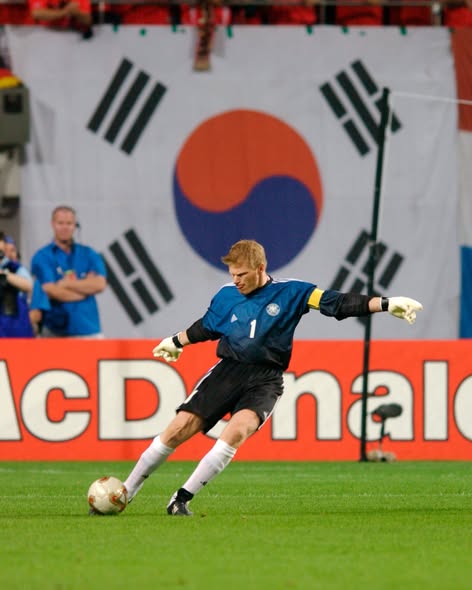
Kahn seemed born for that destiny. There was a wild intensity in his eyes, as though an ancient beast roared within. He did not merely stop the ball; he attacked it, as if seizing an enemy by the throat. There was no softness in him, no trace of indulgence -- only a ruthless honesty. He forgave neither his own errors nor his teammates’ lapses, and showed little regard for the courage of his opponents. Beneath the crossbar, he resembled a medieval guardian in iron armour: cold, alert, furious, immovable.
To understand the weight of that moment, one must look back at the tournament. Germany were far from favourites in 2002. After a crushing 5–1 defeat to England in qualifying, even their own supporters were sceptical. But they possessed an unerring weapon: Oliver Kahn. The Bayern Munich goalkeeper was not just blessed with extraordinary reflexes; his fierce presence -- the lion-like mane, the commanding roar -- unsettled opposing forwards. Like a mythic griffin, he seemed to guard Germany’s goal alone.
From the group stage to the semi-finals, Kahn was almost superhuman. Paraguay, the United States, co-hosts South Korea -- all saw their fiercest attacks repelled by his unwavering gloves. Before the final, he had conceded just once in the entire tournament. Germany’s fragile defence was masked by his sheer presence and indomitable courage. Like Atlas from Greek mythology, he carried the weight of his team on his shoulders.
The final was set as an epic duel. On one side stood Brazil’s fearsome ‘three Rs’ -- Ronaldo, Rivaldo, Ronaldinho. On the other, Germany’s iron discipline, measured resilience, and above all, Oliver Kahn. Yet, before the match, Germany suffered a major blow: Michael Ballack was suspended. Their midfield lost its heartbeat, and the burden shifted even more heavily onto Kahn’s hands.
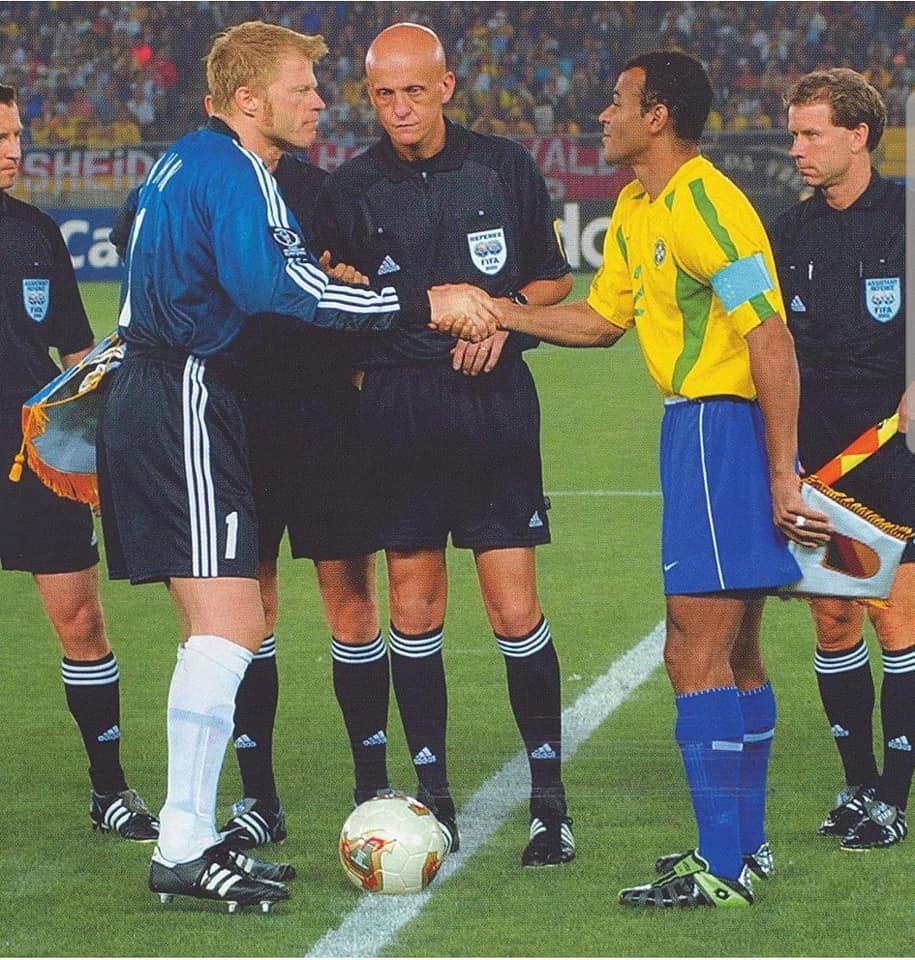
The game began. Brazil moved with rhythm, probing, suffocating with passes. Germany resisted with grit. It was music against stone. And Kahn’s face bore that familiar severity -- as though he would yield nothing.
In the first half, he saved, roared, organised, rebuilt. Ronaldo’s sharp strikes, Brazil’s relentless surges -- he threw himself at everything. It felt as though, if this final were to tilt on a miracle, it would be born of Kahn’s defiance. He was Germany’s last flame, flickering against the storm.
But football is a cruel poet. It can reduce an entire epic to a single line.
In the 67th minute, that line was written. Rivaldo struck from distance -- a routine effort for Kahn, one he had gathered countless times before. He moved forward, reached out, tried to claim it. But when fate waits in a moment, even perfected instinct can fail. The ball slipped from his grasp.
A small error, perhaps, in isolation. But this was a World Cup final -- that night, that opponent, that moment. It became a mistake heavy with history.
And there was Ronaldo. As if destiny had opened the door for him. He arrived, met the rebound, and sent the ball into the net.
1–0.
Soon after, another attack. Again Ronaldo. Again the net.
2–0.
The final whistle blew.
What followed is what endures. Brazil erupted in celebration, yellow shirts shimmering like waves of gold. Ronaldo stood with arms raised, placing the sun of 2002 over the shadows of 1998.
And at the other end, just beyond the festival of light, sat Oliver Kahn -- leaning against his goalpost, beside the ruins of his kingdom.
What did that posture hold? Fatigue? Not just that. Regret? Not entirely. It held the release of a tournament’s burden, the unbearable realisation of having carried a team almost single-handedly to the final, only to see the dream slip away by his own hand. It held the eternal judgement of a goalkeeper, where the brilliance of a thousand saves can be clouded by a single mistake.
 For all latest news, follow The Daily Star's Google News channel.
 In that moment, the goalpost was no longer wood and frame; it became a wall of confession, the lone witness to his defeat, the silent support for his grief.
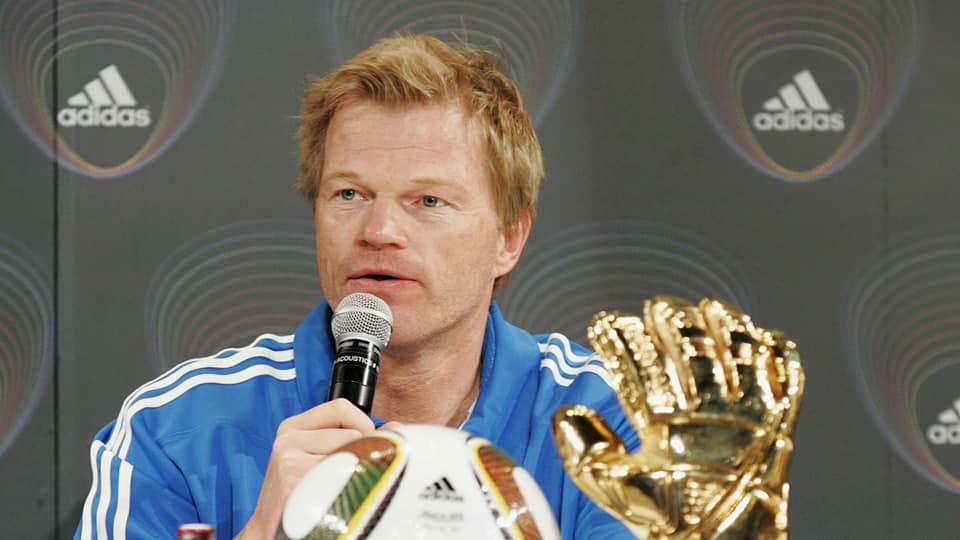
Kahn would go on to win the Golden Ball -- the first goalkeeper ever to do so -- in recognition of his extraordinary tournament. Yet even that golden honour could not dim the power of that solitary image.
He may have lost that night, but the lonely heroism of a fallen titan won something far greater -- a permanent place in football’s memory, a reminder that even the greatest can falter, and that at the very edge of glory, a man can still be utterly, profoundly alone.
Comments