


Favourites but not flawless

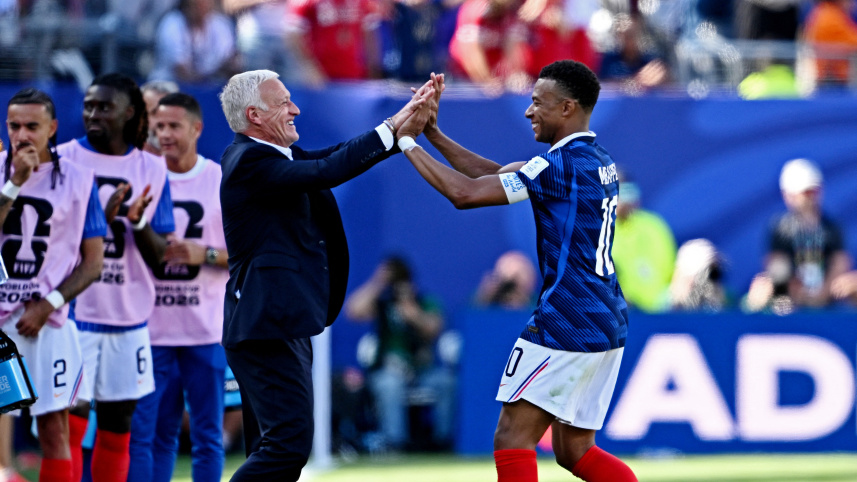
France arrived in North America as clear favourites to go all the way, tipped to become only the third team after Germany (1982-1990) and Brazil (1994-2002) to reach three consecutive World Cup finals.
Yet for the first hour of their Group I opener against Senegal, they looked anything but title favourites at the New York-New Jersey Stadium on Wednesday.

Then came the familiar turning point from Kylian Mbappe -- the kind that has defined his career on the grandest stages. A player who has long treated World Cup nights as his personal theatre once again delivered when France needed it most.
Mbappe -- World Cup winner at 18 in 2018, scoring in a World Cup final as a teenager, and a hattrick hero in the 2022 final in Qatar, joining Geoff Hurst as only the second player to achieve that feat -- broke the deadlock with a moment of pure precision. He evaded his marker inside the box to latch onto a crisp through ball from Michael Olise, adjusted his body in one fluid motion, and calmly slotted the ball past Senegal goalkeeper Edouard Mendy.
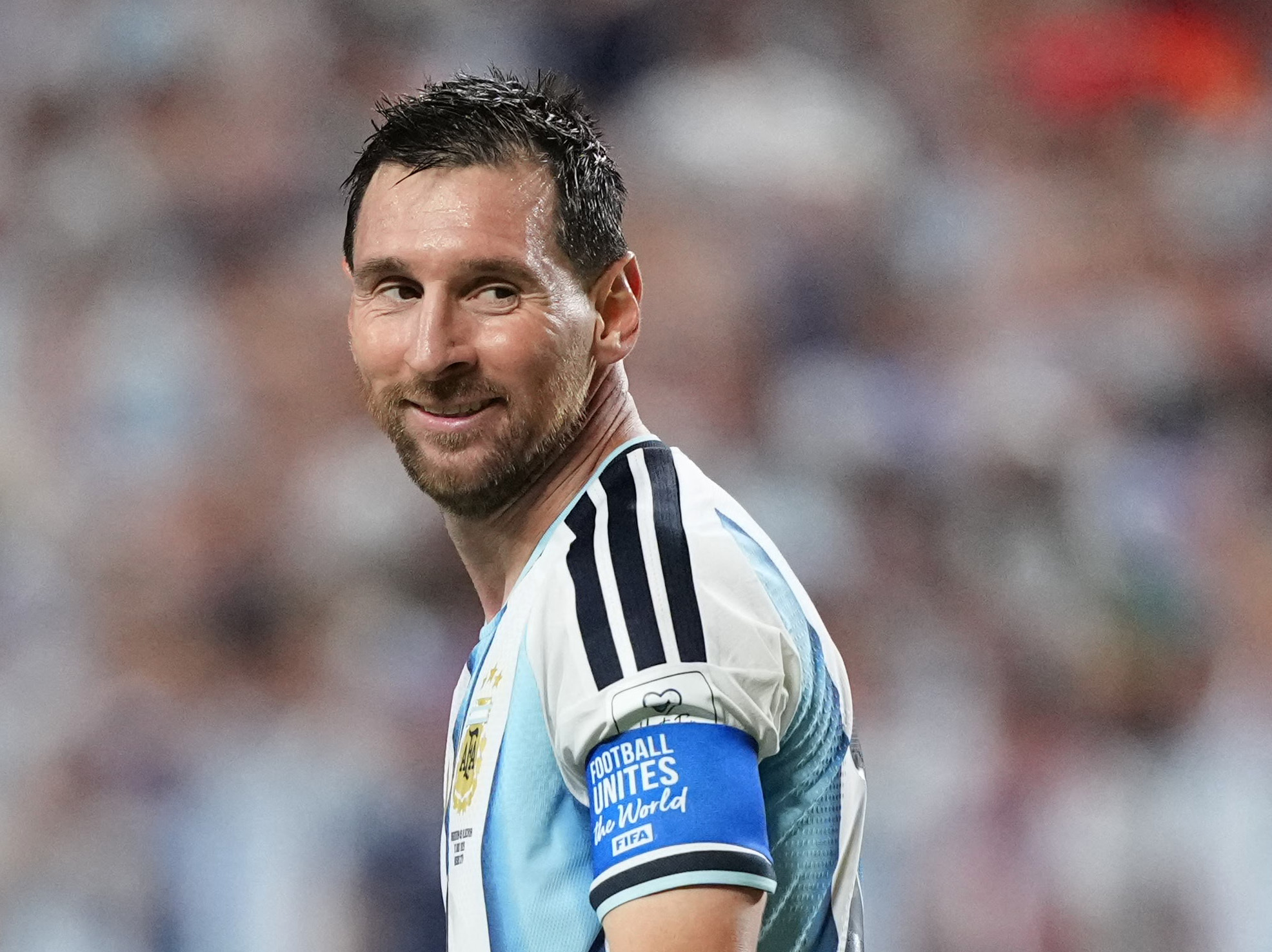
For all the pre-tournament hype surrounding France’s attack, it was only after the 66th minute that the runners-up of the last edition truly began to click. Bradley Barcola added a second in the 82nd minute with a delicate dink over the keeper, seemingly putting the game beyond reach. Senegal, however, refused to fade quietly, pulling one back in injury time to briefly unsettle the favourites and hinting at a more uncomfortable finish.
Still, Mbappe had the final word. Picking up space outside the penalty area, he unleashed a quick, decisive strike from distance that caught Mendy off guard once again. The goal not only sealed a 3-1 win but also made Mbappe France’s all-time leading scorer with 58 goals, surpassing Olivier Giroud. At just 27, his World Cup record -- 14 goals in 15 matches -- continues to underline a player who seems built for football’s biggest stage.
Yet the scoreline only told part of the story. Despite the victory, France did not display the kind of sustained dominance expected from outright favourites. There were moments where they rode their luck, particularly in the first half, when their front three of Desire Doue, Mbappe, and Ousmane Dembele barely combined, registering just a single touch between them before the break.
Senegal could easily have shifted the momentum. Nicolas Jackson struck the post, while Ismaila Sarr wasted a clear chance, firing over with the goal gaping. On another night, France might have found themselves chasing the game.
Deschamps’ tactical setup could also be scrutinised. Olise was deployed more centrally -- a shift from his destructive club role as a right-winger at Bayern Munich, where he registered 25 goals and 28 assists in 57 appearances across competitions. While his vision and passing ultimately helped unlock Senegal’s defence, France arguably lost some of his natural threat from the right flank, where his cutting runs and curling finishes are most dangerous.
This is where Didier Deschamps finds himself spoilt for choice. France’s depth allows him to reshape the attack without weakening it, even if the balance is still being refined. He could, for instance, introduce Manchester City’s Rayan Cherki in the number 10 role, shift Dembele to the left, restore Olise to his preferred right wing, and keep Mbappe centrally -- a configuration that could make France significantly more incisive.
With Group I still unfolding, France now turn their attention to Iraq, the weakest opponent on paper and a match that presents an opportunity to sharpen rhythm and attacking cohesion. After that, a far sterner test awaits against Norway, a fixture that will likely reveal whether France’s current imperfections are early-tournament rust or structural concerns that require adjustment.
For Deschamps, these upcoming games are less about survival and more about calibration. France have the talent, the depth, and above all Mbappe -- but whether they fully resemble favourites will depend on how quickly their many moving parts are made to function as one.
 For all latest news, follow The Daily Star's Google News channel.
Comments