


An eternal cycle of giving and reminding
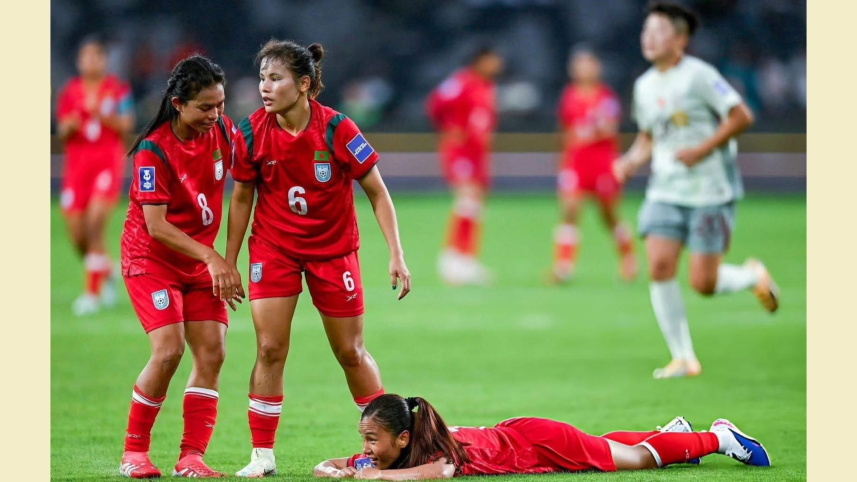
The scoreline yesterday in Sydney read: China 2 – Bangladesh nil. To the uninitiated, it was a routine victory for the reigning Asian champions. To those who have followed the Bangladesh women’s footballers through the smog of Dhaka and the broken promises of the Bangladesh Football Federation, it felt like a miracle of defiance.
Bangladesh’s debut at the Women’s Asian Cup was a masterclass in heart over infrastructure. The manner of it -- the stubborn resistance for 40-odd minutes, the tactical recalibration at half-time, relentless press against a side ranked 17th in the world while Bangladesh sit at 112 -- told a more layered story at the picturesque Western Sydney Stadium.

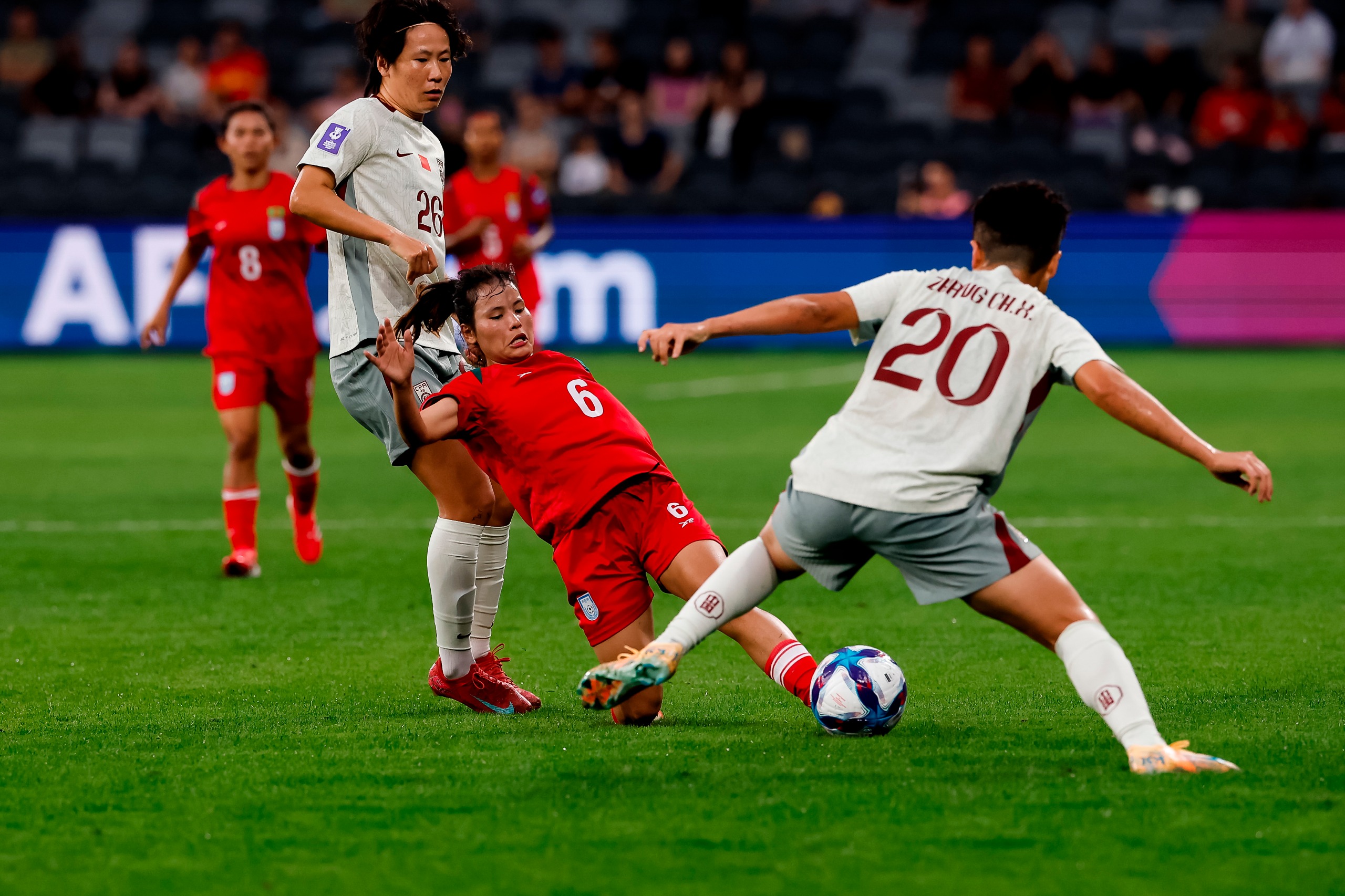
As the game matured, so did they. But when the final whistle blew, a familiar, bitter notion resurfaced: the tragedy of Bangladesh women’s football is that it evolves despite the system, not because of it. From the 2022 SAFF winners being denied Olympic qualifiers due to financial shortcomings to the 2026 squad facing China on the back of scaled-down preparation, the cycle feels eternal.
After the 2024 SAFF title and the historic Asian Cup qualification in 2025, the air was thick with the scent of reform. Under the Dr Mohammad Yunus-led interim government and new BFF boss Tabith Awal, “Mission Australia” was launched with fanfare. BFF women’s wing chairman Mahfuza Akter Kiron promised a roadmap of friendlies with much stronger oppositions and a Japan camp.
Instead, the roadmap led to a dead end. The elite preparation consisted of matches against Thailand (ranked 53), Azerbaijan (74) and Malaysia (91) -- respectable, but hardly the crucible required to face China or North Korea, ranked ninth. While India toured Turkey for six matches and Uzbekistan prepared in Vietnam, Bangladesh’s “overseas camp” amounted to a single practice match against local club Western Sydney FC.
After the qualifiers, captain Afeida Khandaker and her teammates spoke publicly about nutrition, functioning gyms, proper training grounds and a stable domestic league. It was a damning indictment of the federation that national heroes like Afeida -- who had earlier toured Qatar with the then Chief Adviser Dr Yunus -- still had to request basic support.
As the players kept training in one of the most polluted cities on earth, on pitches that barely spare their knees, even their team bus could at least have received an air-conditioning upgrade.
Eventually, the golden generation went to the biggest tournament of their lives without a designated physio. They had spent months in the low-intensity Bhutanese league because their own domestic competition remained in an 18-month limbo, eventually squeezed into a six-week sprint on the unforgiving artificial turf of Kamalapur.
“The conditions that they actually train and live in are not ideal… not conducive to producing professional footballers,” Bangladesh coach Peter Butler remarked post-match.
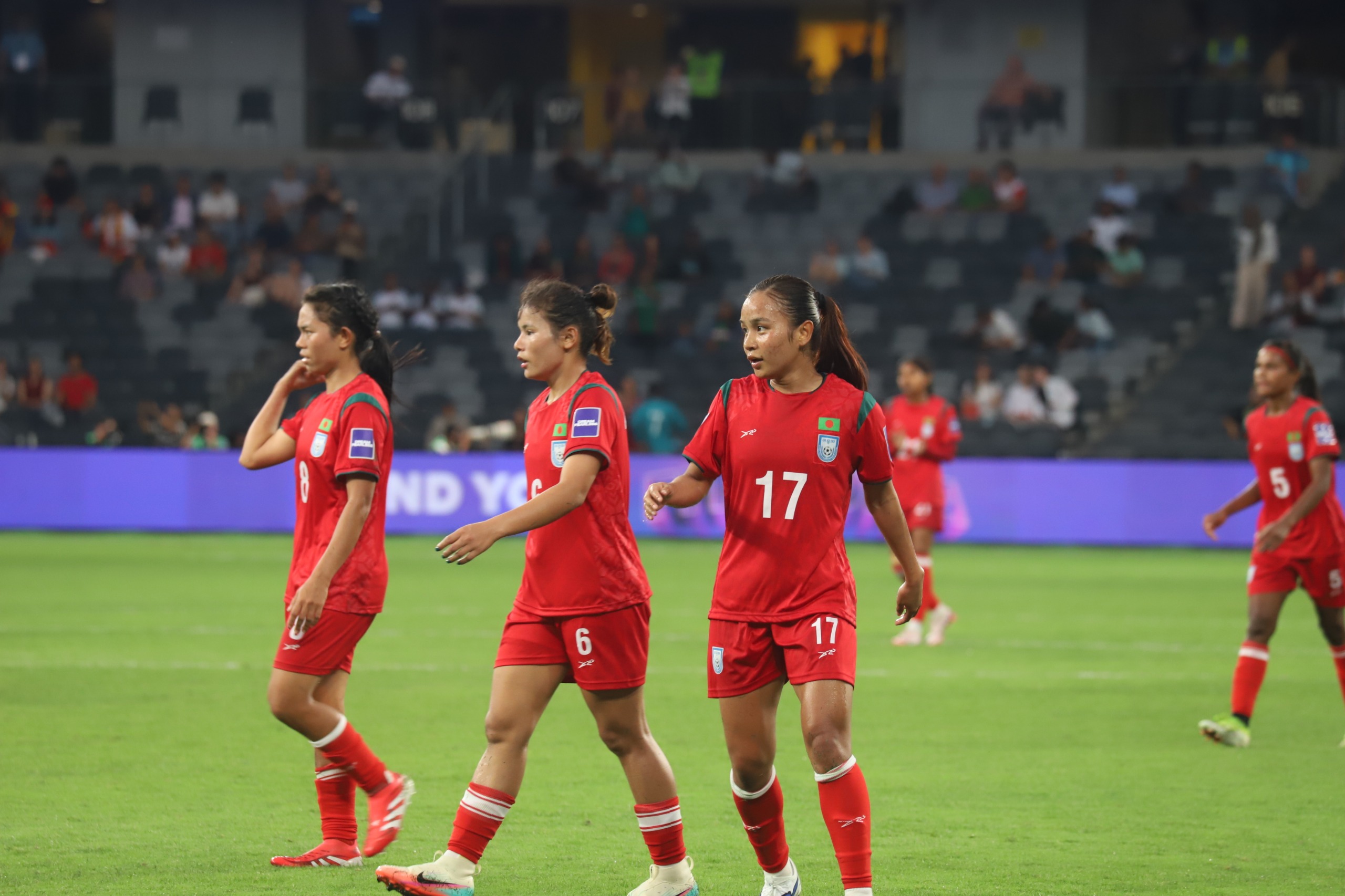
Returning to yesterday’s “statement performance”, it suggested that the talent in Bangladesh is of top-50 calibre. Bangladesh had stunned near-50-ranked Myanmar in the qualifiers. Rankings, as that night proved, can mislead.
Against China, they did not disgrace themselves. Butler said so. Most neutral observers would agree. But this cannot become an endless cycle where the women keep producing the goods and yet have to keep reminding the authorities of the bare necessities. “We've had our peaks and troughs, we've hit loads of speed bumps in the road,” Butler reflected.
One might wonder -- what could have been had Bangladesh received preparation suited to a mega event like this?
“We don't have the luxury and the finance and we don't have the opportunity to prepare like other teams do… Hopefully we can give these girls a better life.”
Will future structures match their stride? Or will the women continue to give, and remind, and give again?
 For all latest news, follow The Daily Star's Google News channel.
Comments