


Changing the narrative of golf
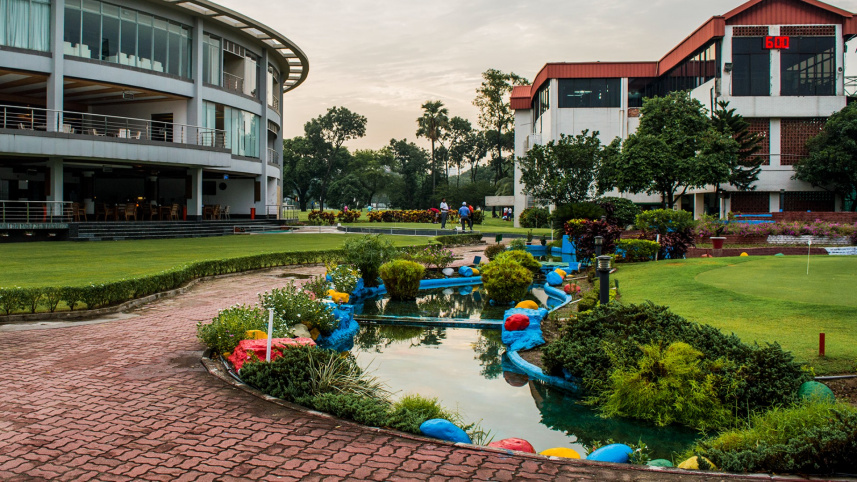
Historically, the global golf landscape has been shaped by a heavy concentration of capital and infrastructure in a handful of countries.
The United States remains the industry’s undisputed leader, boasting around 16,000 courses and generating an annual economic impact of approximately $102 billion. While Western nations continue to dominate in terms of established facilities, a significant global shift is underway.

Investment is increasingly being directed towards high-growth corridors in Asia, driving a rapid expansion of the regional golf industry.
Thailand, with more than 300 courses, has successfully positioned itself as a global hub where golf serves as a key, state-supported revenue stream.
This growth is mirrored in India and Malaysia; India’s 250-plus courses underpin a billion-dollar luxury real estate ecosystem. Even under strict land-use regulations, China’s 600-plus courses reflect vast capital investment, accelerating the sport’s expansion across the continent.
These countries have effectively deployed a “Triple Helix” model, aligning government policy, private sector innovation and foreign investment to scale the sport. This approach has transformed golf from a niche pastime into a robust economic engine.
By synchronising these sectors, nations such as Thailand, India and Malaysia use golf to drive both international tourism and national prestige.
Central to this model are government incentives aimed at lowering the high capital barriers associated with golf development. These include tax holidays for new course construction, subsidies for junior programmes, and reduced import duties on specialised turf equipment.
Such fiscal measures are complemented by strategic rebranding efforts that position golf as a tool for enhancing national identity and global recognition.
The final stage of development involves integrating global financial institutions and corporate partners into the domestic ecosystem. By attracting entities such as LIV Golf, DP World and Aramco -- alongside established sponsors like Rolex, HSBC and BMW -- countries anchor their golf industries within the global financial network.
This foreign direct investment does more than fund prize money; it provides a “global seal of approval” that validates infrastructure and stimulates further private investment.
Partnerships with firms such as Morgan Stanley, Emirates and IBM further transform the sector into a sophisticated commercial engine, generating foreign exchange and high-value employment.
Long-term success in these nations is underpinned by stable and highly specialised administrative leadership. The global golf ecosystem relies on experienced professionals who have spent decades mastering the sport’s technical, regulatory and commercial dimensions.
Figures such as the R&A’s Dominic Wall and Grant Moir, and the USGA’s Todd Stice, exemplify the institutional continuity required to maintain global standards and deliver sustained returns on investment.
In Asia, too, this culture of professionalism and continuity has been instrumental in industrialising the sport. In India, leaders such as Major General Bibhuti Bhushan -- who combines military logistical expertise with a PhD in Sports Management -- reflect a shift towards academically grounded administration.
In Malaysia, the 15-year tenure of Admiral Tan Sri Mohd Anwar Mohd Nor at the Malaysian Golf
Association has provided the stability needed to attract foreign investment and high-profile partnerships. Such figures act as custodians of the sport’s development, ensuring that each course and tournament contributes meaningfully to national branding.
The success of leading golf nations is increasingly rooted in a scientific approach that treats the sport as both an academic and psychological discipline. By integrating sports psychology, biomechanics and business management into formal education, these countries have elevated golf into a viable and prestigious career path.
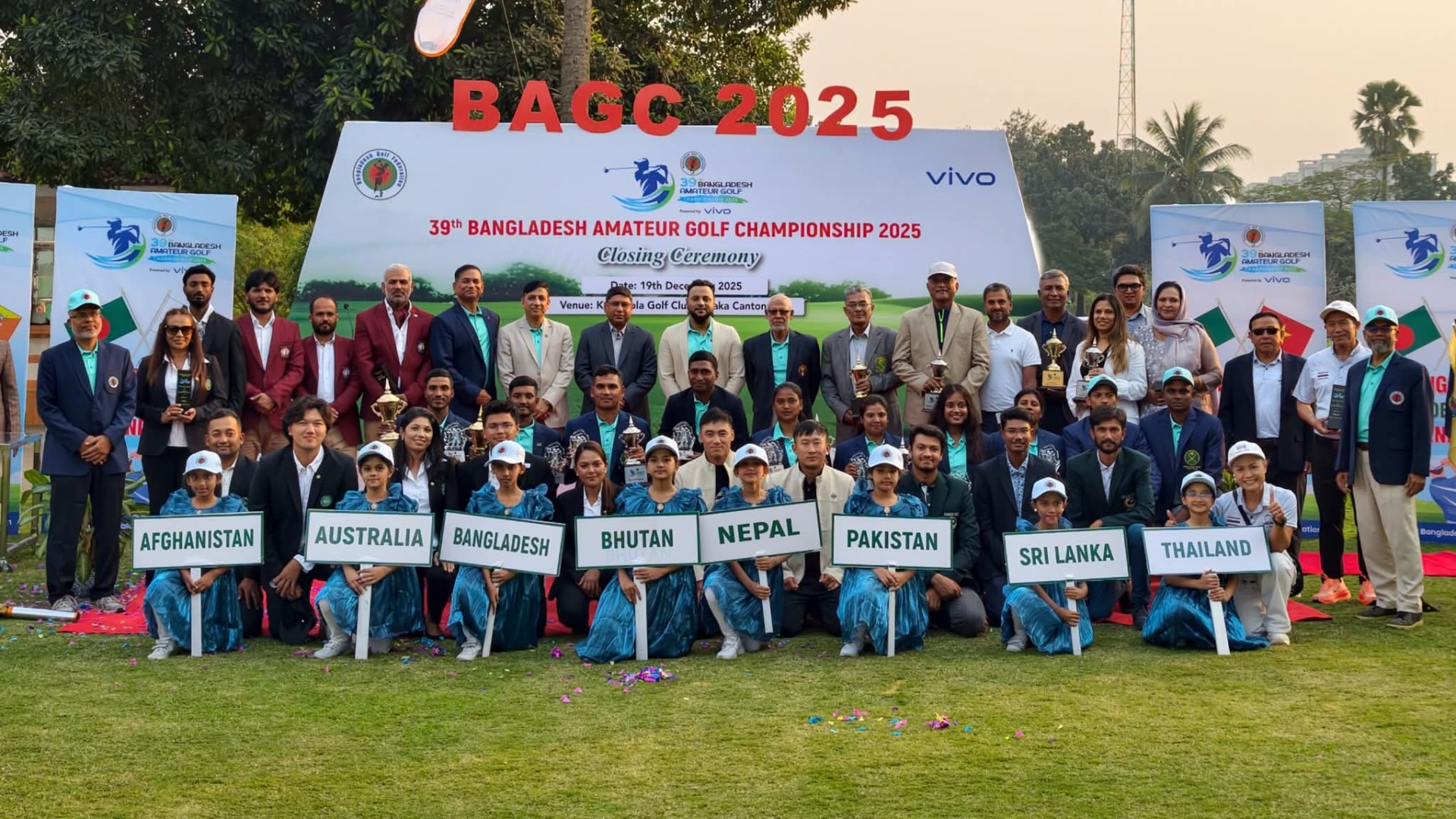
Development is typically structured through a tiered system encompassing Professional, Elite Amateur and Recreational Club Golf.
 For all latest news, follow The Daily Star's Google News channel.
 This segmentation allows for targeted resource allocation: elite players are fast-tracked, while recreational golfers provide the commercial base necessary to sustain infrastructure.
A key element is the focus on the “Golden Window” (ages 8–20), during which technical skills and mental discipline are intensively developed. In Thailand, this is reinforced by a defined “Pro Threshold” at age 20, encouraging early transition into the professional ranks.
Modern golf development also depends on a comprehensive ecosystem that extends beyond players. Successful nations recognise the need for certified officials, skilled administrators, and coaches trained in biomechanics and sports psychology.
A crucial component is the “Dual-Track” development model, which provides an alternative pathway for aspiring professionals. Those who do not reach elite playing standards are guided into specialised fields such as golf course architecture, turf agronomy and club management.
This ensures that investment in player development ultimately strengthens the broader industry.
Conclusion:
Bangladesh’s continued stagnation in both amateur and professional golf stems largely from an outdated management framework that lags behind regional counterparts.
While countries such as India, Nepal and Pakistan have placed players within the top 100 of the World Amateur Golf Ranking (WAGR), Bangladesh remains largely absent from the global stage.
Bridging this gap will require more than identifying talent; it demands a structural shift towards professional, development-driven systems that have already transformed golf into a high-performance industry across South Asia.
**The writer is an executive committee member of Bangladesh Golf Federation
Comments