


The final bow of Lionel Andres Messi

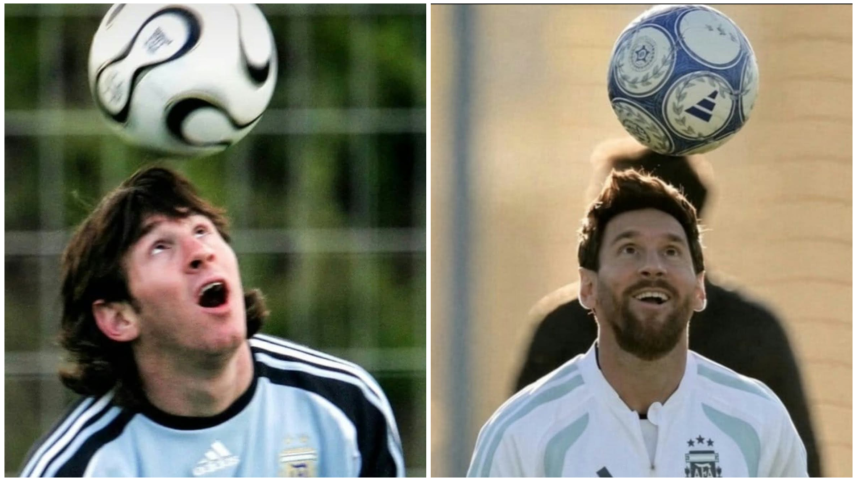
The clock ticks steadily toward 5:00 AM on the 11th. Across Bangladesh, in dim living rooms, packed tea stalls, and bedrooms lit only by the glare of television screens, millions sit in expectant silence.
We have spent over two decades convincing ourselves that time could not touch him -- that the little magician in the sky-blue and white stripes was immune to the relentless ticking of the clock. But as dawn approaches, football is forced to confront the one opponent no genius can outrun: finality.

Lionel Messi will step onto the pitch for Argentina one last time.
If this goodbye feels impossible to process, it is because we have rehearsed it before. We were never good at saying farewell to Messi -- and as it turns out, neither was he.
In the summer of 2016, amidst the stifling heat of New Jersey following a third consecutive final defeat, a tear-stained Messi stood before the world and surrendered to the heartbreak: "My thinking right now, and thinking about it in the locker room, I'm done playing with the national team."
Two years later, amid the chaotic wreckage of Russia 2018, he retreated into the shadows once more. He tried to walk away from the crushing, impossible burden of being Argentina’s savior -- from a nation that demanded he be Diego Maradona, yet punished him for simply being himself.
He could have stayed in Spain, where glory came easy and the press was kind. But love -- especially the tragic, unyielding kind Messi felt for his homeland -- is rarely logical. Every time he tried to say goodbye, he found himself drawn back to Rosario; back to the shirt that felt more like a second skin than a uniform.
What followed his return was the single greatest act of redemption in football history. Messi stopped trying to carry the nation on his back, and instead began walking alongside a new generation of players – a band of brothers who viewed him as a comrade worth dying for on the pitch.
Together, they shattered a 28-year curse at the 2021 Copa América inside the enemy fortress of the Maracanã. They conquered Wembley in the 2022 Finalissima, before delivering their ultimate, transcendent masterpiece in Lusail -- lifting the FIFA World Cup in the greatest match ever played.
The statistics he leaves behind belong in a museum of ancient wonders: an Olympic Gold Medal, two Copa Américas, a Finalissima, and the World Cup. He shattered records that had stood for generations, closing his international chapter with 207 appearances and 125 goals, cementing his status as Argentina's all-time appearance leader, record goalscorer, and most decorated captain.
Yet, as those final 90 minutes unfold early Wednesday morning, the numbers will feel entirely secondary. What Messi truly gave Argentina, and the world, was not just silverware, but collective healing. In a nation plagued by economic hardship and social struggle, he gave 46 million people a reason to pour into the streets, to embrace strangers, and to weep tears of unadulterated joy. He transformed a generation of heartbreak into an era of unshakable pride.
We were never ready to say goodbye. But as the sun rises, all that is left to say is simple: Gracias, Leo.
 For all latest news, follow The Daily Star's Google News channel.
Comments