


Another U-20 early exit: Will BFF learn the lesson?
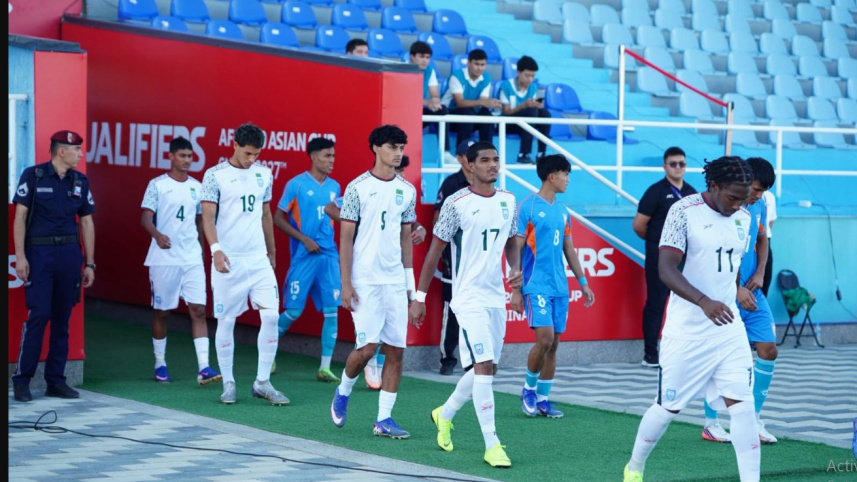
There was hype, but when the dust finally settled, the Bangladesh U-20 football team were left with the same old story -- only this time, with even more chaos and very little to celebrate following an early exit from the AFC U-20 Asian Cup qualifying campaign.
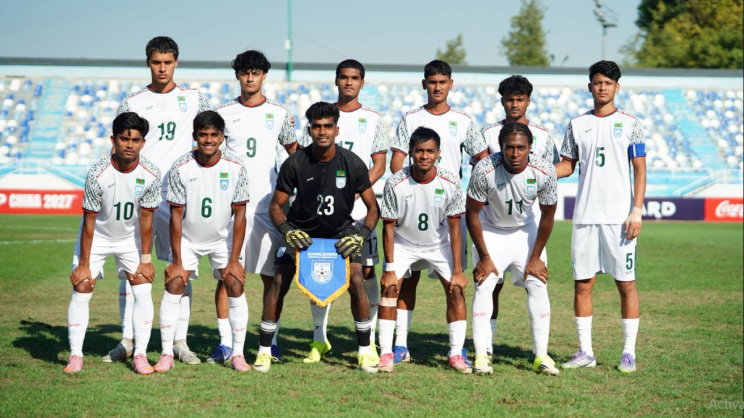
Despite heading into the tournament riding high on their historic SAFF U-20 Championship triumph, the Bangladesh U-20 football team suffered another heartbreaking early exit.

Bolstered by the inclusion of five overseas talents and guided by UEFA Pro License holder Gerard Jones, the Red and Greens harbored strong dreams of ending a 24-year drought and punching their ticket to the finals for the first time since George Kottan led them to their sixth final berth in 2002.
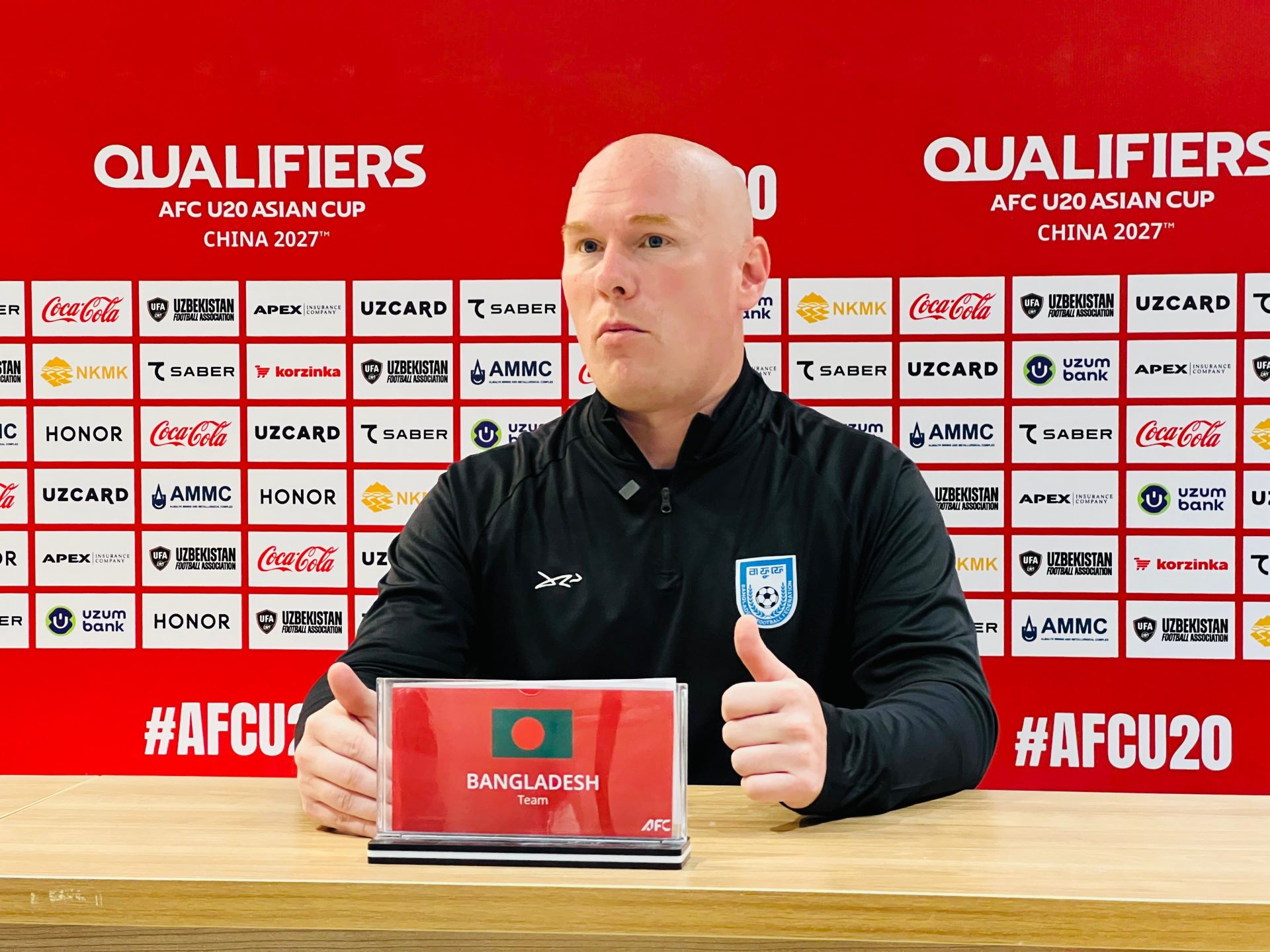
The outcome, however, was anything but--three straight defeats, eight goals conceded, and not a single goal scored. And thus, the lofty ambition quickly turned into another nightmare campaign.
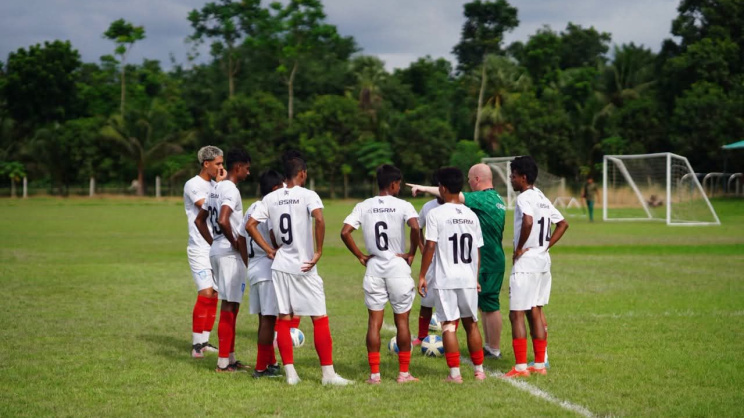
This was, however, not a new story. It was simply another chapter of a script that has been rewritten over and over again for more than two decades.
Foreign tacticians including Nikola Ilievski, Rene Koster, Andrew Ord, Andy Peter Turner, and Paul Smalley have all tried to break the curse. Yet, one after another, they failed to take Bangladesh beyond the group stage.
And it has not been a question of ignoring local coaches either.
Renowned managers such as AKM Maruful Haque, Saiful Bari Titu, Golam Rabbani Choton, Mahabub Hossain Roksy, Shafiqul Islam Manik, and Abu Yousuf have all taken charge.
Still, despite squads filled with promising, top-tier prospects destined for the senior national team, the same problem remains. Bangladesh continues to search for the tactical synergy and international quality needed to make an impact at the continental level.
This time, however, the Gerard Jones episode added an entirely different layer to the familiar disappointment.
The lion's share of the blame for the immediate collapse falls on the erratic and impatient Jones.
Instead of providing tactical discipline and stability, he became the centre of a growing off-the-field storm. There were demands for wage resolutions, heated scuffles with local assistant coaches, a call to the police at the facility, and verbal abuse of the Spanish goalkeeping coach.
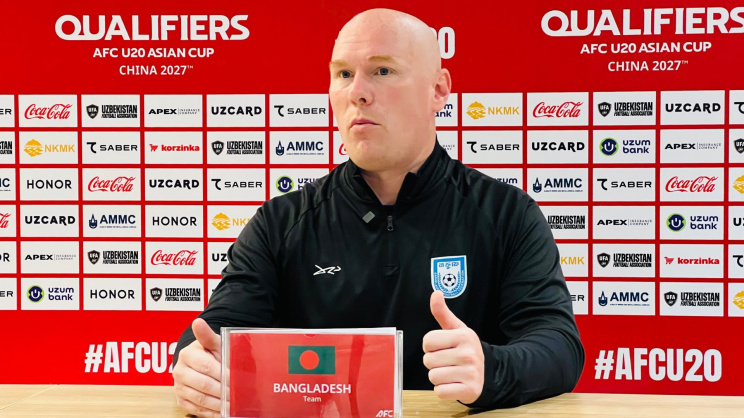
Then came another questionable decision: local assistant coach Atiqur Rahman Meshu was inexplicably sidelined during the opening two matchdays in Uzbekistan.
For a team preparing for a major continental tournament, this was hardly the environment in which a coherent footballing plan could flourish. And the consequences arrived quickly.
Unsettled and leaderless, Bangladesh fell like a house of cards, suffering back-to-back defeats against 2023 champions Uzbekistan and powerhouse Syria.
The BFF eventually terminated Jones immediately following the Syrian debacle. But by then, the damage had already been done.
The tournament was slipping away, the team had lost valuable preparation time, and once again, precious resources and money had been poured down the drain.
Yet here is where the bigger question begins.
It is easy to blame the coach after everything has gone wrong. But the Jones episode also leaves the Bangladesh Football Federation [BFF] with uncomfortable questions of its own.
 For all latest news, follow The Daily Star's Google News channel.
 Why did the intervention come so late?
If the problems were serious enough to eventually cost Jones his job, why were they not addressed earlier?
And perhaps most importantly, how much homework was actually done before appointing the coach in the first place?
A coach's UEFA Pro License and resume may look impressive on paper. But appointment cannot end with a resume check. Character, working methods, training quality, communication, compatibility with the existing coaching structure, and the ability to operate inside a team environment all matter.
If warning signs were visible from the beginning, allowing them to grow into a full-blown crisis represents an institutional failure as much as a coaching failure.
The signs, according to the circumstances surrounding the camp, were there.
On his very first day at the Shams Ul Huda Football Academy in Jashore, Jones created an uncalled-for scene over a minor insect in his room. Yet he was pampered and coddled, allowing his toxic behavior to snowball unchecked.
Insiders in the camp had also long questioned the intensity of his sessions, which failed to elevate the squad's physical fitness to standard match levels over a two-month period.
These are not problems that should require a tournament disaster before they receive attention. But even the Jones episode should not be allowed to hide the deeper footballing problem.
The coaching dysfunction explains part of the catastrophe. It does not explain all of it.
The harder truth is visible on the pitch: Bangladesh continues to suffer from a sheer deficit in fundamental quality, tactical awareness, and split-second decision-making.
Against the polished Uzbek and Syrian talents, the Red and Greens looked leagues apart. That gap is the real alarm bell.
And it is a gap that has been staring Bangladeshi football in the face for decades.
The uncomfortable reality is that by the U-20 stage, most players are already finished products with deeply entrenched habits. Trying to fundamentally re-engineer their game at that point is extremely difficult.
When the pressure rises, players tend to fall back on their baseline instincts.
That is why the BFF now needs to look beyond the next tournament, the next coach, and the next wave of hype.
If the federation genuinely wants to make progress, the focus has to shift toward true youth development: identify juvenile prospects early and build them properly.
Put them under an elite, long-term coaching structure, give that process four to five years, and then start talking seriously about continental qualification.
The BFF must also look in the mirror when it comes to institutional discipline.
No coach, regardless of reputation or résumé, should be allowed to operate beyond accountability. Early warning signs cannot be ignored simply because the federation has already invested time, money, or reputation in an appointment.
The Jones episode should therefore become a lesson--not just about one coach, but about the process that brought him in and the failure to intervene sooner.
Another campaign, another disappointment--and the question remains: will the BFF take the lesson?
Comments