Why folklore study matters in modern Bangladesh?
The history of folklore studies in Bengal spans nearly two hundred years. Interestingly, European missionaries and British civil servants played a more pioneering role in this field than Bengalis themselves. It was largely through their efforts that the two principal branches of Bengali oral tradition—folktales and proverbs—were first documented and preserved. Figures such as William Carey, James Long, William Morton, William McCulloch, Thomas Herbert Lewin, Edward Tuite Dalton, Herbert Hope Risley, and George Abraham Grierson made enduring contributions to the early study of folklore in this region.
Inspired by their work, a growing awareness of folklore began to emerge among Bengali intellectuals. However, it was Rabindranath Tagore who elevated this awareness to a national level. While managing his family estates in Shilaidaha, Shahzadpur, and Patisar, Tagore developed a deep engagement with rural life and oral traditions. He collected folk rhymes (lok-chhora) and later published essays on them under the title Chhelebhulano Chhora (Nursery Rhymes) in journals such as Sadhana and Bangiya Sahitya Parishad Patrika. Tagore did not view folklore merely as a relic of the past; rather, he saw it as the cultural foundation of modern literature and a vital component of national identity. His writings helped shift elite perceptions of folk literature and inspired systematic efforts to collect and study it. The large-scale folklore collection initiatives undertaken by the Bengali Department of Calcutta University were, in many ways, a direct outcome of his influence.
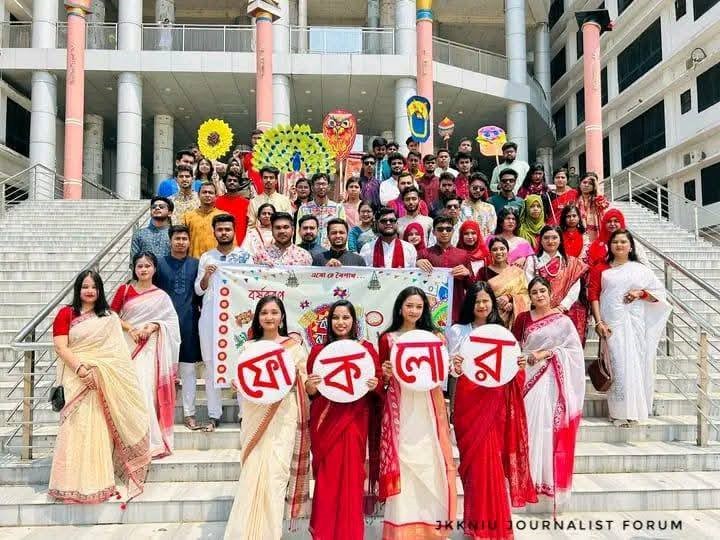
Following the Partition of 1947, the establishment of Bangla Academy in East Bengal (then East Pakistan) marked a new phase in folklore studies. Emerging in the context of the Language Movement, the Academy assumed the responsibility of continuing the legacy of folklore collection with remarkable dedication. This work continued after the independence of Bangladesh in 1971. For many years, Bangla Academy remained the primary institution engaged in collecting diverse forms of folklore. However, a gap gradually emerged between collection and scholarly analysis. Field collectors were often not trained researchers, while academic scholars rarely engaged directly in fieldwork. As a result, much of the early research, largely conducted by scholars with literary backgrounds, focused heavily on textual analysis, often neglecting material culture and emerging urban folklore. Despite these limitations, the richness of Bangladesh’s folklore is undeniable. The American folklorist Alan Dundes once remarked that although Bangladesh may be considered economically poor, from a folklorist’s perspective, it is one of the richest countries in the world. This richness is reflected in its vast diversity: from oral traditions—ballads, myths, riddles, and proverbs—to material culture, including folk art, metalwork, pottery, weaving, and embroidery; from social practices such as festivals, folk medicine, and culinary traditions to modern folklore, encompassing children’s street culture and urban legends.
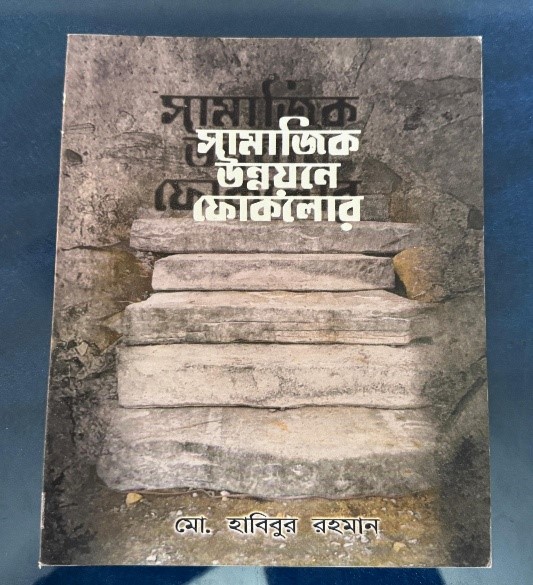
For any discipline to mature, it must move beyond the mere accumulation of data towards systematic analysis and theoretical interpretation. Until the late 1980s, folklore studies in Bangladesh remained largely confined to collection and classification, with limited engagement in scientific analysis. While Bengali scholars have been exploring folklore since the nineteenth century, the field has often developed in an unsystematic manner, without fully adopting the analytical frameworks prevalent in Europe and North America. In contrast, many regions across the world—including Scandinavia, Central and Eastern Europe, and the Americas—have undergone a significant conceptual shift in folklore studies, redefining it as a dynamic and evolving field. In academic discourse, folklore is increasingly recognised as central to understanding national identity. It is not merely a collection of stories but a vital discipline for exploring indigenous knowledge systems and lived cultural experiences. Through folklore, one gains insight into the material, emotional, and spiritual dimensions of human life. Understanding a people’s folklore is essential to understanding their collective identity.
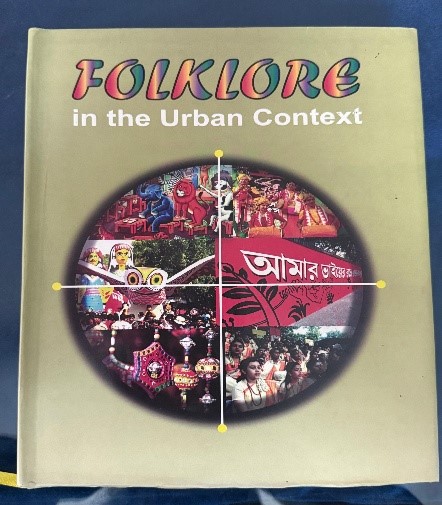
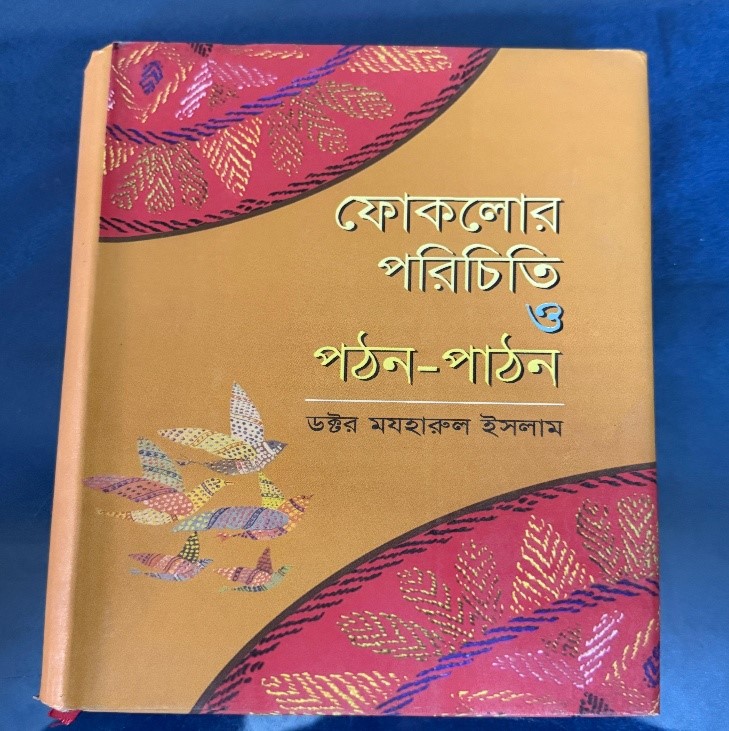
In Bangladesh, several scholars have played key roles in advancing folklore studies. Muhammad Shahidullah contributed significantly to the field during his tenure at the University of Dhaka, particularly through his association with Dinesh Chandra Sen and his engagement with foundational texts such as Mymensingha Gitika. His own writings—such as essays on Moynamotir Gaan, Palli Sahitya, and Amar Kahini Furalo—remain important early contributions to folklore discourse. Mazharul Islam made pioneering contributions through his theoretical and historical works, helping to establish folklore as a respected academic discipline. His influential publications include Lokokathar Porichiti O Lokosahityer Pothon-Pathon, A History of Folktale Collections in India and Pakistan, Folklore: The Pulse of the People, and The Theoretical Study of Folklore, all of which remain highly significant in shaping folklore scholarship in Bangladesh. Similarly, Ashraf Siddiqui further strengthened the discipline through his extensive research and publications, including his doctoral work Bengali Folklore Collections and Studies during the British Period (1800–1947). His major books—Lok Sahitya, Folkloric Bangladesh, Our Folklore—Our Heritage, and Bangladesher Loksahitya Oitijjo—are widely regarded as foundational texts in Bangladeshi folklore studies.
Institutionally, the University of Rajshahi marked a major milestone by formally introducing folklore as an academic discipline in 1998. From the 1998–1999 academic session, the university launched a four-year undergraduate honours programme alongside a one-year MA programme, making it the first institution in Bangladesh to offer structured higher education in folklore. Over time, the discipline has undergone significant transformation. Reflecting contemporary academic and societal needs, the department has recently been renamed the Department of Folklore and Social Development Studies. Its curriculum has expanded beyond the traditional focus on Bengali folk literature to incorporate sociology, cultural history, community development, and field-based research. Today, it offers a multidisciplinary framework that includes oral and performing folkloristics, ethnic and indigenous studies, traditional knowledge systems, gender studies, and applied folklore, with a strong emphasis on fieldwork and community engagement.
The expansion of folklore education did not remain confined to Rajshahi. Jatiya Kabi Kazi Nazrul Islam University, Mymensingh, established its Department of Folklore Studies in 2014, further strengthening the academic foundation of the field. The department places particular emphasis on cultural diversity, music, ethnographic fieldwork, and the contextual study of everyday life. Similarly, Islamic University, Kushtia, introduced its Department of Folklore Studies in 2015 under the Faculty of Social Sciences, with a focus on the academic study, preservation, and promotion of Bangladeshi folklore. Together, these institutions have played a crucial role in transforming folklore from a largely collection-based pursuit into a structured academic discipline. They have contributed to producing trained folklorists equipped not only with theoretical knowledge but also with practical skills in research, documentation, and cultural analysis—thereby significantly advancing the scope and relevance of folklore studies in Bangladesh.
Globally, folklore is far from a marginal discipline. Leading universities in the United States, Canada, Australia, Norway, and Germany continue to teach and research folklore under various interdisciplinary frameworks, including ethnology, cultural anthropology, and heritage studies. Institutions such as Indiana University, the University of Pennsylvania, Memorial University of Newfoundland, and Université Laval have developed strong programmes that combine academic research with community engagement. In an era defined by globalisation, digital transformation, and the Fourth Industrial Revolution, the study of folklore has become more relevant than ever. As global forces increasingly standardise culture, folklore plays a crucial role in preserving and interpreting local identities and traditions. It is also deeply connected to the creative economy, contributing to tourism, media, branding, and cultural industries. Moreover, folklore offers valuable insights for policymaking, sustainable development, and environmental awareness through its embedded traditional knowledge systems.
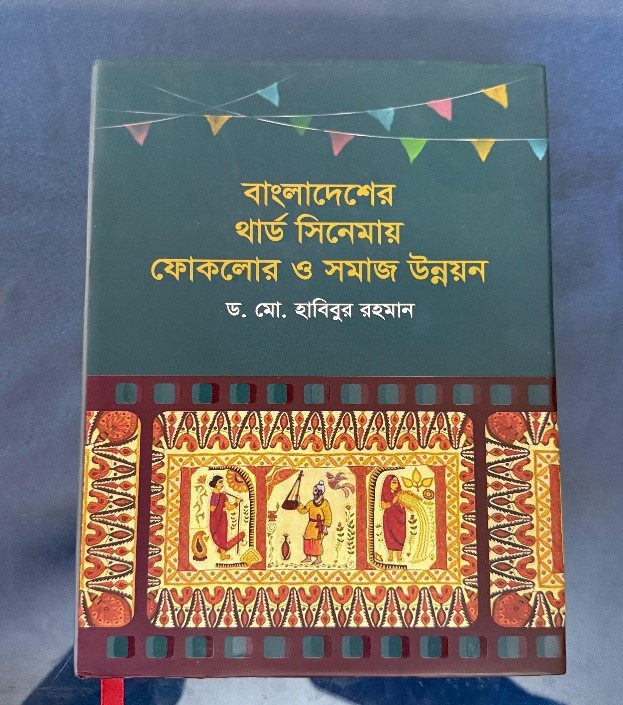
Actually, a folklore graduate, therefore, is not merely a student of the past but an interpreter of living traditions. In the economic sphere, they can help connect rural artisans and cultural practitioners to broader markets through documentation, branding, and cultural entrepreneurship. In tourism, they can design authentic and community-based cultural experiences. In social development, they can use folk media to communicate messages about health, education, and social change in culturally resonant ways. Folklore also has significant potential in education, making learning more relevant and culturally grounded. In the digital age, it offers opportunities for storytelling, content creation, and cultural preservation through modern media platforms. Furthermore, traditional ecological knowledge embedded in folklore can contribute to environmental sustainability and climate awareness.
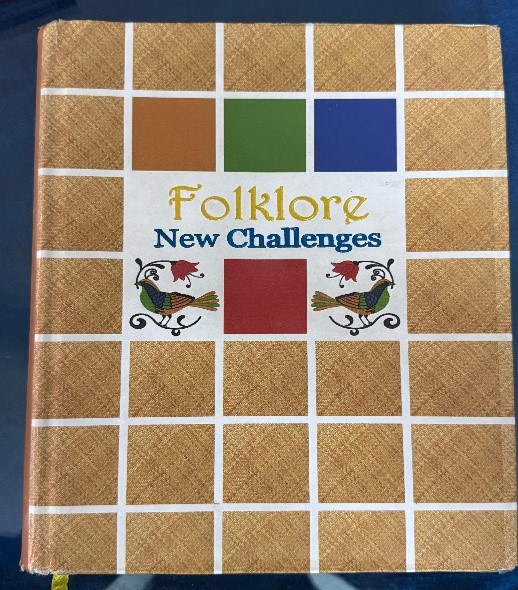
To strengthen folklore studies in Bangladesh, several strategic initiatives are necessary. These include incorporating folklore into public service examinations, expanding academic departments, recruiting trained folklorists across sectors, and establishing a National Folklore Institute with a central archive and regional branches. A dedicated Folklore Fund would further support research and preservation efforts. With proper institutional support, Bangladesh can promote its rich cultural heritage on a global stage. To this end, it is essential that institutions such as the Bangladesh Shilpakala Academy, the Bangladesh National Museum, the Bangladesh Small and Cottage Industries Corporation, and the Asiatic Society of Bangladesh undertake dedicated research- and publication-oriented projects to advance the study and practice of folklore.
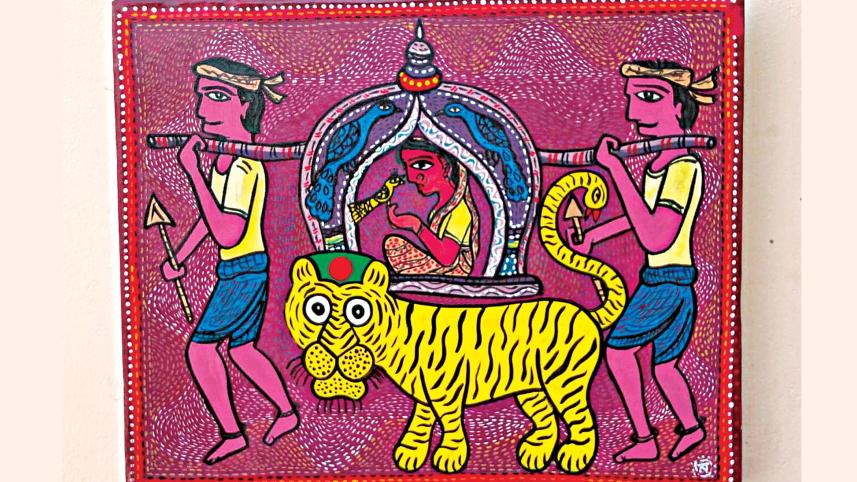
We have to remember that folklore is not a backward-looking discipline; it is a forward-looking tool for understanding people, culture, and change. In a rapidly evolving world, it offers grounded, culturally sensitive approaches to development, communication, and identity formation. For Bangladesh—a country deeply rooted in tradition yet navigating modern challenges—folklore can serve as a bridge between heritage and progress. Recognising and investing in this field is not merely an academic choice; it is a national imperative for sustainable and inclusive development.
Dr. Md Habibur Rahman is a Professor in the Department of Folklore and Social Development Studies, University of Rajshahi and a former scholar at New York University, USA.
Send your articles for Slow Reads to slowreads@thedailystar.net. Check out our submission guidelines for details.
Tajuddin Ahmad: A life for Bangladesh
Interactive / The haor crisis explained
Interactive: Bangladesh Labour History · 1881 - 2026 / Fight for Justice
Justice at work for all
The Price of Labour
Interactive / How many more lives before workplaces become safe?

The expansion of wage labour and the message of May Day
In conversation with Richard Wolff / Can workers seize the opportunity as Western capitalism declines?