Pay now or pay forever: What should Bangladesh's energy budget priorities be?

Bangladesh stands at a crossroads: a mounting subsidy burden to ensure necessary electricity and fuel supplies today, and a strategic choice about energy independence for tomorrow. In the upcoming budget proposal, Petrobangla now seeks Tk 27,000 crore to shore up LNG supplies for the first six months of the fiscal year. The annual requirement could exceed Tk 50 thousand crore if current market conditions persist. The Power Division is asking for about Tk 59.45 thousand crore for costly power purchases and imports in fiscal year 2026–27. These sums expose a grim truth: our import-dependent power and energy system imports not only fuel but also price risk, supply shocks, and fiscal instability.
The macroeconomic reality is stark. Global LNG and oil prices remain elevated and volatile, the taka has depreciated against the dollar, and key long-term suppliers have invoked force majeure amid geopolitical tensions. The result is that Petrobangla and BPDB are pushed into expensive spot-market purchases, rental and quick-rental plants impose significant capacity-charge costs on the state, and subsidies balloon merely to prevent rationing during the hot months when demand peaks. Policymakers therefore face a painful, immediate trade-off: either absorb massive short-term fiscal transfers or impose rationing and accept economic disruption. Neither option is desirable.
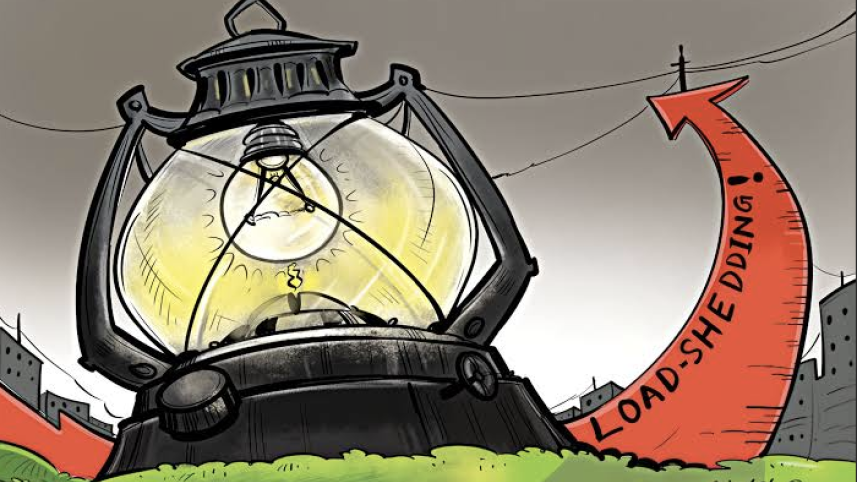
The government has already chosen the undesirable path. The recent electricity tariff hike has already begun to bite ordinary people. Retail prices rose by 16.68%, from Tk 9.11 to Tk 10.63 per kWh. Consumers now pay more, with mid- and high-use households seeing bills up to 19% higher. The rise comes as fuel, LPG, and other commodity prices have also jumped following the US–Israel–Iran conflict, squeezing household budgets. Small businesses, farms (with irrigation costs up 15%), hospitals, and industries face steep cost increases, too. This price hike will add to already high inflation and hit low-income people hardest, especially since it was approved quickly without a formal economic impact assessment and while longstanding inefficiencies and capacity-charge issues remain unaddressed.
A well-planned budget should do both: provide a tightly targeted short-term solution to ensure supply and protect economic activity, while funding a medium-term strategic shift to reduce dependency and fiscal strain. Therefore, the government must establish immediate and medium-term budget priorities and consider the following measures.
Avoid further lock-in to imported LNG infrastructure
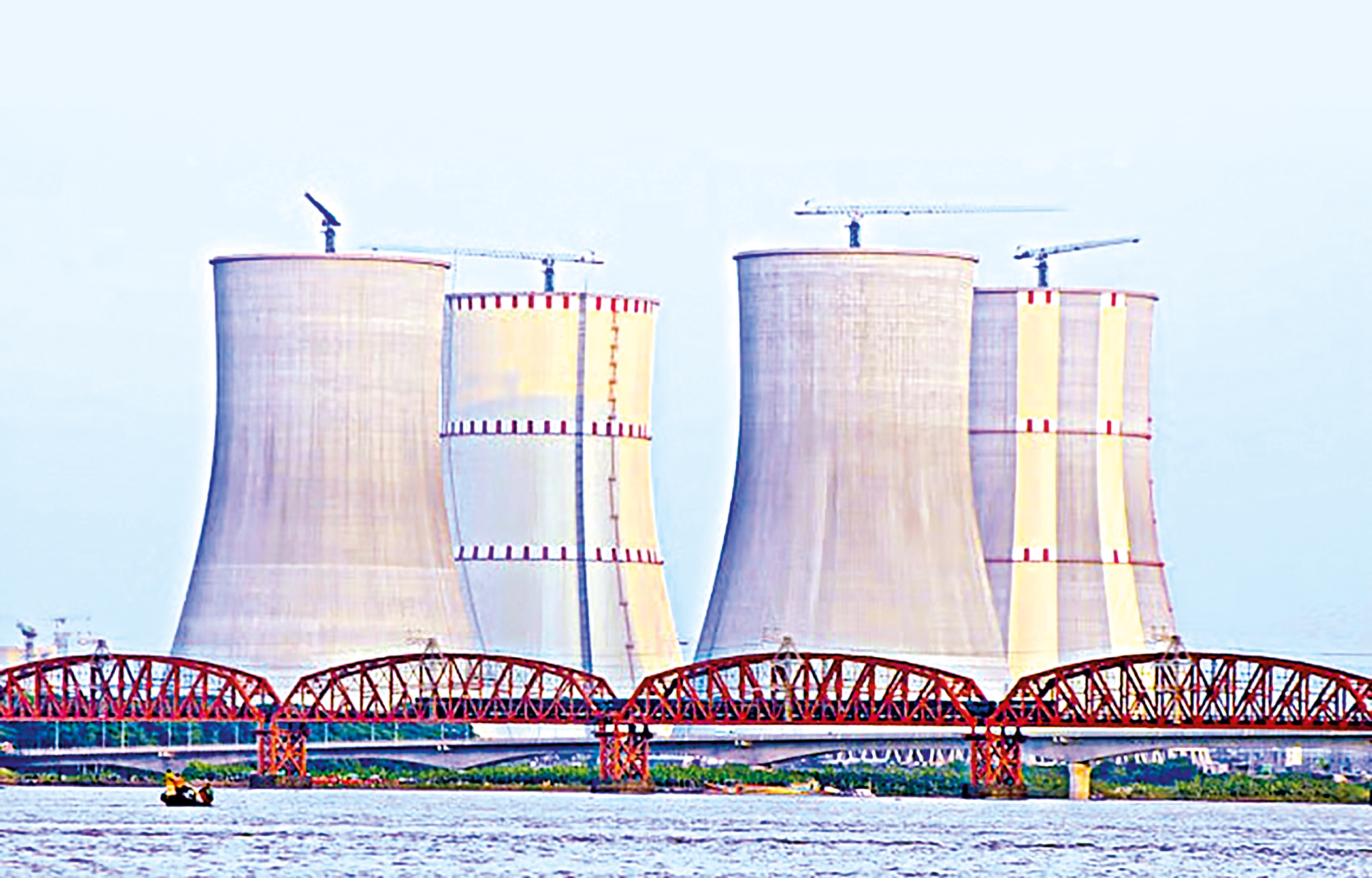
The government should refrain from allocating funds to build new LNG terminals that would deepen long-term import dependence. New import terminals magnify exposure to global price shocks and institutionalise recurring subsidy demands. Unless accompanied by a credible plan to reduce imports over time, such projects risk converting a temporary crisis into a permanent fiscal drain.
Keep domestic gas resources under national control
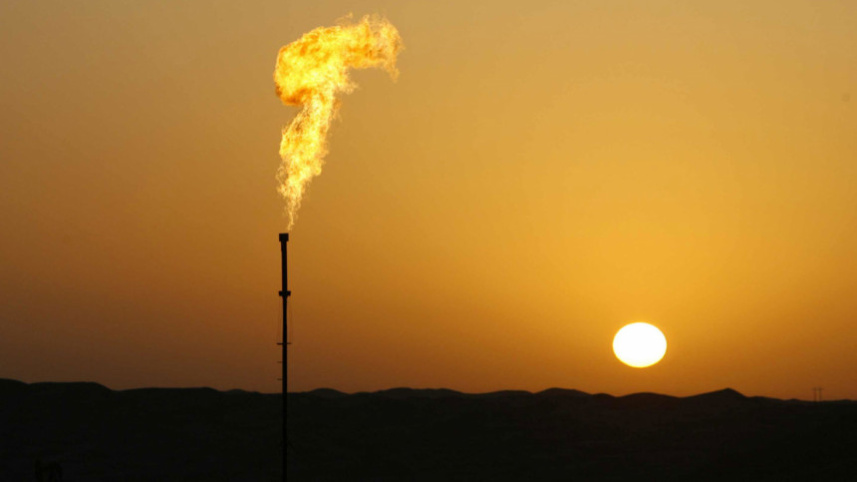
Bangladesh’s onshore and offshore gas resources remain underexploited. The budget must prioritise meaningful capital and capacity funding for BAPEX to lead domestic exploration and production. Where offshore expertise or equipment is required, foreign firms should serve primarily in consultancy or infrastructure roles rather than through production-sharing contracts (PSCs), which effectively require the country to buy back its own gas at commercial rates, leaving the fiscal burden largely unchanged. The government should also accelerate pipeline investments, notably connecting Bhola and other productive fields to Dhaka and industrial zones, so that discovered gas can be used domestically to reduce dependence on expensive imports.
Aggressively renegotiate PPAs, capacity charges, and rental contracts
A major and immediate lever for relieving fiscal pressure is to cancel some power purchase agreements for power plants that remain largely underutilised, yet continue to incur costly capacity-charge payments. Where this is not possible, the government should actively renegotiate power purchase agreements (PPAs) with independent power producers (IPPs) and rental and quick-rental plants. Capacity charges have accumulated into massive liabilities for BPDB, constraining its ability to import fuel on time and undermining the sector’s creditworthiness. Practical renegotiation tactics—such as swapping capacity payments for take-and-pay contracts or conducting financial audits—can materially reduce outstanding liabilities, free fiscal space, and restore BPDB’s balance-sheet health.
Prioritise rooftop solar and enable finance
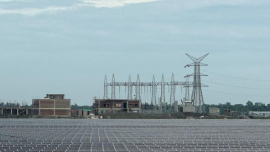
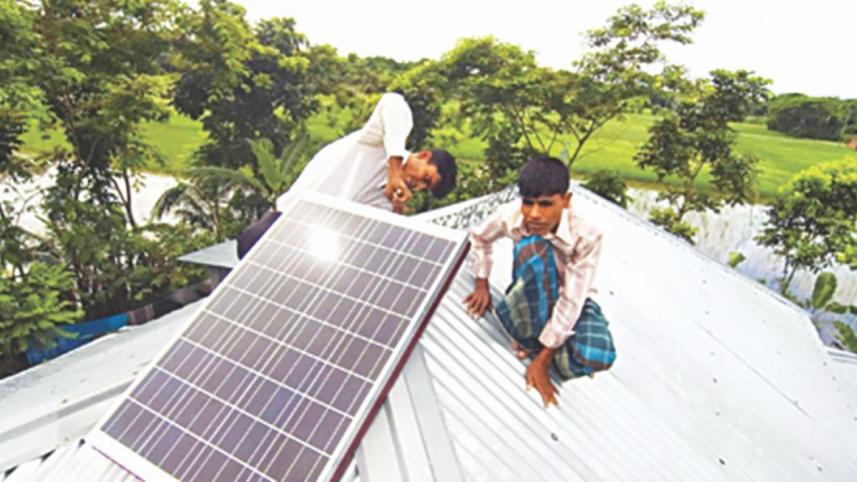
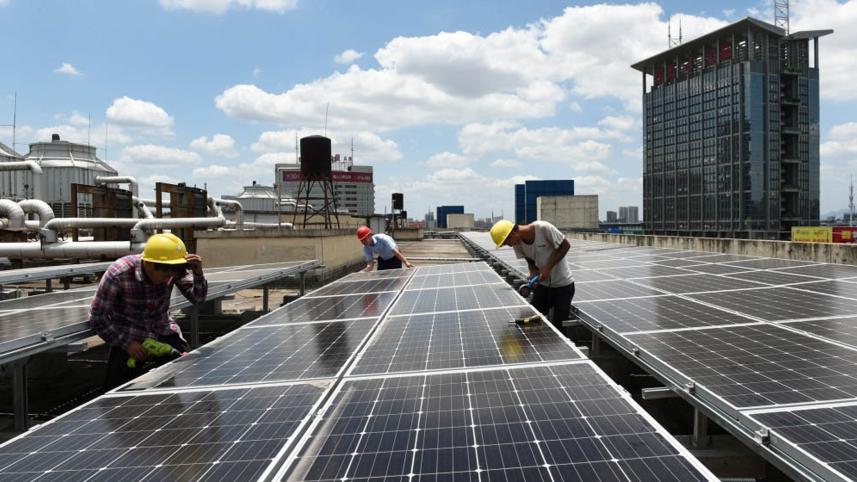
Given Bangladesh’s land constraints, rooftop solar offers the most immediate and scalable route to domestic, low-cost generation. The budget should extend targeted tax exemptions on imported solar components where they demonstrably lower production costs for rooftop systems. Critically, the PDB must provide government-backed offtake guarantees for rooftop generation so that entrepreneurs can secure bank finance. Parallel measures—subsidised loans, a time-bound feed-in tariff policy, credit guarantees, and streamlined permitting—will accelerate adoption while protecting public funds.
Invest in agro-photovoltaics (APV) R&D and pilot projects
Bangladesh should explore agro-photovoltaic systems tailored to local weather patterns, soil types, indigenous shade-tolerant crop varieties, and climatic conditions. In a land-scarce nation like Bangladesh, APV offers multiple uses for the same land: food production, irrigation, electricity generation, cold storage, and crop drying. The budget should fund a set of pilot projects and research programmes to test APV configurations, crop compatibility, shading regimes, and low-cost mounting solutions using domestic materials. Successful pilots could create localised manufacturing opportunities, reduce reliance on imports for mounting structures, and lower system costs, opening a pathway to integrated rural, agro-based livelihoods and energy production.
Phase renewables sensibly; invest in the grid and storage
A transition to renewables cannot be anarchic. The budget should fund a phased roadmap: rapid scale-up of rooftop solar and distributed generation, selective utility-scale projects in less constrained zones, and targeted investment in grid upgrades and storage to accommodate variable generation. Budgetary allocations for smart-grid infrastructure, demand-response programmes, and battery storage incentives will be necessary to maintain system stability as renewables grow. To encourage investment in merchant power plants, the government must strengthen the Palli Bidyut Samity distribution network to ensure an uninterrupted electricity supply in rural areas where such plants may be located. The government may also consider increasing battery storage capacity during the daytime to help stabilise the grid as renewable capacity expands in the future. This would also support electric-vehicle battery charging and ensure reliable electricity availability.
Protect fiscal space with a medium-term consolidation plan
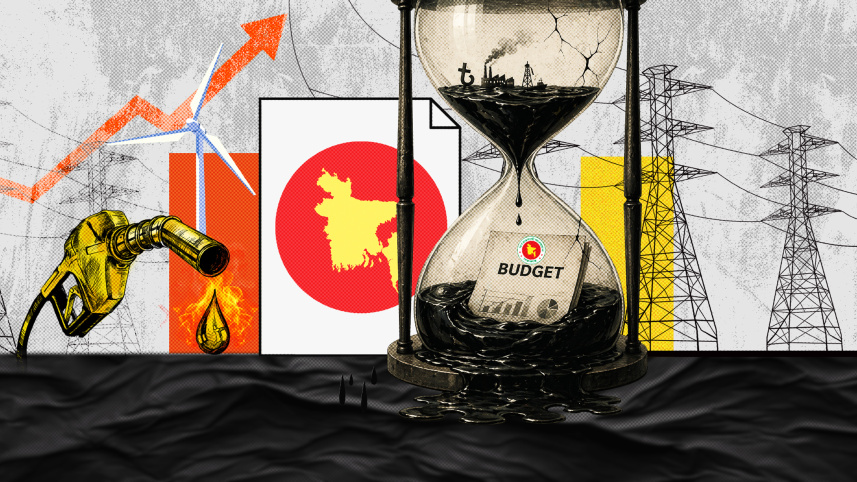
Any short-term subsidy package, whether to support LNG purchases or bridge BPDB payments, must be conditional on a publicly disclosed medium-term consolidation plan. This plan should set milestones for renegotiation outcomes, increases in domestic production, additions to renewable capacity, and subsidy rationalisation, tied to budgetary triggers. Conditional, time-bound assistance preserves social stability now while committing to structural change.
Why this combination matters
Subsidies on the current scale crowd out public investment that could build long-term resilience—pipelines, domestic extraction capability, grid upgrades, and enabling finance for distributed solar and APV. Yet allowing immediate fiscal pressures to cascade into energy shortfalls would cripple industry, threaten food supply chains, and impose significant social costs. The budget must therefore act as both an emergency stabiliser and a strategic instrument to reduce future vulnerabilities.
A final word
Energy policy is strategic national policy. The new budget must prioritise: (a) strengthening national control over gas extraction and infrastructure; (b) avoiding further lock-in to imported LNG terminals; (c) renegotiating costly PPAs and capacity-charge obligations; (d) catalysing rooftop solar and agro-photovoltaic R&D and pilot projects; and (e) building institutional capacity so that incentives work in practice. If the government acts decisively and coherently across these fronts, the current crisis can be converted into a pathway towards energy sovereignty, reduced subsidy dependence, and fiscal sustainability. While securing short-term supply, we must remember the long-term cost of today’s inaction. If we do not invest now, we will have to keep paying for expensive fuel indefinitely.
Dr Moshahida Sultana is an Associate Professor of Economics in the Department of Accounting at the University of Dhaka and an energy researcher. She can be reached at moshahida@du.ac.bd
Send your articles for Slow Reads to slowreads@thedailystar.net. Check out our submission guidelines for details.

Can Bangladesh bring its hilsa back?
Can the new strategy achieve Bangladesh’s renewable energy targets?

André Wink speaks / What we get wrong about the Indo-Islamic world
Bengali Muslims and the ghosts of India's citizenship politics
Bangladesh’s solar growth: Will the incentives be enough?

The missing link in Bangladesh's innovation economy
Dhaka’s battery rickshaw problem is economic, not just about traffic

The staircase between our mothers and care
Is Bangladesh prepared for the next food shock?