


Transitioning from Bank Finance to Capital Market Finance
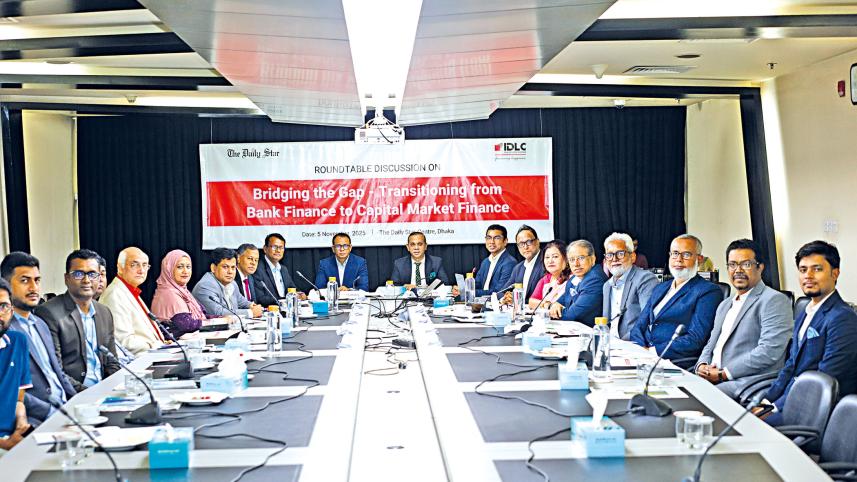
A roundtable titled "Bridging the Gap: Transitioning from Bank Finance to Capital Market Finance" was held on 05 November 2025, at The Daily Star Centre, Dhaka. Jointly organised by IDLC Investment Limited and The Daily Star, the dialogue brought together policymakers from the country's financial sector, representatives from regulatory bodies, bank representatives, leaders from the banking and corporate world, and distinguished professionals from the capital market. The Roundtable aimed at deliberating upon potential reduction of Bangladesh's dependency on banks and building a strong, long-term, and investment-capable capital market.

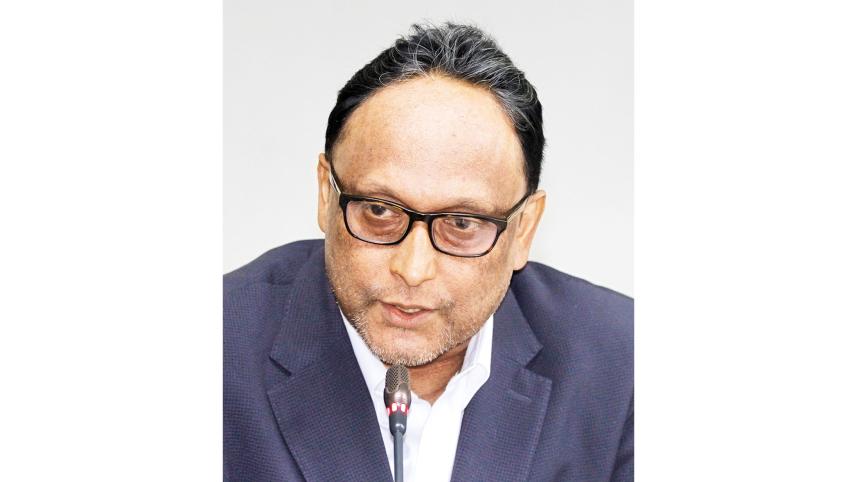
Mesbah Uddin Ahmed
Managing Director of IDLC Investment Limited
Keynote Presenter
Bangladesh continues to rely overwhelmingly on bank financing, while equity financing remains largely untapped. According to a World Bank survey, only 0.5% of Bangladeshi businesses consider equity as a funding option, compared to 6.9% in India. Our capital market remains shallow, with market capitalisation at just 7.3% of GDP—far below regional peers such as Vietnam (51%) and India (133%). At the same time, fresh industrial term-loan disbursement has surged from Tk 68,000 crore in 2021 to Tk 1.06 lakh crore in 2024, whereas capital-market fund-raising (IPOs and rights) has collapsed from Tk 1,610 crore in 2021 to only Tk 302 crore in 2025.
This imbalance has left many firms heavily leveraged, facing rising interest burdens and liquidity stress. Banks, too, are under pressure, with Tk 3.45 trillion in non-performing loans and a capital shortfall of Tk 1.55 lakh crore. Easy access to bank credit—combined with governance weaknesses—has encouraged businesses to depend disproportionately on debt while avoiding the equity market. At the same time, rigid valuation rules, lengthy listing procedures, limited tax incentives, and poor market perception have further discouraged companies from coming to the market.
To change this trajectory, greater regulatory flexibility is essential. Streamlined approval processes, digitalised documentation, and meaningful incentives—especially for priority sectors such as garments and agro-industries—can help attract more issuers. Rebuilding investor confidence must remain a policy priority. In parallel, Bangladesh Bank must ensure stronger supervision and prudent leverage across the banking sector to reduce systemic risks.
Despite the challenges, investor appetite is clearly strong: recent IPOs have been oversubscribed multiple times. If we address regulatory bottlenecks and strengthen governance, both the equity and bond markets can expand substantially. This will reduce the economy's overdependence on banks and help build a healthier, more balanced financial system for the future.
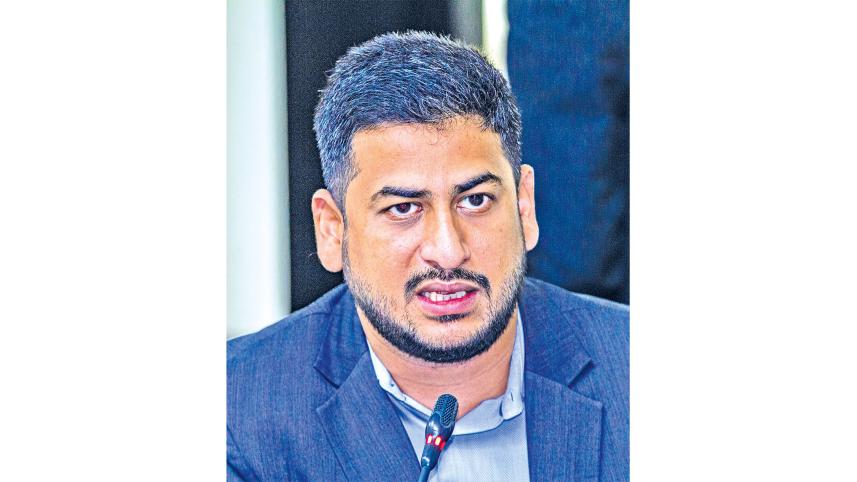
Rashiduzzaman CFA, FRM
Head of Investment Banking, IDLC Investments
IDLC Investments has reviewed the potential implications of the new BSEC guidelines. While the requirement for stock exchanges to provide feedback within 45–60 days may expedite IPO approvals, it also places significant pressure on exchange capacity as they assume greater responsibilities.
The proposed restriction on using IPO proceeds for loan repayment may deter many strong and mature companies from seeking listings. These businesses often pursue IPOs not for new projects, but for strategic reasons such as improving capital structure, strengthening governance, or enhancing brand visibility. Limiting eligibility only to firms with new investment projects would reduce the pipeline of potential issuers, further shrinking the supply of quality stocks in an already shallow market.
Although the guideline adopts global valuation practices, the NAV-based pricing cap disadvantages asset-light sectors such as technology and services. Additionally, requiring indicative prices from 75 institutional investors may discourage companies from using the book-building method, while the fixed-price method's limit of BDT 100 crore post-IPO capital effectively shuts out mid- to large-sized firms. The proposed 180-day lock-in for institutional investors adds another layer of deterrence.
To create a more enabling environment and broaden the issuer base, we recommend introducing a true Dutch auction mechanism for valuation, which could address several of the challenges currently observed.
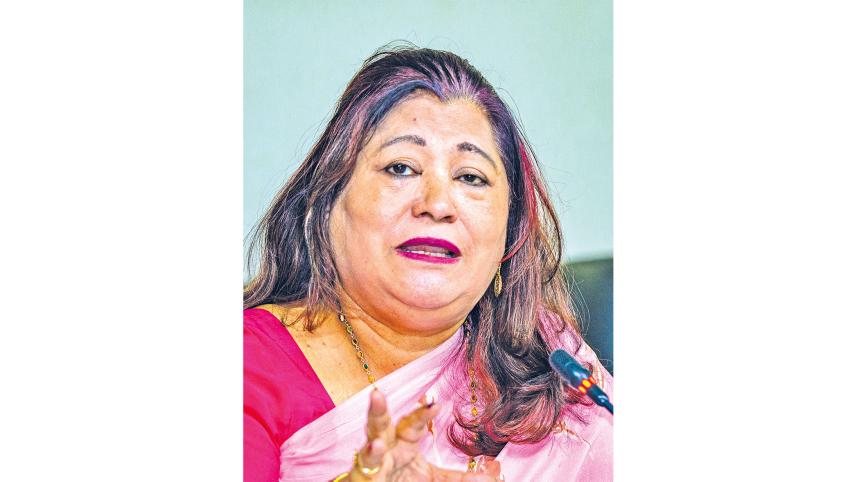
Rupali Haque Chowdhury
President, Bangladesh Association of Publicly Listed Companies (BAPLC)
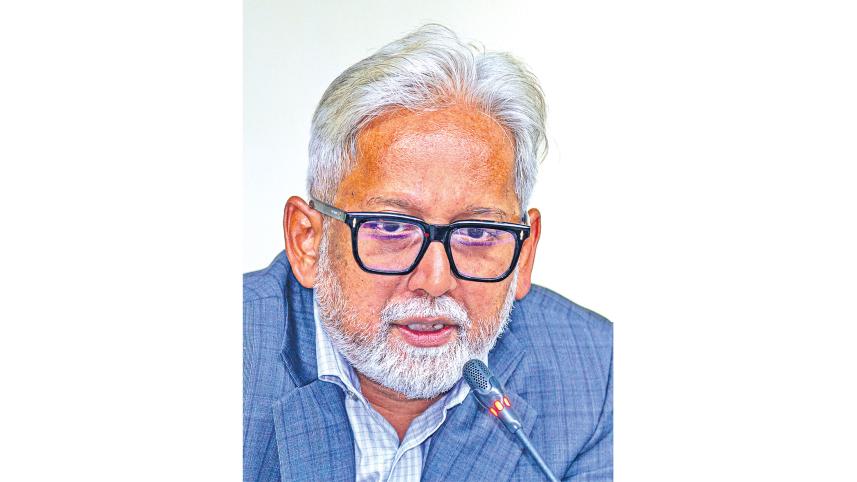
I believe one of the key barriers to market growth lies in the lengthy and cumbersome approval process at the Securities and Exchange Commission, which must be streamlined. Many companies remain unprepared for listing due to limited compliance capacity, weak governance, and informal family-based management structures. Our investment-to-GDP ratio has fallen to just 3.67%, the lowest in recent years, reflecting deep investor uncertainty. Moreover, corruption, information leakage, and inconsistent regulations between bodies like the BSEC, NBR, and IMF-driven tax authorities severely erode business confidence. For instance, multinational investors such as Grameenphone have faced policy reversals, discouraging future investment. Automation, digital tracking of files, and a single financial reporting system are critical to ensuring transparency and accountability. If we fail to create a predictable regulatory environment, good companies will stay away. Sustainable growth demands consistency, fairness, and an ecosystem where entrepreneurs can thrive and employment can expand.
Reza Uddin Ahmad
Executive Director, Finance and Investments, City Group
I have spent decades in corporate banking and investment, and now at City Group, I am guiding our transition toward greater financial transparency and capital market readiness. Following the passing of our founder in 2023, we have diversified into six to seven new industries within the country's emerging economic zones. However, over the past two years, the taka has devalued by nearly 45%, causing significant foreign exchange losses. Banks and NBFIs are facing capital erosion, shrinking their single borrower exposure limits and reducing overall lending capacity. Recognising this, we are preparing for listing, private equity partnerships, and international investments. Our focus now is on strong governance: independent boards, quarterly reporting, and environmental compliance to align with global standards. I believe that as the availability of bank financing declines, the future of corporate growth in Bangladesh will depend on structured reforms, transparency, and active participation in the capital market.
 For all latest news, follow The Daily Star's Google News channel.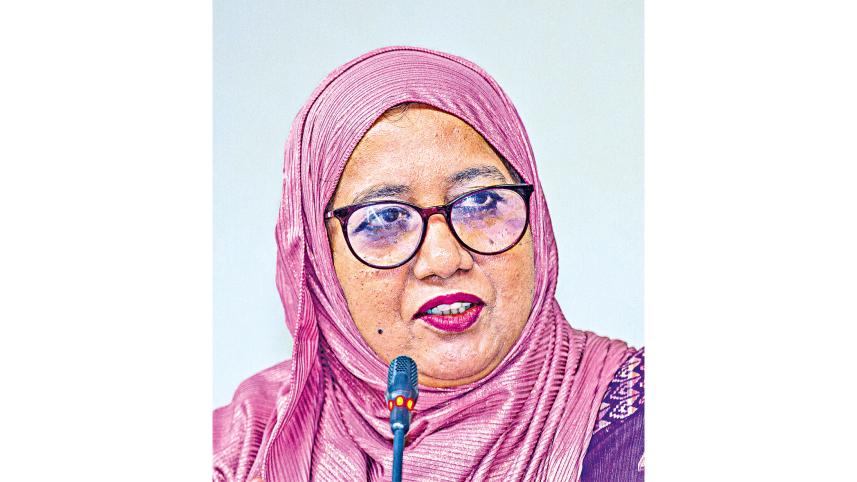
Mazeda Khatun
President, Bangladesh Merchant Bankers Association (BMBA)
As a representative of the Merchant Bankers' Association, I believe our merchant banking activities have become far too narrow, limited mostly to IPO management. Merchant banks should play a much broader role in covering valuation, mergers and acquisitions, capital structuring, and advisory services that help companies prepare for listing. Without strengthening this supply side of the capital market, reliance on bank financing will continue, worsening issues like non-performing loans (NPLs). In the past two years, no new IPOs have been launched, leaving many merchant banks with idle capacity. I strongly advocate that Bangladesh Bank, BSEC, and FID jointly develop a framework to integrate merchant banks into national financial planning particularly in financing of national projects, budget formulation, and bond/Sukuk issuance. Proper coordination, automation, and strategic planning can ensure fair valuation and restore investor confidence. Strengthening merchant banks is essential to reduce systemic pressure on banks and build a balanced, sustainable financial ecosystem.
Shahidul Islam, CFA
CEO, VIPB Asset Management Company
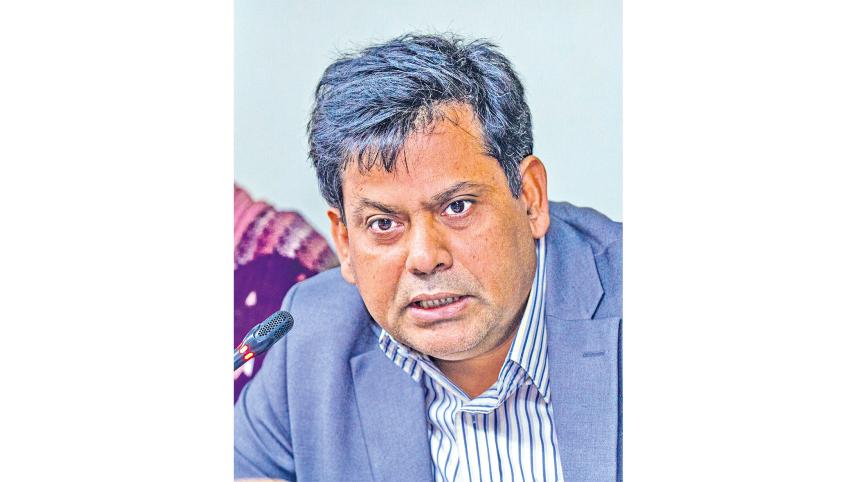
As an investor, I have observed that although Bangladesh has around 400 listed companies, professional and foreign investors seriously consider only 25 to 30 of them. Many listed entities lack transparency, sound governance, or even genuine corporate structure. In our economy, companies often take "corporate" loans backed by personal guarantees, revealing a deep structural flaw. These are not true corporations. The banking system itself suffers from weak enforcement, wilful defaults, and the absence of accountability. History shows this pattern: in the late 1990s, a major conglomerate defaulted on its debenture obligations, yet later raised over Tk 3,000 crore again, without consequence. Unless financial statements become credible and corporate laws are enforced, neither banking nor capital markets can function properly. We must restore integrity, ensure that false reporting is punished, and demand truthful disclosure. Only then will genuine companies emerge and sustainable capital market growth become possible.
Saiful Islam
President of the Dhaka Stock Exchange Brokers Association
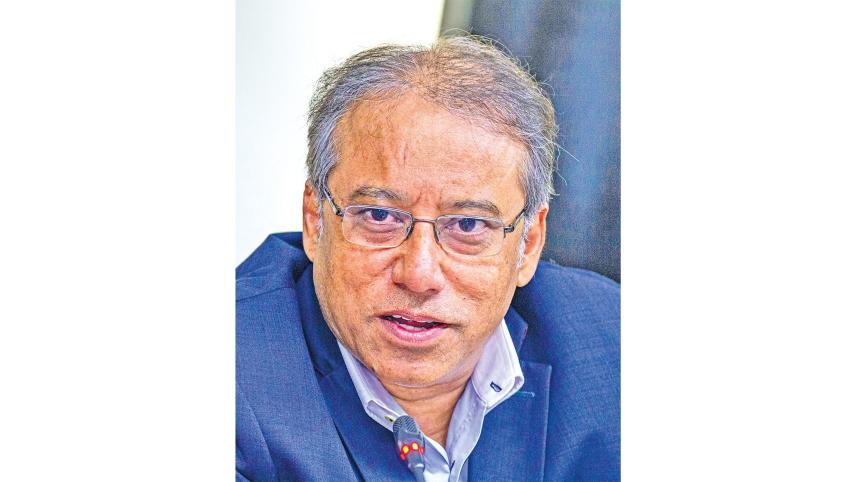
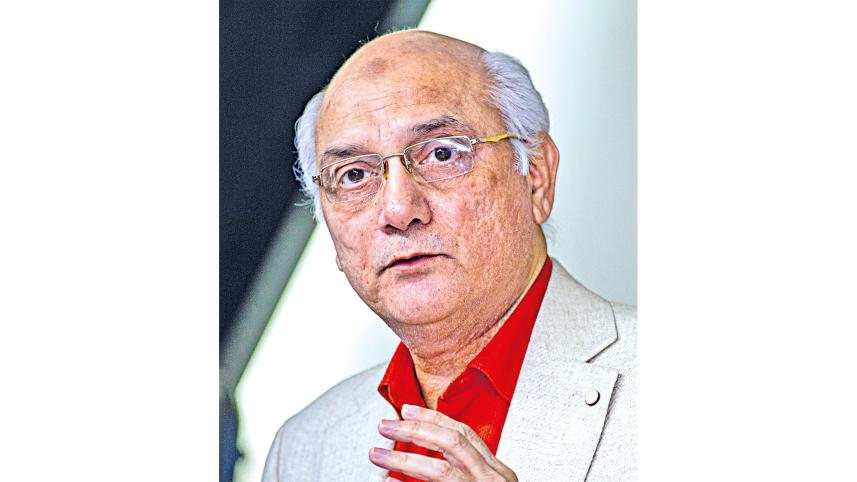
I believe that inconsistent tax policies continue to undermine investor confidence and market stability. When the government reverses tax assurances, for instance, shifting rates from 37% to 42%, it directly hurts minority shareholders and erodes credibility. The banking sector currently provides nearly 98% of total financing, while the capital market contributes only 2%, showing how dependent we remain on debt. Our bond market has stagnated, with most bonds being inter-bank cross-financing, and the mutual fund industry has failed to mature. Without strengthening institutional investors and asset managers, genuine price discovery cannot occur. Meanwhile, many banks face capital shortfalls yet cannot turn to an underdeveloped capital market for recapitalisation. I strongly advocate for a five-to-seven-year transition framework, improved oversight of unlisted companies, and coordinated reform between BSEC, Bangladesh Bank, and NBR to ensure sustainable financial stability.
Ahmed Rashid Lali
Former President, DSE Brokers Association
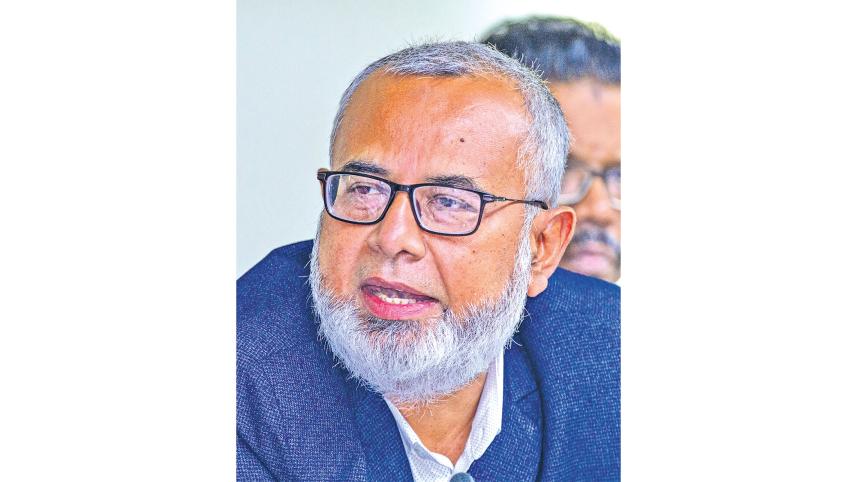
I see the primary barrier to transitioning from bank financing to the equity market as the speed of access to funds. Entrepreneurs can get financing from banks within 15 to 30 days, but listing on the stock market takes 1–2 years, discouraging participation despite lower equity costs. Under the new law, the Dhaka Stock Exchange is given 45–60 days for draft prospectus review, but this can be shortened using a panel of seven chartered accountants, as we successfully demonstrated during my tenure on the board. By streamlining queries and consolidating documentation, the process can realistically be completed in 45–60 days. Another obstacle is asset registration: for instance, land bought 25 years ago for 500,000 taka in owner's name, now valued at 20 crore, must be formally transferred to the company to satisfy BSEC rules, adding cost and complexity. Without addressing these structural and procedural issues, the transition to the capital market remains stalled.
Sabbir Ahmed, FCA
Partner, Hoda Vasi Chowdhury & Co
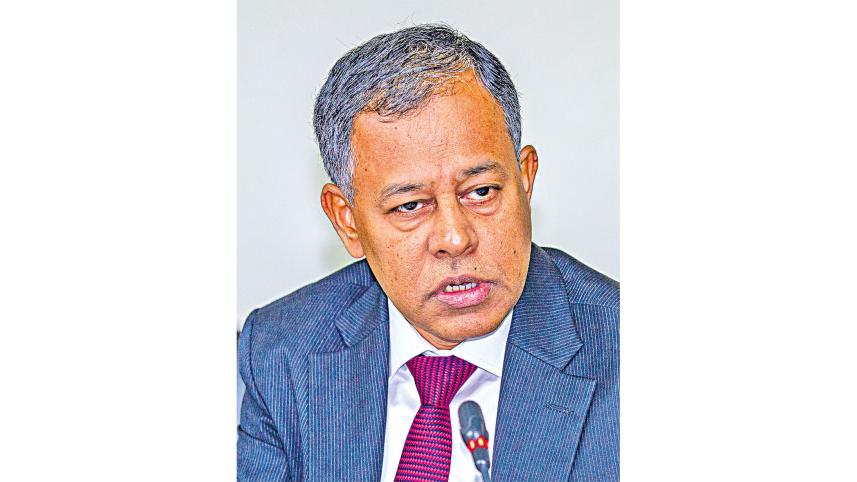
I represent the chartered accountant community, and while allegations of fabricated financial statements in the listing process have surfaced, ICAB's Document Verification System (DVS), implemented four years ago, ensures each statement has a unique DVC code, allowing verification of auditors, revenue, and net assets. Our stock market is heavily retail-driven, with institutional investment almost negligible, and many first-generation business owners maintain a sole proprietorship mind-set even in thousand-crore turnover companies, which weakens internal controls and governance. Continuous disclosure obligations deter potential multinational investors, while compliant companies face effective tax rates over 40% due to minimum tax. Policy inconsistency, particularly from the NBR, and the banking system's reliance on personal guarantees instead of verified financial statements further discourage capital market participation, underscoring the need for stronger discipline and systemic reform.
Shaheen Iqbal, CFA
Deputy Managing Director, Brac Bank PLC
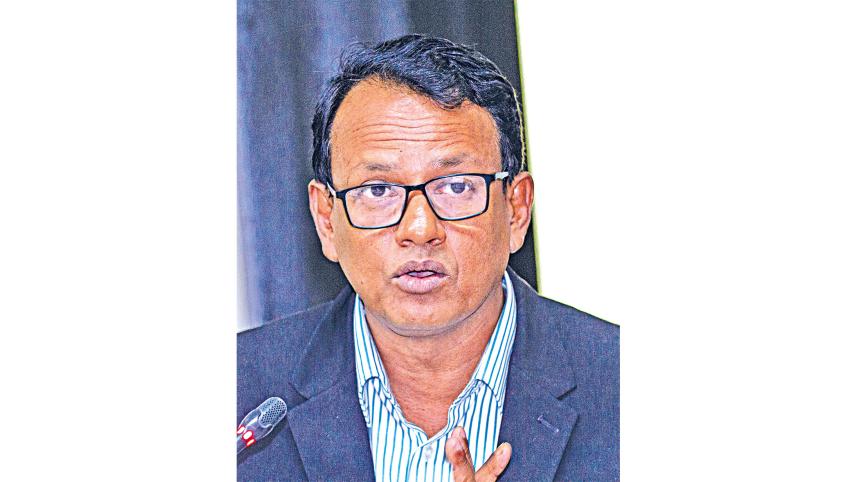
I believe the capital market is not in competition with banks but must become attractive and efficient to draw investors and issuers. Currently, 90% of total corporate financing comes from banks, highlighting the lack of alternative investment channels. Many client balance sheets are over-leveraged and require restructuring, which banks often provide due to the absence of an active capital market. Trust is critical; fewer than 25 companies are reliably investable, leaving retail investors vulnerable. Initiatives are underway to build the market: we issued the first affordable housing bond, subordinate bonds with 73% non-bank subscription, and social bonds targeting diverse investors. These steps aim to create liquidity in the secondary market and encourage broader participation. Gradually, as the capital market becomes more efficient and trustworthy, it can complement banking finance, reducing over-reliance on banks while supporting structured capital raising for sustainable growth.
Istequemal Hussain
Director (Debt Management Department), Bangladesh Bank
I am implying that we have focused on small depositors, not large investors, to maintain confidence in the banking system. Bangladesh Bank always prioritises restructuring weak banks, and many banks that were weak 20 years back have already turned around. Our capacity is steadily improving, supported by the World Bank, IMF, and domestic task forces, including several local experts. Drawing from the Indian experience, where five banks were successfully merged over 20 years without cashing out, we plan to implement share swaps to stabilise the market rather than immediate pay-outs. The current panic is intense, but by prioritising small depositors and executing a structured turnaround plan, we aim to restore trust and gradually strengthen the banking system. Patience and careful planning are essential for lasting results.
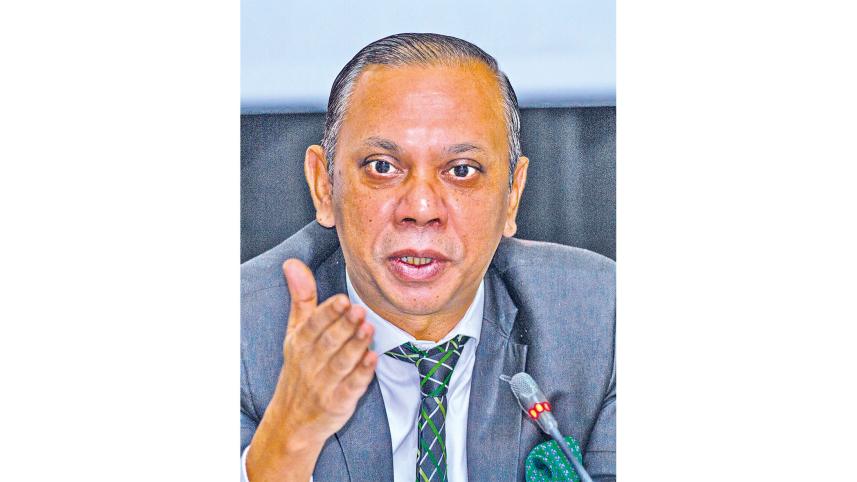
Mominul Islam
Chairman, Dhaka Stock Exchange
Let us understand the holistic development of the capital market, emphasising that over-reliance on banks for financing must shift toward a balanced equity and debt market. Our economy is at a crossroads, requiring corporate recapitalisation to enable financial intermediaries and corporates to grow. Current IPO processes are slow due to distrust in financial statements, leading to high compliance costs that exceed global standards. I advocate for alternative approaches, such as bank-guaranteed bonds or asset-backed securities, which can build investor trust and reduce reliance on personal guarantees. For instance, if Brac Bank issues a 25% first-loss guaranteed bond, investors perceive it as safe. Strengthening both debt and equity markets, alongside collaboration between Bangladesh Bank, BSEC, DSE, and NBR, is essential to stabilise the financial ecosystem and ensure long-term market confidence.
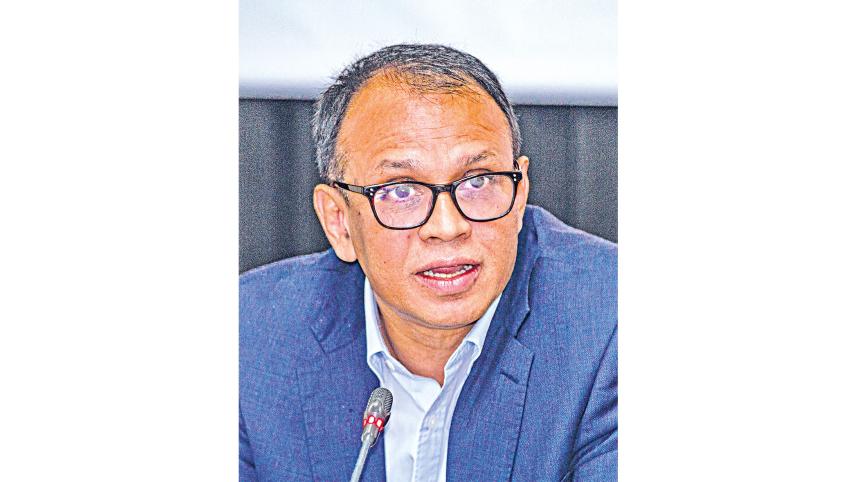
Md Saifuddin, CFA
Commissioner, Bangladesh Securities and Exchange Commission (BSEC)
I am focusing on the structural issues of the capital market, emphasising that the transition from bank financing to market-based finance requires addressing deep-rooted incentives and behavioural patterns. Over the past 15-16 years, pervasive incentives and regulatory forbearance have allowed opportunistic firms to dominate, while good companies avoided the market. For instance, 60 merchant banks manage total capital raises of only 300-600 crore taka, reflecting inefficiencies and distorted valuation methods. The market has been shaped by information asymmetry, wealth concentration, and behavioural degeneracy, rather than economic principles. True equity valuation must consider operating capital and earning power, not just asset liquidation values. Protecting minority shareholders and ensuring fair regulation is critical to attract generational capital, build investor trust, and create a functioning, transparent capital market.
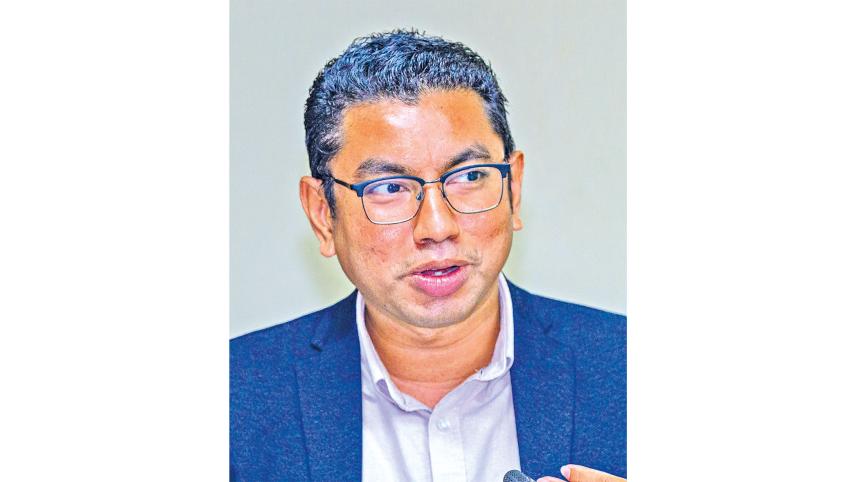
Tanjim Ferdous
In-Charge, NGOs & Foreign Missions, The Daily Star
Moderator of the Session
As we conclude today's session, it is clear that Bangladesh must reduce its bank-dependency, with bank loans at 36% of GDP versus capital market capitalisation of 13%. Strengthening the capital market through quality listings, simplified IPO and bond processes, and greater institutional investor participation is essential. Our goal is a balanced, sustainable financial system where banks and markets complement each other. Insights from today's discussion will inform actionable policy recommendations, helping to build investor confidence, deepen liquidity, and support long-term economic growth in Bangladesh.
Recommendations
- Flexible IPO process: True Dutch auction should be implemented without requiring the need of indicative price. Alternatively, indicative price may be proposed by the Issuer and Issue Manager. Further, valuation Cap at NAV and limiting Post-IPO Paid up capital to 100 crore for fixed price method should be excluded.
- Use of IPO Proceeds: IPO proceeds should be permitted for debt repayment to attract stronger issuers and strengthen overall market depth.
- Transition to Market-Driven Valuation Methods: Adopt flexible, international valuation standards that reflect true company potential.
- Introduce Targeted Tax Incentives for Listing: Provide tax benefits to incentivise private companies to go public.
- Ensure Enforcement and Accountability: Impose strict consequences for financial misreporting and wilful default to restore trust.
Comments