


We need reliable buyers to build more solar power

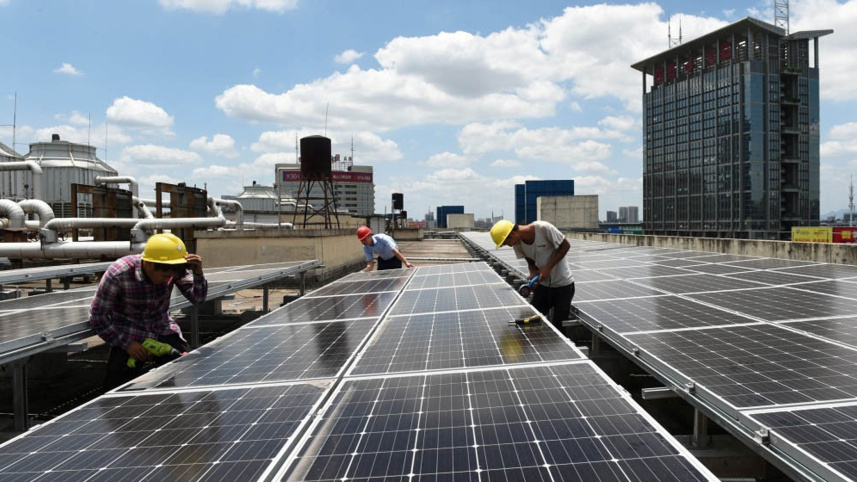
A factory that wants solar electricity and a landowner who can host a solar plant may be hundreds of kilometres apart, and Bangladesh’s electricity network should make that distance manageable. For a developer, however, finding both is only the beginning. The project still needs permission and capacity to move power between them, at a cost the buyer will accept.
This is the test facing Bangladesh’s merchant-power reform. The Policy for Enhancement of Private Participation in the Renewable Energy-based Power Generation, 2025 allows renewable generators to sell directly to large consumers through transmission and distribution networks. But meeting the country’s target of supplying 20 percent of electricity demand from renewables by 2030 requires projects that can secure finance. Investors need a credible route from a proposed solar site to a paying customer before they commit substantial development spending. At the Bangladesh Energy Regulatory Commission’s August 23 hearing, industry representatives and energy experts opposed a proposed cross-subsidy surcharge on merchant-power customers. Distribution utilities sought compensation for revenue they could lose as large customers moved to private suppliers. How much freedom will the new market offer if network charges erode the savings that attract buyers?

Outside industrial centres, inexpensive land, and a nearby substation can look promising. But the substation’s location reveals little about how much generation the network can accommodate. Under the policy, access depends on available network capacity, and the relevant utility’s power-system study determines how much a plant can supply. A study might show that the plant needs a longer connection, network reinforcement, or a smaller capacity, thus changing the economics enough to make the land unattractive. Limited electricity demand near the site need not rule it out: distant customers can provide a market if the network can carry the power.
The developer must then establish how dependable those customers will be. The policy permits a distribution utility to buy up to 20 percent of a plant’s declared monthly energy output through a power purchase agreement. This is conditional on the utility’s demand and capacity; it creates no automatic obligation to absorb unsold electricity. Payment security is required for utility contracts, but it cannot create demand. A lender will therefore look beyond annual output. A factory may need less electricity when solar generation is strongest. It may reduce production, pay late, or close. Several customers can spread that exposure, although negotiating with them adds work. Interest in cleaner energy must translate into contracts specifying volumes, payment obligations, and what happens when circumstances change.
Market organisation can make these risks harder to manage. Developers negotiate with buyers while still establishing the network costs and connection conditions that determine the offer. Buyers need a credible delivered price; lenders need contracts they can evaluate. Resolving these uncertainties alone can delay investment.
Bangladesh Power Development Board (BPDB) could help organise the buying side. Working with distribution utilities, it could invite large consumers to register how much renewable electricity they need and when, then connect suitable buyers with developers. Participation should be voluntary, with parties responsible for their contracts. A further policy option would let BPDB combine demand from committed customers, purchase agreed volumes from solar plants, and resell the electricity to them. This could help larger plants secure finance when no single factory can absorb their output. The programme should require verified demand, competitive procurement, and limits on BPDB’s financial obligations. Purchases beyond the merchant policy’s 20 percent provision would need an explicit legal and regulatory basis.
This would be useful only if BPDB’s payments were dependable. The International Energy Agency identifies financially credible intermediaries as a way to reduce renewable projects’ revenue risks. Payment security and rules for customer withdrawal and interrupted delivery would be essential. With those conditions in place, coordinated purchasing could shorten negotiations and help more investment reach solar projects at scale.
These arrangements would also need reliable grid information. Power grid and distribution utilities should publish a regularly updated, indicative hosting capacity map showing how much additional renewable generation their networks can accept. It should distinguish available capacity from capacity dependent on upgrades and explain its assumptions. Detailed studies would remain necessary; developers would know where they were worth paying for.
A developer dealing with the power grid, BPDB, rural electrification system, or NESCO should encounter common application requirements and published response times. Bangladesh already has a national net-metering portal through which applicants select their utility and track progress. Merchant projects need more extensive studies and contracts, but the portal offers a precedent for coordinating applications. A common portal would need clear responsibilities. Applicants should know which organisation must answer next and when. Preliminary advice should identify connection constraints early.
Network charges deserve the same clarity. Utilities incur costs in delivering electricity, and protecting consumers who cannot switch suppliers is a legitimate concern. Charges to recover lost revenue or support other consumers should be transparently calculated and assessed against their effect on renewable investment. Buyers need to understand the total delivered cost, including losses and backup supply, and how it may change.
Sylhet’s tea estates illustrate why these details matter. The policy provides for facilitating projects on private tea estates. Using suitable unused land still requires lawful permission, a grid connection, and buyers for any electricity intended for sale outside the estate. Clear renewable energy permissions could help owners and developers assess sites while protecting cultivation, workers’ interests, and the underlying lease.
Bangladesh should make these questions answerable before developers incur substantial costs. A defined BPDB role in organising demand, alongside clearer grid access and charges, could improve access to finance.
Md. Sajid Hasan is Energy Intelligence Associate at Lontana Consulting and intern at King’s College London. He can be reached at sajid16hasan@gmail.com.
Views expressed in this article are the author's own.
Follow The Daily Star Opinion on Facebook for the latest opinions, commentaries, and analyses by experts and professionals. To contribute your article or letter to The Daily Star Opinion, see our guidelines for submission.
 For all latest news, follow The Daily Star's Google News channel.
Comments