


Reimagining Bangladesh’s digital identity ecosystem

The National Identity (NID) Card is the primary document of identification that Bangladeshis use to access an array of essential services every day. It is a legal proof of identity to conduct financial transactions as well as to access services in both public and private sectors, as well as to protect citizens from identity fraud and theft. It has also strengthened the government’s capacity to improve the distribution of social benefits.
However, the country’s identity landscape remains fragmented. Citizens still have to rely on multiple registries and navigate separate identity services to acquire documents such as birth certificates, NID cards, and passports, which often operate in isolation from each other. As the government expands digital public services and social protection programmes, the limitations of this fragmented approach has become evident.

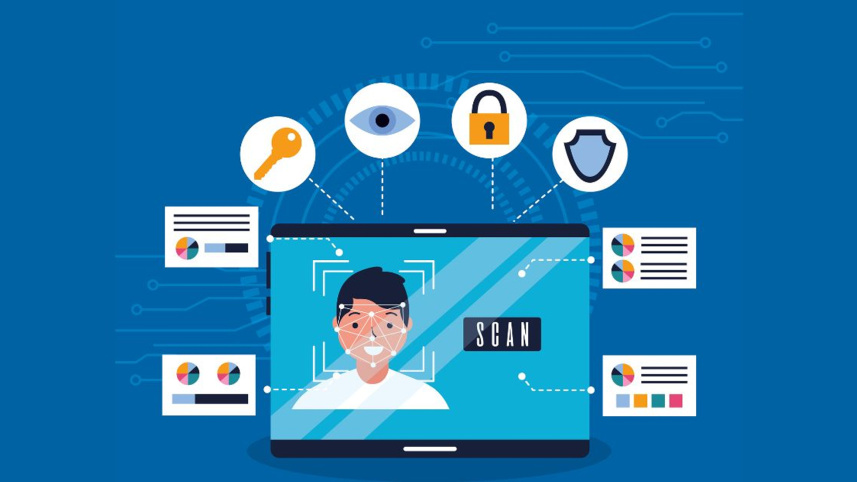
This challenge can be addressed through an effective digital identity ecosystem. Such a system would require a robust and interoperable technical and infrastructural foundation, high standards of security and privacy, strong public trust, and broad user inclusion and adoption driven by everyday relevance and usability.
The current NID system evolved from the voter registration overhaul in the country two decades ago. The Preparation of Electoral Roll with Photographs (PERP) project (2007-2010), led by the Election Commission (EC), was designed to support voter registration and create a credible voter list with photographs in order to facilitate free and fair elections. Since then, it has remained integral to the voter registration process.
According to the National Identity Registration Authority (NIRA) Ordinance, passed by the then caretaker government in 2008, the voter cards issued by the EC would be considered NID cards and would be required to avail 22 services, including the issuance and renewal of passports, driving licence, trade licence, opening bank accounts, and mobile phone registration. The ordinance eventually became the National Identity Registration Act in 2010.
A year later, the Identification System for Enhancing Access to Services (IDEA) project was initiated with the World Bank’s support, aiming to issue smart NID cards replacing the paper-laminated cards. Under the IDEA project, the central NID database has been linked with public and private service providers to automate and secure e-KYC and identity authentication.
Along with expanding the distribution of smart NID cards under the second phase of the IDEA project, which was initiated in 2020, the EC is offering digital NIDs featuring scannable secure QR code stored as e-files. Citizens can download a copy of the e-file and print it on regular paper to use as an official identification. As these formats are used partly as printable document substitutes, a fully operational digital identity system still remains absent.
To achieve efficiency and data security, Bangladesh must integrate all its various identity programmes into a unified, autonomous digital identity ecosystem. Experiences of the neighbouring countries provide valuable lessons in this regard.
India, for instance, has the Aadhaar digital ID system, which is one of the largest and most distinct biometric identification programmes in the world. The Unique Identification Authority of India (UIDAI), established in 2008, was mandated with the task of providing a unique and non-duplicable proof of identity to every resident of the country. The UIDAI issues a unique identification number (UID) linked to an individual’s iris scans, fingerprints and basic demographic data. Residents of India are eligible to apply for the Aadhaar card irrespective of age. UIDAI regional and nodal offices have worked with schools and orphanages across the country to reach children under the age of 18. A specific Aadhaar variant, Baal Aadhaar, is issued to children below five years of age.
In Pakistan, on the other hand, the National Database and Registration Authority (NADRA) is an autonomous government agency formed in 2000. Besides issuance of computerised national ID cards for citizens, overseas Pakistanis, and Pakistan-origin cards, NADRA maintains vital statistics including birth, death, marriage, and divorce records, and issues family registration certificates.
In Bangladesh, the government has recently launched its Family Card and Farmers Card to strengthen financial inclusion and social protection. The Family Card is a database-driven digital identification and social protection instrument that integrates multiple welfare services under a single identity to deliver regular financial assistance directly to vulnerable households. The Farmers Card integrates farmer identification with secure digital payment capabilities for disbursement of subsidy for farmers across the country.
If all these systems are brought under a well-integrated and interoperable digital identity system capable of supporting access to services and benefits for all citizens, including poor families and children, service delivery will become streamlined. Such a system could develop a comprehensive foundational database by integrating existing databases and facilitating identity registration from birth, including the issuance of NIDs for individuals of all ages. It would also enable the government to accurately identify citizens and ensure that those most in need receive social protection benefits, disaster relief, and emergency assistance when needed, efficiently and effectively.
It is also critical to create interoperable linkages between NIDs and other public services and benefits, including the Family Card and Farmers Card programmes. Such integration would enable individuals to prove their identity seamlessly when accessing services and benefits while reducing identity fraud, duplication, and administrative errors.
To this end, the government can mobilise multi-stakeholder collaboration involving the private sector, technology experts, NGOs, and multilateral development partners to build a robust and secure digital identity ecosystem. In the 21st century, a state-of-the-art identity system is essential for strengthening financial inclusion and supporting the country’s sustainable development goals.
T.I.M. Nurul Kabir is a business, technology and policy analyst. He can be reached at timnkabir@gmail.com.
Views expressed in this article are the author's own.
Follow The Daily Star Opinion on Facebook for the latest opinions, commentaries, and analyses by experts and professionals. To contribute your article or letter to The Daily Star Opinion, see our guidelines for submission.
 For all latest news, follow The Daily Star's Google News channel.
Comments