


Reflections on elder care, responsibility, and understanding

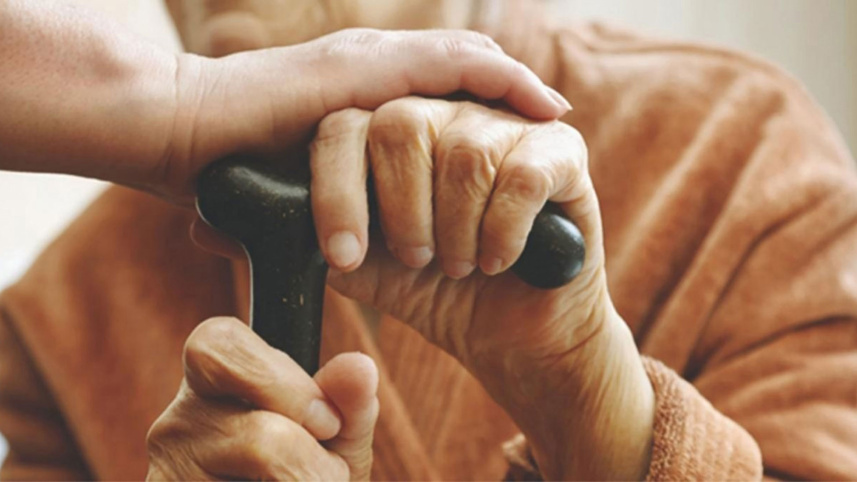
The recent death of an elderly woman in Dhaka, reportedly found to have been living in distressing conditions despite having several educated and financially capable adult children, has triggered widespread public outrage and a painful national conversation about family responsibility, elder care, and the values we claim to uphold as a society.
What has struck me the most is not only the tragedy itself but also the sharp polarisation between the opinions that followed. Some have been quick to condemn the children without reservation, while others have rushed to defend them, arguing that no outsider can truly understand the complexities that exist within a family’s dynamics.

I believe there is truth in both perspectives, but perhaps there is also a deeper conversation we need to have. My own views are shaped by my experience caring for my late mother during her battle with dementia. Having walked that path, I know firsthand that caring for an ageing parent, particularly one experiencing cognitive decline, is not always easy.
Dementia is not simply forgetfulness. It brings with it mood swings, confusion, suspicion, anger, frustration, and behaviour that can test even the most devoted caregiver. There were days when my mother became agitated, stubborn, or difficult to reason with. In the beginning, I often focused on the behaviour itself. Over time, however, I realised that the real challenge was not changing her, but rather changing my own perspective.
Gradually, I learnt to look beyond the words and actions to understand the emotions behind them. One of the most valuable lessons I learnt was that many elderly people, especially those facing illness, dependency, loneliness, or cognitive decline, often hide their vulnerability behind resistance and anger. What appears to be stubbornness may actually be fear. What looks like aggression may be a shield protecting someone who feels frightened, confused, or increasingly powerless.
Once I began seeing my mother through that lens, things changed. I became more patient, empathetic, and more attentive to her emotional needs. Love, reassurance, affection, and patience gradually achieved what frustration never could. The mother who sometimes seemed distant or agitated slowly began relying on me more and more. Trust deepened and communication improved, too. Our relationship evolved into something even more meaningful than before.
Looking back today, I feel blessed to have been able to care for my mother in the best way I could during the final years of her life. The journey was far from perfect, and the early days were undoubtedly challenging. Yet, as my understanding grew, so did our bond. What could have been years remembered only for illness became years filled with warmth, shared laughter, heartfelt conversations, and precious memories that I now carry with me every day.
Perhaps that is why this incident affects me so deeply. It reminds me that elder care is about far more than providing food, medicine, housing, or financial support. Those things matter, but so do patience, dignity, emotional presence, and the willingness to understand needs that may not always be expressed gently or clearly.
At the same time, my experience also makes me cautious about passing judgement on any family from a distance. Every family has its own struggles, and caregiving itself can be physically, emotionally, and mentally demanding. But acknowledging those realities should not prevent us from asking difficult questions about how we care for our elderly loved ones and whether, as a society, we are adequately prepared for the challenges of an ageing population.
We celebrate academic achievements, professional success, and economic progress, but perhaps we spend too little time discussing compassion, caregiving, and the responsibilities that come with family bonds. The true measure of a society is not simply how much wealth it creates or how educated its citizens become. It is also reflected in how it treats those who are most vulnerable.
For me, the lasting lesson is a simple but profound one: sometimes the greatest act of care begins with understanding the fear hidden behind another person’s anger. And one of life’s greatest blessings is being able to look back, after a loved one is gone, with the peace of knowing that you gave them not only support, but also your time, your patience, your affection, and your presence when they needed it most.
Perhaps the greatest tragedy would be if the recent incident generates a few days of outrage and then fades from public memory. Instead, I hope it encourages each of us to reflect on the elderly people in our own lives. Most are not seeking extraordinary gestures. They are looking for our time, our attention, a listening ear, and the reassurance that they still matter. One day, if we are fortunate enough to grow old ourselves, we too will hope to receive the same kindness, patience, and understanding from those around us. Perhaps that is the most important question this incident leaves us with: are we giving our parents and elders the care, dignity, companionship, and sense of belonging that we would wish for ourselves?
Tahera Jabeen is a development practitioner.
Views expressed in this article are the author's own.
Follow The Daily Star Opinion on Facebook for the latest opinions, commentaries, and analyses by experts and professionals. To contribute your article or letter to The Daily Star Opinion, see our guidelines for submission.
 For all latest news, follow The Daily Star's Google News channel.
Comments