


If the second US-Iran dialogue too fails, what comes next?

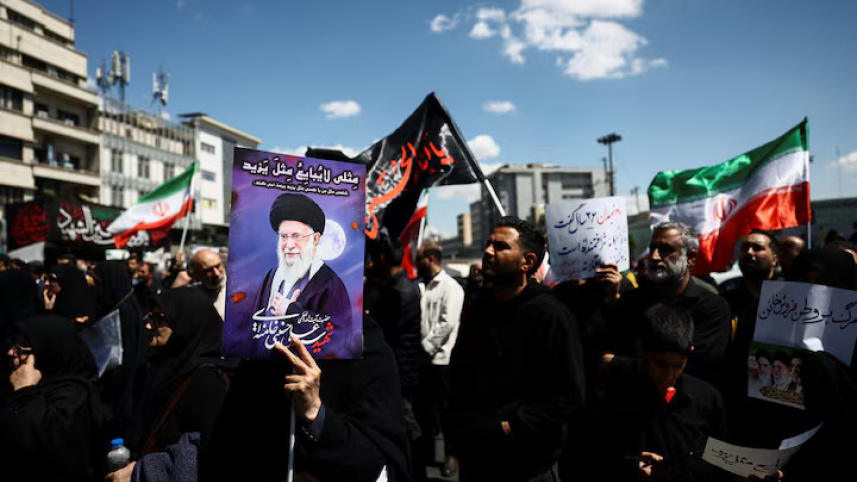
The two-week ceasefire between the United States and Iran, brokered through Pakistan’s mediation on April 8, 2026, is now entering its most critical and precarious phase. Twenty-one hours of intense negotiations in Islamabad ended without a breakthrough, and with the ceasefire expiring on April 21, the world is watching a high-wire diplomatic act where the margin for error is almost nonexistent. What is unfolding is a structural test of how 21st-century great-power diplomacy operates when institutional norms are deliberately bypassed, domestic politics bleed into foreign policy, and the global economy hangs in the balance of a single narrow waterway.
The architecture of a failed round

The Islamabad talks represented something historically significant—the first direct engagement between US and Iranian officials since 1979. It was itself a diplomatic achievement. Yet the talks collapsed under the weight of irreconcilable maximalist positions. Washington’s “final offer” demanded full access to Iran’s nuclear facilities, an end to uranium enrichment, and broader regional de-escalation, including keeping the Strait of Hormuz open. Tehran, viewing enrichment as a sovereign right, refused to submit to externally imposed restrictions. Neither side walked away declaring the end of all dialogue, which remains the sole thread of cautious optimism.
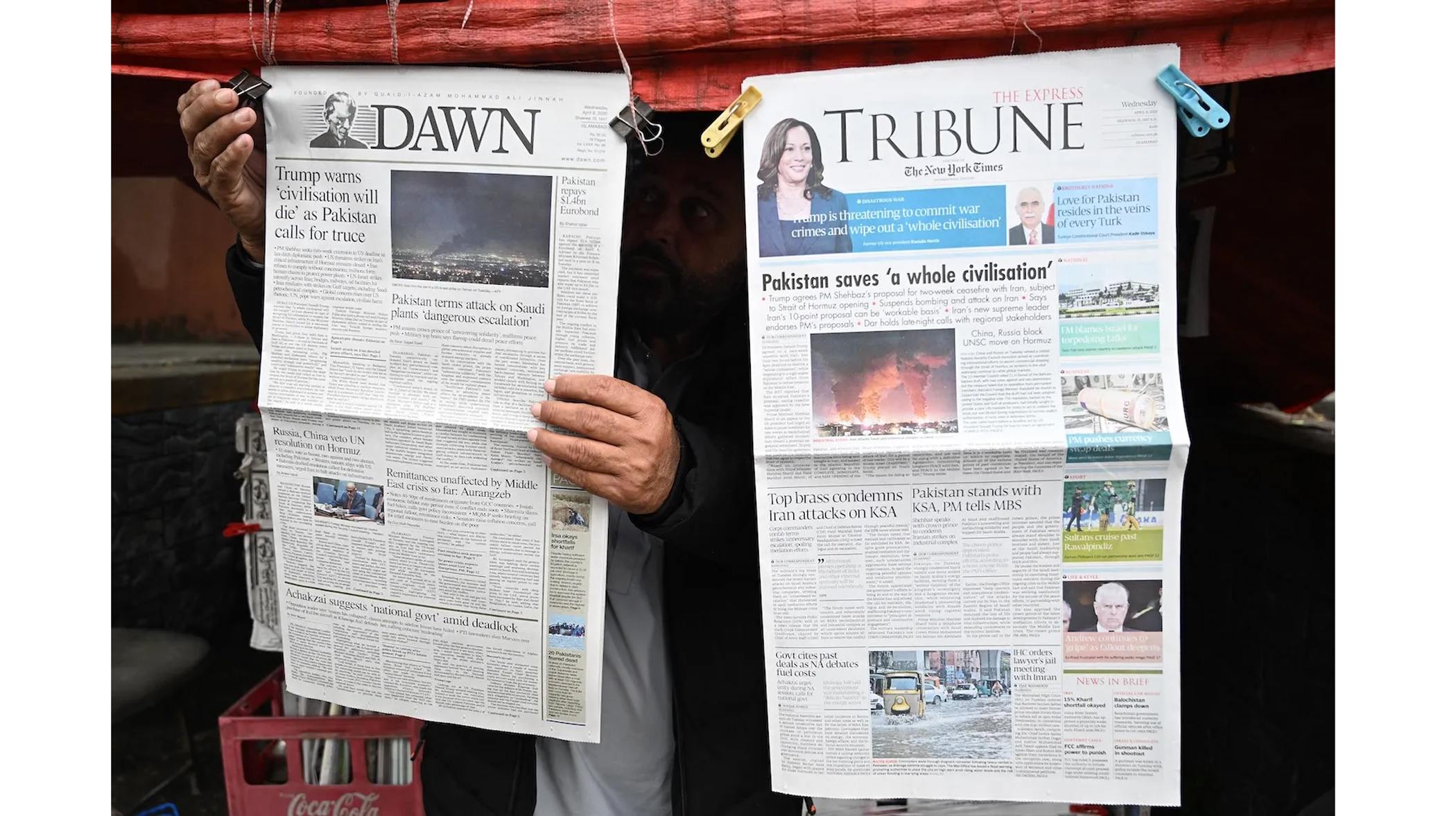
What deserves close analytical attention is how the US negotiating architecture reflected a deeper institutional tension. The State Department, traditionally the nerve centre of US diplomacy, was effectively sidelined. Secretary of State Marco Rubio, who had participated in earlier rounds, was replaced by Vice President JD Vance as the lead negotiator. On the very night the Islamabad talks concluded, Rubio was attending an Ultimate Fighting Championship match in Miami with President Trump. This is not a trivial detail. It signals that the current administration prefers to keep diplomatic levers in the hands of a tightly controlled political inner circle, sacrificing institutional depth for direct executive control. The ramification is a negotiating posture that may be strong on signalling but weak on technical nuance, precisely the kind of nuance that complex nuclear negotiations demand.
The Hormuz gamble and its economic blowback
Following the collapse of talks, President Trump announced a US naval blockade of the Strait of Hormuz, with the navy tasked with preventing ships from entering or exiting Iranian ports. Washington has framed this as a “freedom of navigation” operation, though CENTCOM clarified that non-Iranian vessels transiting the strait are not impeded. Iran, predictably, has described the blockade as an illegal act of economic warfare against the global trading system.
The economic ramifications are already severe and spreading beyond the immediate conflict zone. Oil prices for cargoes in East Asia have reportedly climbed to $140-$150 per barrel. The International Energy Agency has signalled an expected decline in global oil demand amid market disruptions. Nations such as China, India, and South Korea, which depend heavily on Iranian energy flows and Hormuz transit, are being squeezed the hardest. China, notably, has called the US blockade “dangerous and irresponsible,” unusually strong language for Beijing in public diplomatic discourse. The irony embedded in Trump’s Hormuz strategy is that, by instituting his own blockade in response to Iran’s closure of the strait, Washington has effectively doubled the economic pressure, not just on Tehran, but on its own allies and trading partners.
This matters for domestic political calculus as well. A majority of the US population already opposes the war. Trump’s base, the constituency that swept him back to the White House, is not rallying behind extended military engagement; it wants lower fuel prices and an end to foreign entanglements. The political window for a purely coercive strategy is narrowing rapidly.
The nuclear arithmetic
At the heart of the impasse is the nuclear question. The US demands a long-term commitment from Iran to never develop nuclear weapons. Iran has reportedly offered a five-year moratorium; Washington is seeking a 20-year suspension. The gap between five and 20 years is not merely numerical—it reflects fundamentally different visions of Iran’s sovereign identity and its regional security calculus.
It is worth noting what even a five-year suspension would mean in historical terms. The 2015 Joint Comprehensive Plan of Action (JCPOA), known as the Iran nuclear deal, under the Obama administration, which the Trump White House derided as a weak deal, did not secure any formal commitment from Iran to permanently abandon enrichment. If a new agreement extracts even a time-bound moratorium with verification mechanisms, it would, paradoxically, represent a stronger constraint than what the JCPOA achieved. Trump could credibly claim it as a win, even if the timeline falls far short of his stated ambitions.
The role of China in any eventual resolution cannot be overstated. Beijing has strong economic incentives to push Tehran towards flexibility, given that it is China’s energy imports that are most disrupted by the current standoff. A delayed Trump-Xi summit, now reportedly rescheduled for May, creates a potential back-channel pressure point: if Washington and Beijing can align on the terms of an acceptable Iranian nuclear arrangement, the deal becomes far more structurally durable.
Plausible scenarios for the week ahead
Ceasefire extension with the interim framework would be the most probable outcome for the week ahead. If both sides agree to extend the ceasefire by two to three weeks, without a formal deal but with an agreed framework for continued talks, possibly including a partial rollback of the naval blockade. This will allow all parties to claim progress without conceding on core positions. The precedent of the original ceasefire, which Pakistan helped broker under compressed timelines, suggests that intermediaries like Islamabad, Ankara, or Muscat could facilitate such an extension. The political cost for Trump is minimal; his domestic messaging around “Iran coming to the table” will remain intact.
Narrowing a nuclear-only deal would be a targeted agreement, potentially spanning eight to 10 years, focused exclusively on Iran’s enrichment activities, bypassing the broader questions of regional militias, ballistic missiles, and Hormuz navigation rights. This mirrors the logic of the original JCPOA, but with tighter verification. Such a deal would require Washington to de-escalate the naval blockade as a confidence-building measure. European allies, already openly frustrated, as evidenced by UK Chancellor Rachel Reeves’ candid remarks about a war with “no clear exit plan,” would likely welcome and actively lobby for this outcome. The risk: it leaves Iran’s regional influence architecture largely intact, which hardliners in Washington and Tel Aviv would resist fiercely.
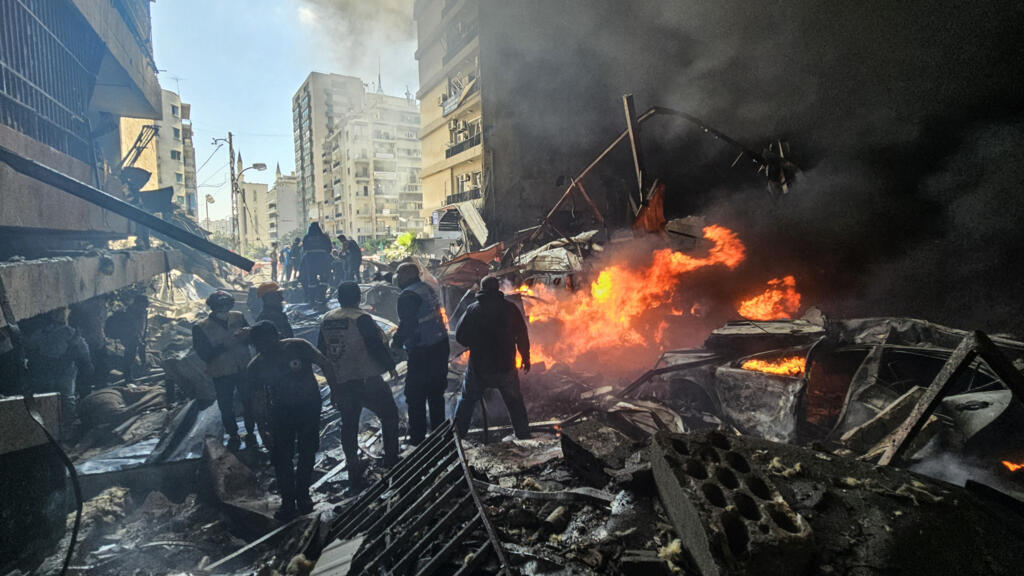
Collapse and limited re-escalation would be another probable scenario. If talks fail again before April 21, the administration may feel compelled to resume limited military strikes to preserve credibility, particularly given JD Vance’s firm public language about US red lines. A full-scale ground invasion or seizure of Kharg Island remains deeply unlikely, given troop deployment realities, international pressure, and the domestic political climate. A limited strike campaign, targeting specific military infrastructure while avoiding civilian power grids, is the more calibrated escalatory tool available. This scenario carries the highest risk of spiralling, given that Iran’s threat environment would also compel retaliatory action, and Chinese and European responses would be sharply negative.
The Beijing pivot is another likely possibility. The May 14-15 Trump-Xi summit in Beijing presents a quietly consequential back-channel. If Washington and Beijing reach any informal understanding on Iran, where China agrees to nudge Tehran towards flexibility on enrichment timelines in exchange for US concessions on tariffs or rare-earth trade restrictions, the entire negotiation dynamic shifts. Beijing’s leverage over Tehran is real, its economic pain from the Hormuz blockade is acute, and its incentive to engineer a solution before the summit is considerable. This scenario does not require China to formally mediate; quiet influence is enough.
The Lebanon lever—Iran’s negotiators have consistently signalled that any durable agreement must address the parallel Israeli offensive in Lebanon. Should Washington successfully pressure Israel into a verifiable pause on that front before April 21, Tehran gains a face-saving justification to soften its nuclear position domestically. This scenario hinges entirely on whether Trump can and chooses to restrain Israel’s war aims, something his own advisers acknowledge remains the most plausible trigger for unlocking the broader negotiation.
 For all latest news, follow The Daily Star's Google News channel.
 What the US-Iran ceasefire saga ultimately illustrates is the danger of a foreign policy architecture that prioritises speed and executive control over institutional depth and allied consultation. Wars are easier to begin than to end, and the current impasse, in which the US has achieved significant military objectives but has not translated them into durable political outcomes, reflects a broader structural tension in how Washington exercises power in a multipolar world. Allies from London to Seoul are watching not just this ceasefire, but the precedent it sets for how the US manages the aftermath of military action it launches unilaterally. The next few days will test whether deal-making instincts can outpace institutional dysfunction.
Syed Raiyan Amir is senior research associate at KRF Center for Bangladesh and Global Affairs (CBGA). He can be reached at raiyancbga@gmail.com.
Views expressed in this article are the author's own.
Follow The Daily Star Opinion on Facebook for the latest opinions, commentaries, and analyses by experts and professionals. To contribute your article or letter to The Daily Star Opinion, see our guidelines for submission.
Comments