


Seeking justice should not become a burden for abuse survivors


Victims of sextortion and image-based abuse are often told to report what happened. But for some, the hardest decision may not be going to a police station or support service—it may be deciding whether telling someone will make things safer or expose them further. For someone already afraid that an intimate image may reach their family, workplace or the wider community, disclosure can feel like losing control all over again. So what happens when someone decides to speak up?
This question matters because silence does not necessarily mean that a victim-survivor has given up on justice.

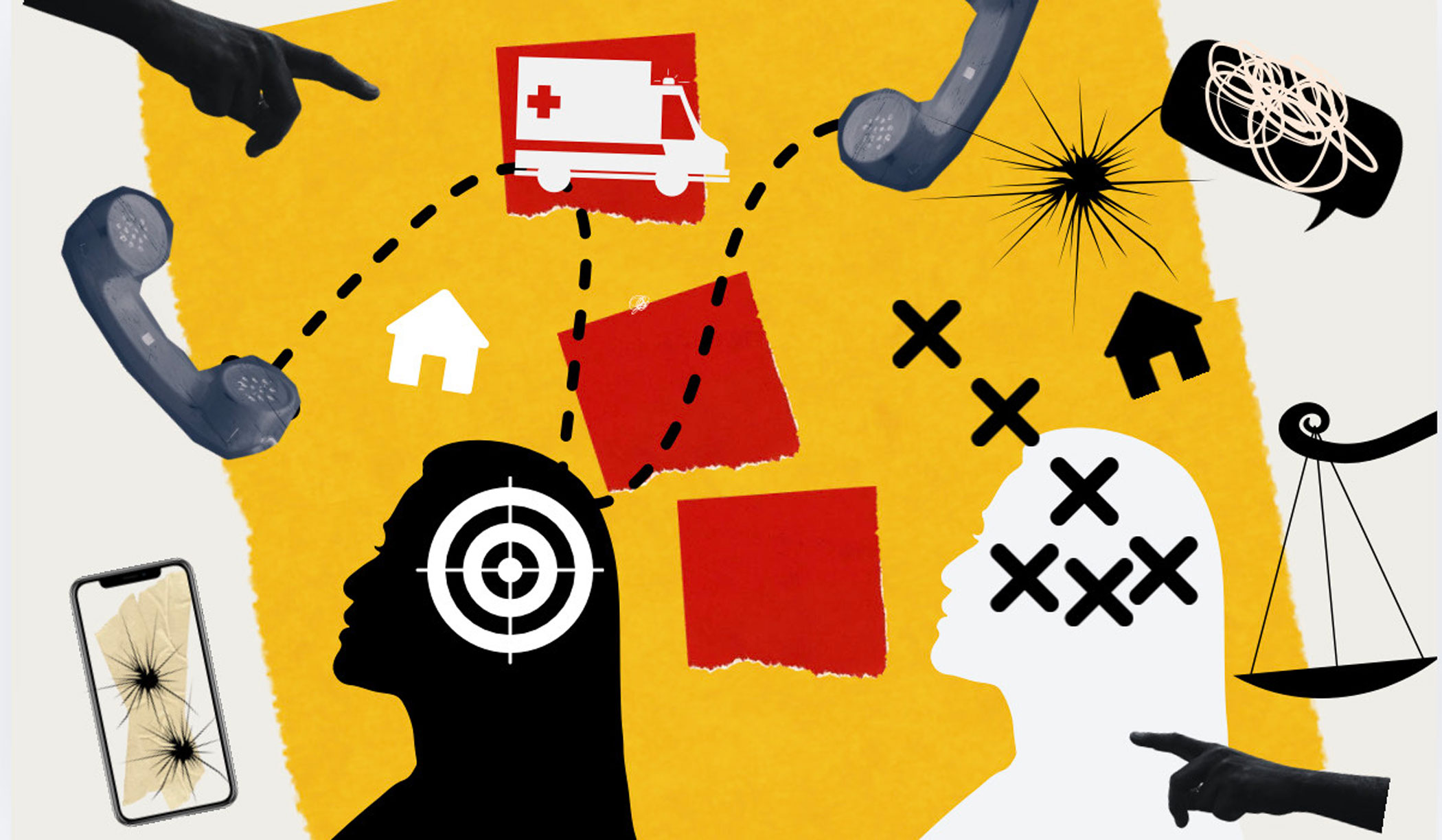
In a recent qualitative study, I interviewed 18 victim-survivors of image-based abuse and sextortion in Bangladesh, along with 12 professionals working in victim advocacy, legal aid, counselling and policing. The study examined how people made decisions about disclosure and seeking help, what they experienced when they entered formal or semi-formal systems, why some disengaged, and how their understanding of justice changed.
What emerged was more complex than simply choosing between reporting and remaining silent. For the participants, seeking justice was an evolving process in which they continually assessed how much to disclose, whom to trust, what might happen next, and whether continuing was worth the personal cost. They described silence and delayed disclosure as ways of managing risk. They worried about stigma, reputational damage, family consequences, and losing control over who knew about the abuse. Some initially tried to manage the situation themselves by blocking the perpetrators, restricting or deleting social media accounts, reducing their online visibility, or confiding only in trusted people. In other words, silence could become an active strategy rather than an absence of action for some victim-survivors.
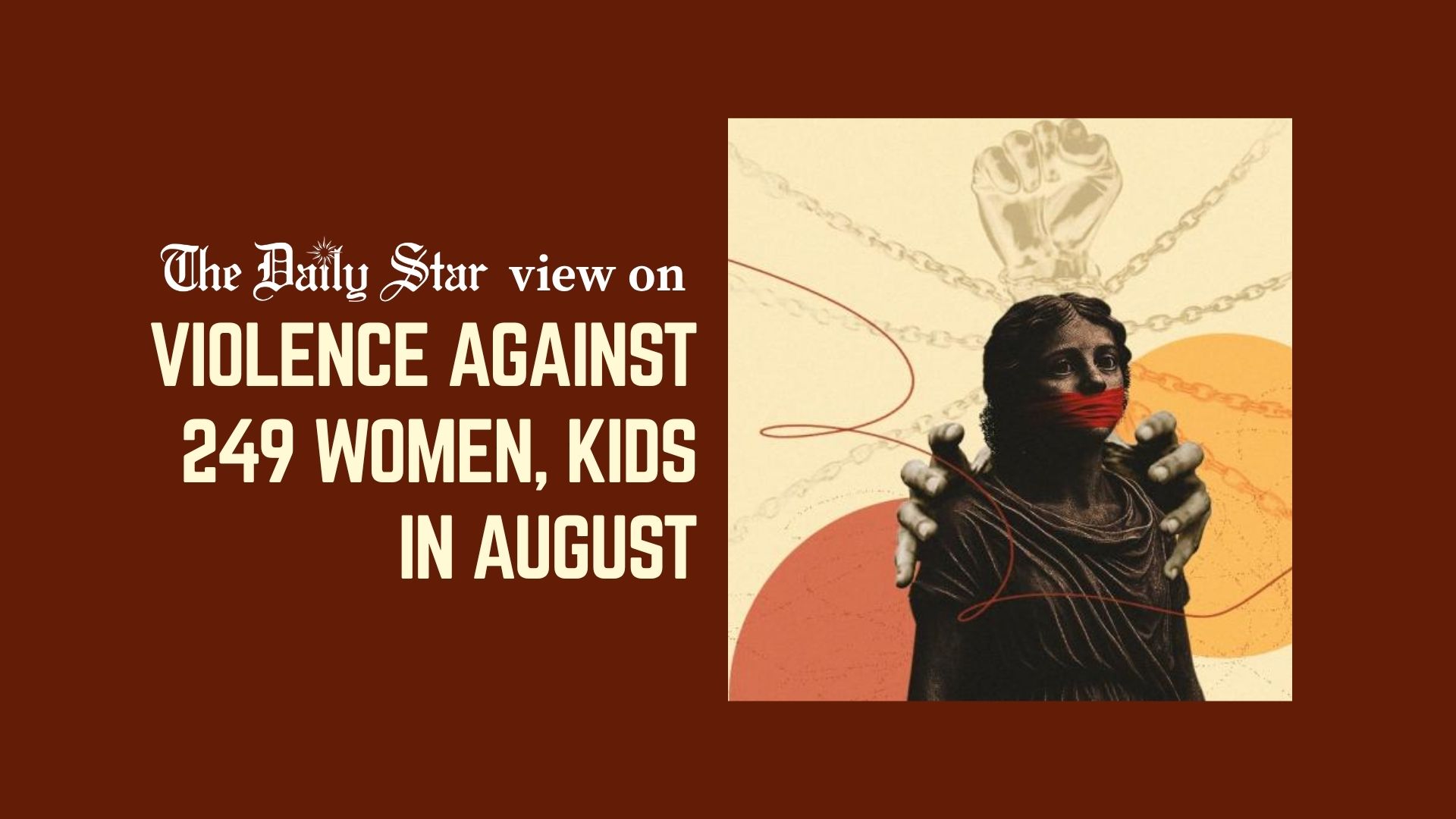
For those who did report, the journey was often far from straightforward. Several participants described uncertainty about where to go and which institution was responsible for their complaint. Some were redirected between institutions and had to recount their experiences repeatedly. What might appear to be routine administrative procedures could become confusing and emotionally exhausting.
The burden could continue once a complaint entered the system. Participants spoke of revisiting messages, screenshots and other digital material as part of evidentiary processes. They understood why evidence was necessary, but returning repeatedly to distressing material could feel like reliving the experience to prove that the harm was real and serious.
Some participants also described long periods without receiving meaningful information about their cases. Not knowing whether a case was progressing or had stalled created anxiety and a sense of powerlessness.
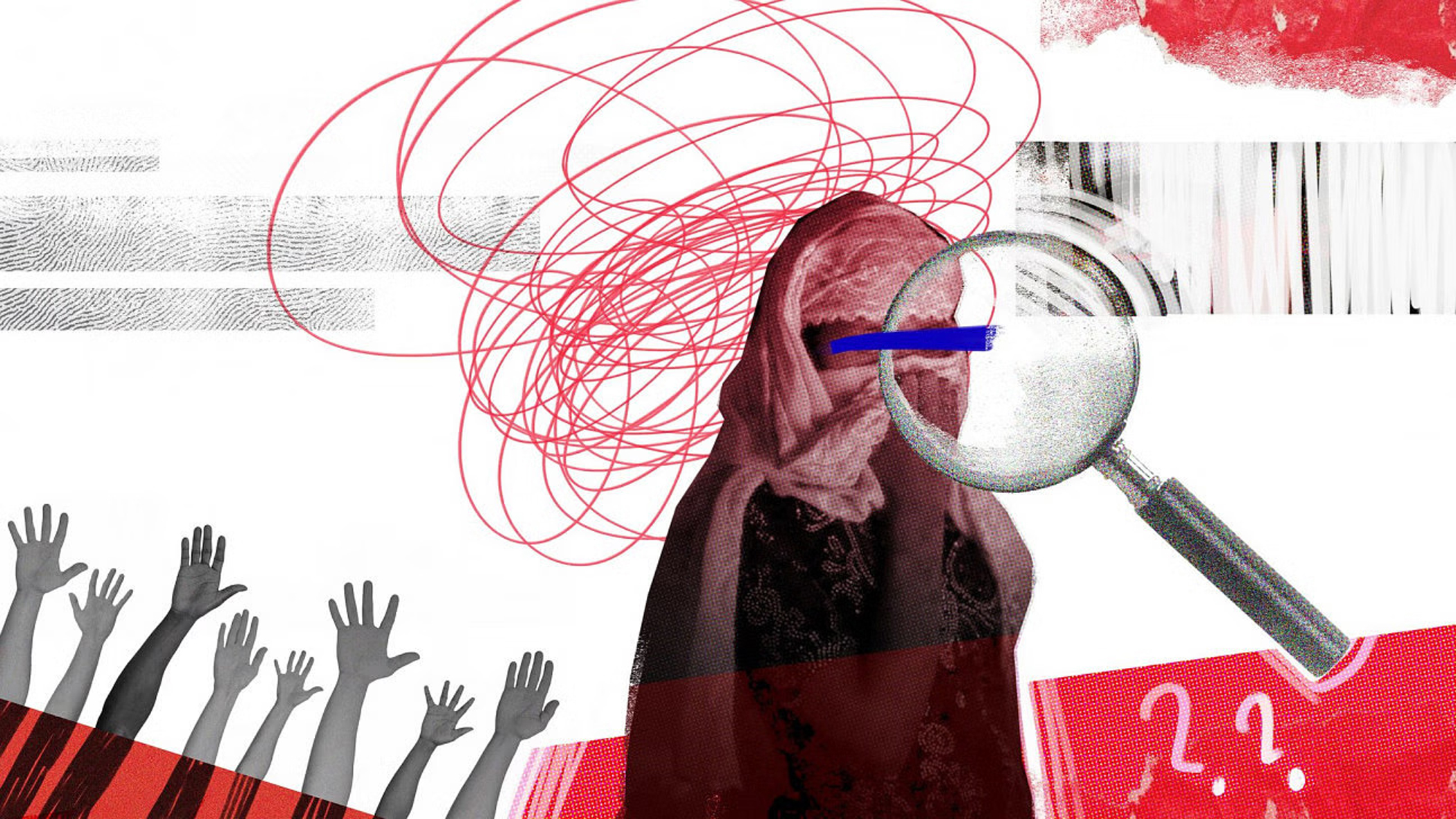
There was also a quieter source of strain: credibility. While explicit disbelief was uncommon in the participants’ accounts, the tone of questioning, attention to inconsistencies, or focus on their own behaviour sometimes made them feel that they were being scrutinised rather than simply heard. Some began questioning themselves and wondering whether they were overreacting.
These experiences don’t mean that investigators face no genuine challenges. Digital evidence can be difficult to collect and assess, and not every participant experienced the justice system in the same way. This was a qualitative study, not a measure of how widespread these experiences are across Bangladesh. But together, these accounts raise a deeper question: what do we mean when we say that someone has access to justice?
If a person eventually stops pursuing a case, it is easy to interpret that decision as a lack of interest in justice. The experiences in this study suggest otherwise: for many participants, disengagement was gradual. Emotional exhaustion, procedural demands, delays and uncertainty accumulated over time, and some eventually decided that continuing the process was taking too much from them. Withdrawal could therefore become an act of self-preservation rather than an indication that the original harm no longer mattered.
This should not be mistaken for rejection of formal justice. Legal outcomes were only one part of how justice could be experienced. Safety, dignity, emotional stability and restoration of control could become central to what a meaningful outcome looked like.
So what should change?
Reporting pathways must be made clearer. Someone experiencing image-based abuse or sextortion should not have to navigate an institutional maze simply to determine where to begin. NGOs, counsellors and legal aid providers can help people understand their options and navigate unfamiliar procedures without deciding for them what they should do.
Evidence collection also needs to be sensitive to the nature of the harm. Procedures should minimise unnecessary repetition and provide clearer guidance about handling sensitive material. In addition, justice-seekers should not be left wondering whether their cases are moving, what happens next or what is expected of them. Clear information and regular communication can make an unfamiliar process more manageable.
Bangladesh now has legal responses to image-based abuse and sextortion. But legal provisions alone cannot guarantee meaningful access to justice. Meaningful access begins with creating institutions through which victim-survivors can seek help without losing further control over their lives.
This article draws on the author’s study titled “Between silence and the state: Victim-survivors’ justice journeys in cases of image-based abuse and sextortion in Bangladesh”, published in the International Review of Victimology in 2026.
 For all latest news, follow The Daily Star's Google News channel.
 Ashfaq Ferdous is lecturer of sociology at Southeast University and a former assistant superintendent of police with Bangladesh Police.
Views expressed in this article are the author's own.
Follow The Daily Star Opinion on Facebook for the latest opinions, commentaries, and analyses by experts and professionals. To contribute your article or letter to The Daily Star Opinion, see our guidelines for submission.
Comments