


Laldia can handle bigger ships, but can the inland network keep up?


The recent inauguration of the construction of the $550 million Laldia Container Terminal has rightly generated optimism. With modern equipment, substantial additional capacity, and the ability to accommodate vessels of up to 6,000 TEUs, Laldia could change what is physically possible at Chattogram port.
As the construction moves forward, Bangladesh needs to look beyond the quay. The terminal will not only receive bigger ships; larger, direct ships can also concentrate more cargo in each vessel. The important question is therefore no longer simply whether Laldia can handle the ships. Can the logistics system behind the terminal handle the cargo that the ships bring?

Two issues deserve particular attention before Laldia’s operating arrangements are finalised: the handling of less-than-container-load (LCL) cargo and rail connectivity for Inland Container Depot (ICD)-bound containers. The LCL bottleneck is already here, and such cargo may seem like a technical port issue, but it has direct consequences for Bangladesh’s manufacturing economy.
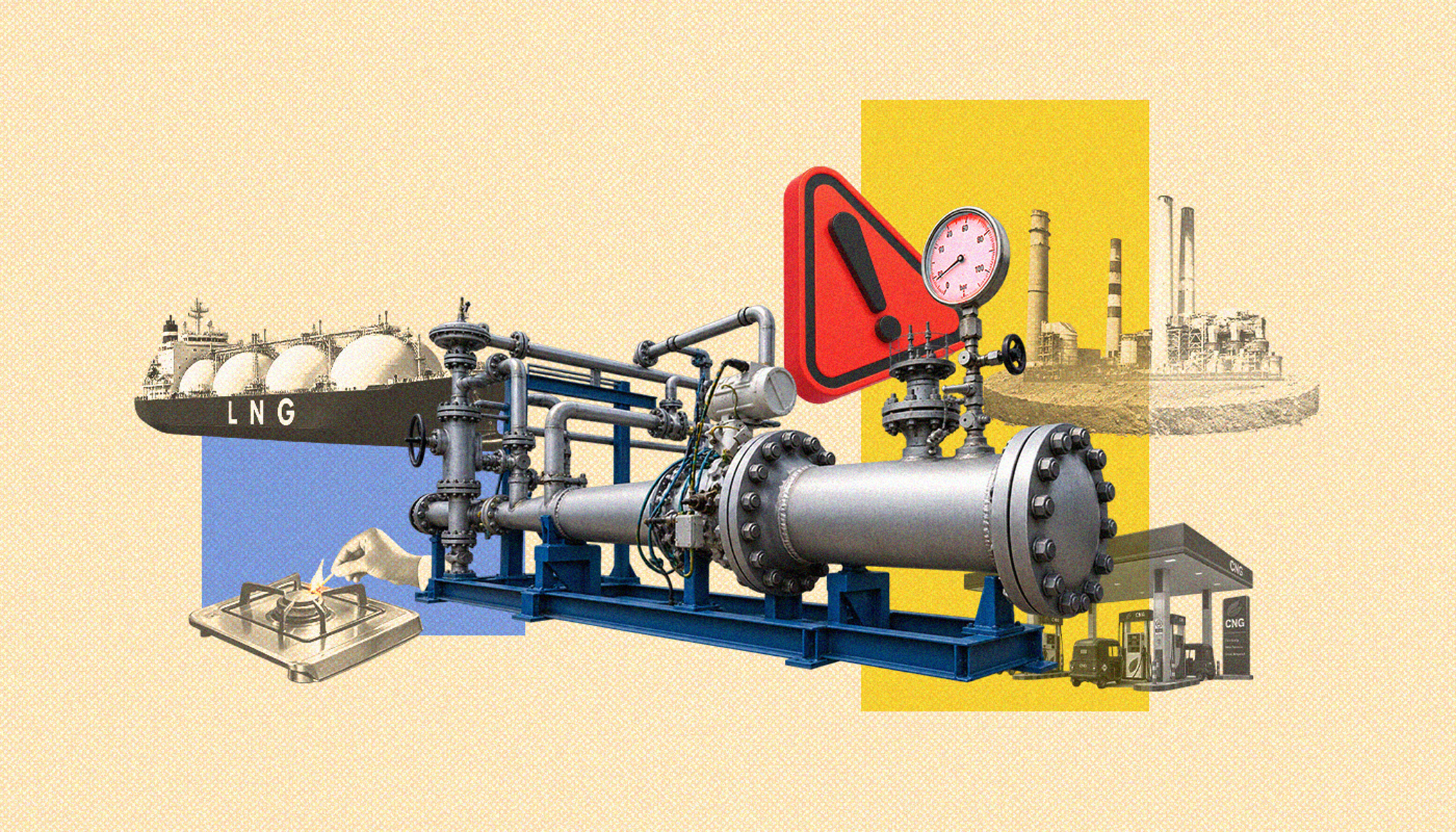
Factories import fabrics, accessories, components, machinery parts, and other inputs as LCL consignments. Several importers’ cargoes are consolidated inside one container. After the vessel arrives, that container must be taken to a container freight station (CFS), unstuffed, and its individual consignments processed through customs before they can be delivered. The problem is that Chattogram is already struggling with this process.
In March, Chittagong Port Authority (CPA) wrote to Bangladesh Garment Manufacturers and Exporters Association (BGMEA) and Bangladesh Knitwear Manufacturers and Exporters Association (BKMEA) after all 14 Container Freight Station (CFS) sheds were filled with LCL cargo. Reports indicated that cargo from around 780 TEUs was awaiting unstuffing because adequate space was unavailable. CPA extended CFS operations around the clock and asked importers to accelerate delivery. BGMEA has also raised concerns over the excessive time required to unstuff LCL containers, including at Patenga Container Terminal (PCT). This should be treated as an early warning for Laldia.
Existing direct services already demonstrate how several hundred LCL containers can arrive together in a single vessel call. Future 6,000-TEU services will not necessarily carry LCL cargo in the same proportion, but the potential for much larger concentrations is obvious. Laldia’s CFS capacity should therefore be designed for the cargo profile of tomorrow’s larger vessels, not merely today’s traffic.
The question is not whether a CFS appears on the terminal drawing. It is how many LCL containers can actually be stripped each day, how much covered storage will be available, how customs examination will be organised, and how quickly the individual consignments can leave the terminal. Otherwise, Bangladesh could shorten the sea journey through larger or more direct shipping services only to lose those days after the vessel reaches Chattogram. A direct service has limited value if the ship arrives faster but the cargo inside the container still waits days to be unstuffed. For a manufacturer, the meaningful measure of connectivity is ultimately how quickly the cargo reaches the factory.
The second challenge begins once the container is ready to leave Laldia. A significant share of Bangladesh’s containerised trade originates from or is destined for Dhaka, Gazipur, Narayanganj, and surrounding industrial areas. Bangladesh is trying to expand the role of rail in moving containers between the ports and the industrial hinterland.
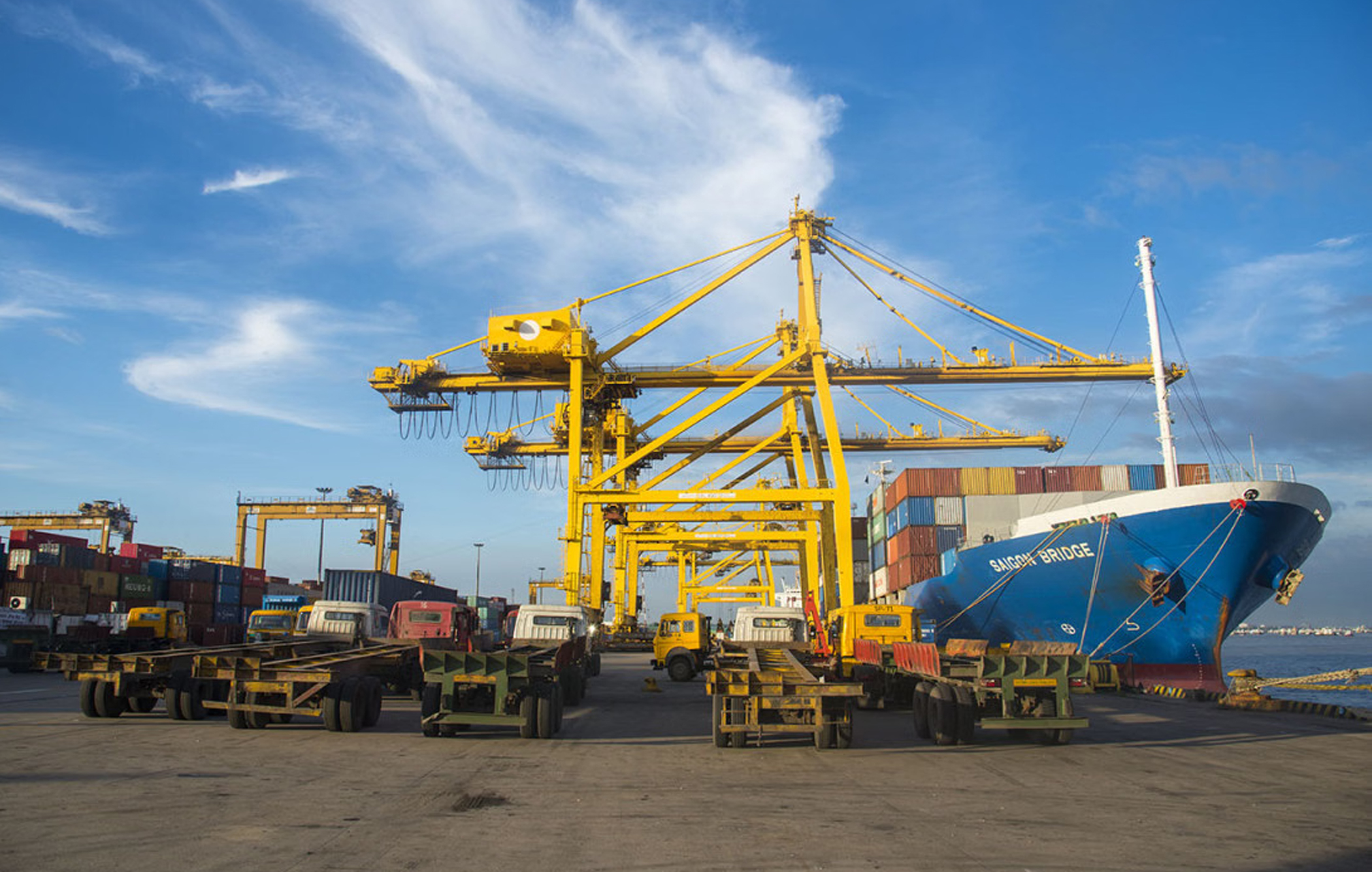
The government has already approved the Pubail-Dhirasram rail-link project associated with the proposed Dhirasram Inland Container Depot. According to Bangladesh Railway’s project documents, a new dual-gauge rail connection is intended to facilitate container movement between Dhirasram and ports including Chattogram and Mongla. Dhirasram is expected eventually to relieve the physical constraints of Kamalapur ICD and provide much greater inland container capacity.
Ghorashal is another emerging part of this network, with a multimodal ICD being developed to serve import and export container flows between the industrial hinterland and the seaports. Yet no dedicated rail interface is evident in the publicly available descriptions of Laldia released so far. That does not necessarily mean railway connectivity has been excluded from future planning. But it raises a question that should be answered now rather than after the terminal has been built: How will ICD-bound containers move efficiently between Laldia and Bangladesh’s rail network?
The experience handling ICD-bound containers through Chattogram’s different terminals makes this more than a theoretical concern. A modern maritime terminal that cannot interface efficiently with the inland railway system risks increasing dependence on road haulage. And bigger ships make that problem more serious.
If Laldia attracts larger vessels and greater container exchanges per call, thousands of additional container movements will have to be absorbed by the landside network. Moving most of them by truck would risk transferring congestion from the river to already pressured roads. This should not be regarded as APM Terminals’ responsibility alone.
The maritime and inland supply chain relies on a complex network of stakeholders. While the CPA and the Ministry of Shipping oversee Laldia, Bangladesh Railway, and the Ministry of Railways manage the rail connectivity and rail-based depots. Furthermore, the process heavily depends on customs for cargo release, as well as the active participation of private ICDs, shipping lines, freight forwarders, and the cargo owners themselves.
The engineering solution may ultimately be a direct rail interface, an adjacent rail-transfer facility, or another arrangement. That requires proper technical and commercial assessment. But someone must own the connection.
The construction period provides an opportunity to bring CPA and Bangladesh Railway together and determine how Laldia will interface with Dhirasram, Ghorashal, Kamalapur and the wider inland container network before terminal layouts and operating systems become expensive to modify.
Laldia can remove an important maritime constraint. But Bangladesh must make sure that it does not simply move the bottleneck from the river to the CFS, from the CFS to the terminal gate, and from the gate to the road. A massive seaport is only as effective as the road and rail networks that connect it to the rest of the country.
Advanced equipment will make Laldia a modern container terminal. Whether it becomes a genuine logistics gateway relies entirely on the inland transport network Bangladesh builds to support it.
Ahamedul Karim Chowdhury, a maritime, logistics and supply chain policy analyst, is former head of Kamalapur Inland Container Depot and Pangaon Inland Container Terminal.
 For all latest news, follow The Daily Star's Google News channel.
 Views expressed in this article are the author's own.
Follow The Daily Star Opinion on Facebook for the latest opinions, commentaries, and analyses by experts and professionals. To contribute your article or letter to The Daily Star Opinion, see our guidelines for submission.
Comments