


Is violent crime being normalised?

Are we entering a new reality where violent attacks are becoming normalised again? The question is difficult to shrug off considering the series of disturbing incidents that were reported in Dhaka over the weekend. From the demolition and looting of the Radda MCH-FP Centre in Mirpur-1 and vandalism of a content creator’s studio at ECB Chattar, to the forced takeover of a plot and looting of cash in Mohammadpur and an armed attempt to seize a building in Adabor, the brazenness of these incidents is deeply concerning.

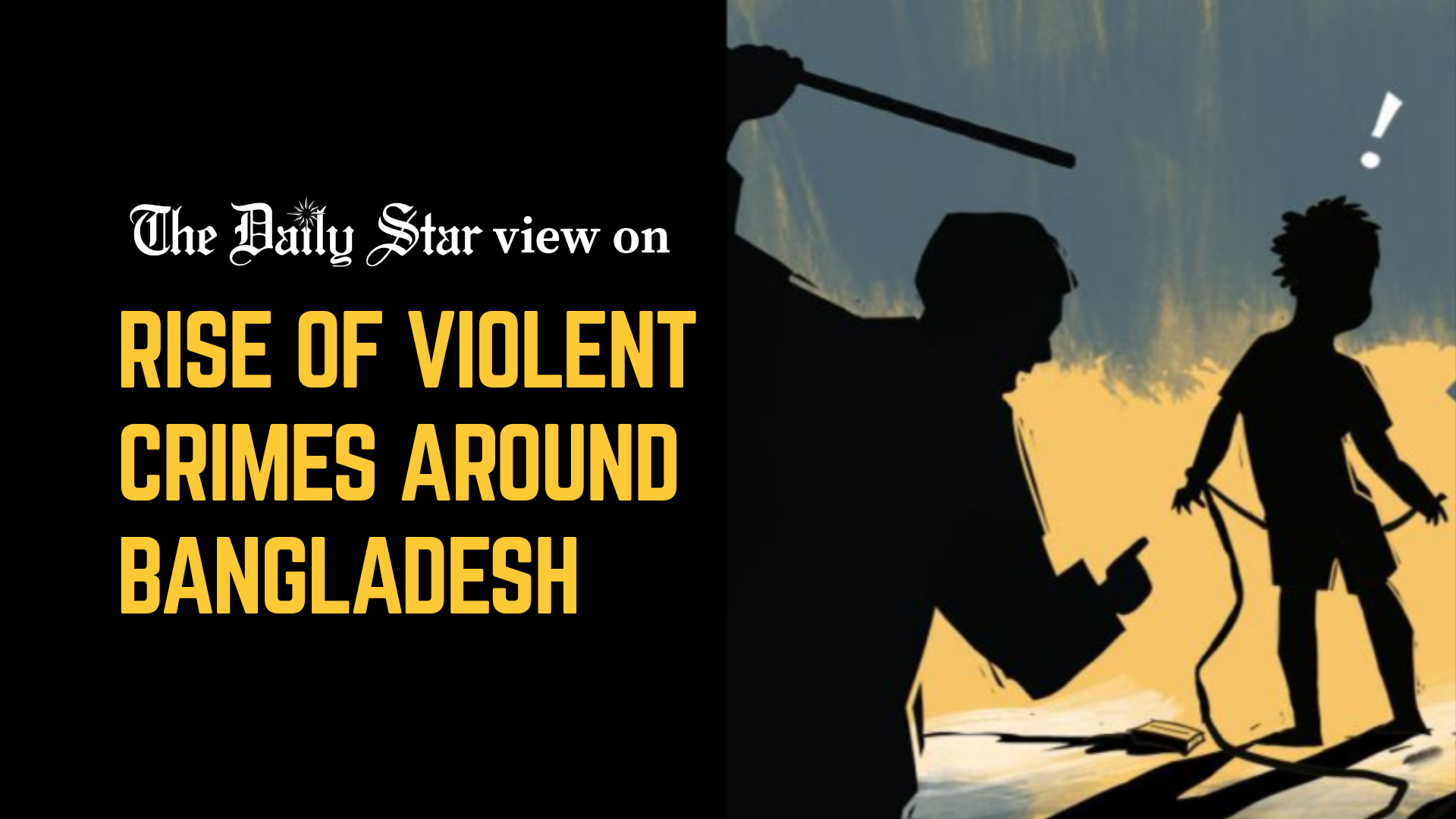
This deterioration has not happened all of a sudden. The gradual slide in the law and order situation has been consistently flagged by the media and civil society organisations, but to little avail. In fact, most of the recent incidents have taken place in broad daylight. A recent police assessment identified organised crime, extortion, juvenile gangs, and circulation of illegal firearms as major challenges. Land disputes, mob violence, and territorial or intra-party rivalries were also identified as major factors. In June, police reported 915 killings around the country between March and May this year, mostly connected to political feuds and underworld rivalries. This means that, during those three months, an average of 10 murders took place every day.
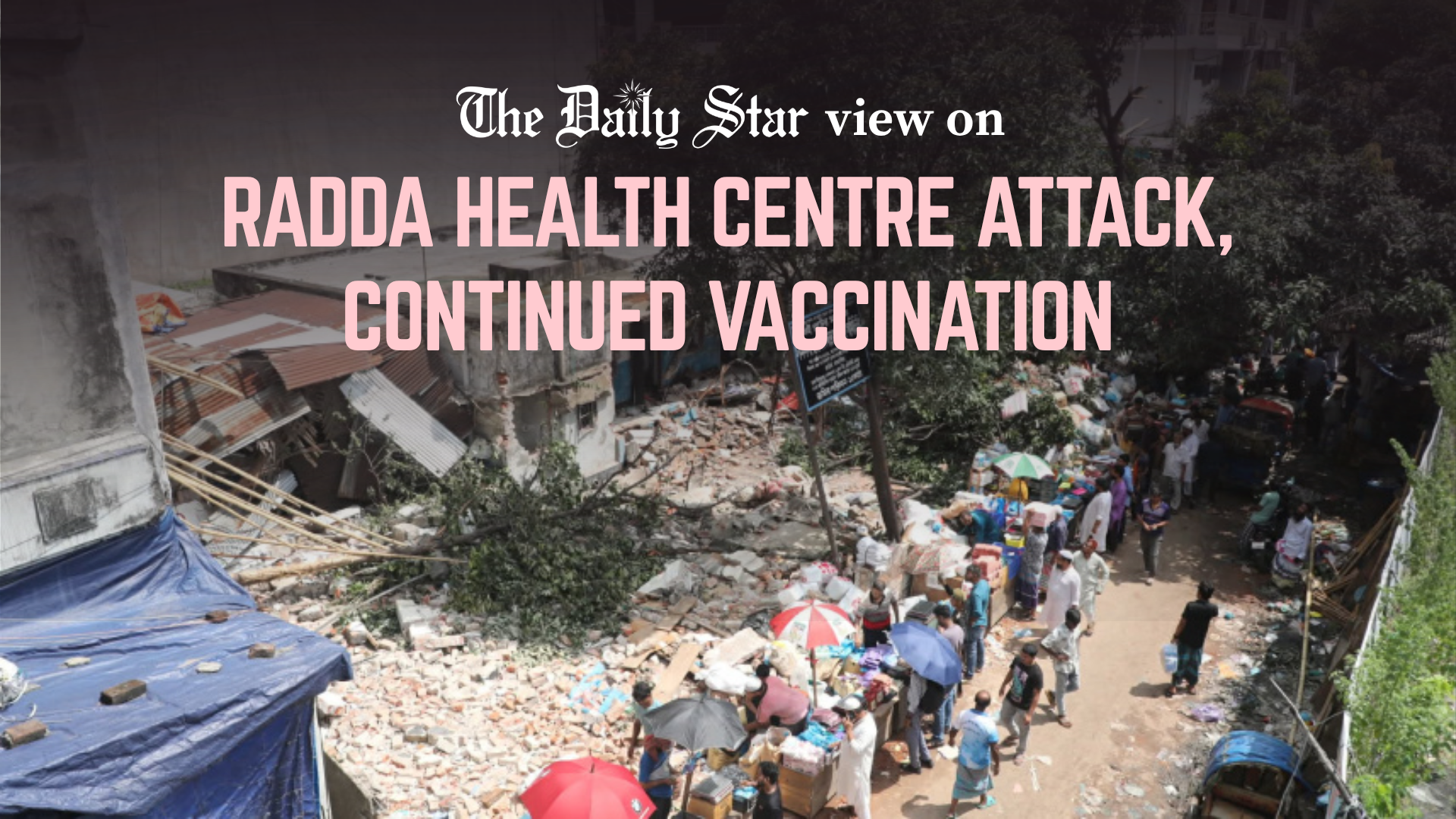
All this paints an alarming picture of the state of public safety. What is equally disturbing is how the police acted during some of the incidents. At Radda, police stood by as attackers loaded the looted goods onto a pickup truck. In Mohammadpur, witnesses said police were present but did not intervene when several hundred goons stormed the plot of land in question, ransacked an office and looted valuables. In Adabor, police took two and a half hours to arrive at the scene. If police appear reluctant or are unable to intervene when armed goons attack, citizens would naturally lose confidence in the state’s ability to protect them.

Equally concerning is the alleged involvement of ruling party cadres in such incidents. In the Radda incident, witness accounts, CCTV footage analysis, and the police’s primary assessment all pointed to several local BNP leaders being part of the attack. This goes to show how serious the situation has become. As the Transparency International Bangladesh has put it, this is indeed “embarrassing” for BNP as it is for the government.

A high-level police committee has proposed a three-phase plan to restore law and order stability, including intelligence-led policing, faster emergency response, CCTV expansion and better investigations. These are welcome proposals, but the government must ensure that they do not become just another list of ineffective measures. We need a comprehensive strategy with clear accountability for both officials and political operators. Police must be able to do their job properly, without any pressure or fear, and negligence must be dealt with seriously. The government must make restoring public safety and confidence a top priority.
 For all latest news, follow The Daily Star's Google News channel.
Comments