


Thrifting can help fix fashion’s environmental problem

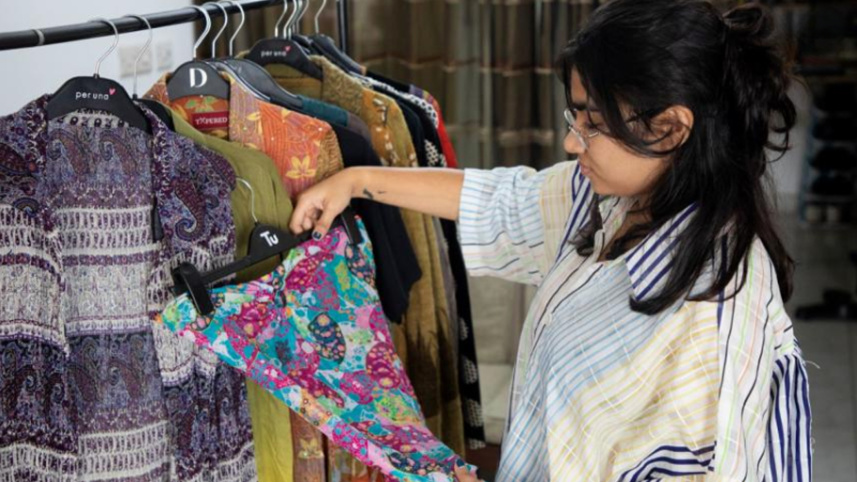
Every year, World Environment Day is observed around the world to remind us that environmental protection is a necessity, not an option. This year’s theme for the day, “Inspired by Nature. For Climate. For Our Future,”highlights an urgent truth: that solving climate challenges requires changing how and what we produce, consume, and live. One area where this change is becoming increasingly visible is fashion. Fashion reflects identity, culture, and creativity, but behind stylish clothing lies environmental damage that consumers often ignore. The fast fashion industry drives waste, resource depletion and emissions, and while no single fix exists, buying secondhand offers a promising path to sustainability.
Thrifting denotes buying pre-owned clothing rather than purchasing newly manufactured items. It includes shopping at thrift stores, vintage shops, online resale sites, local secondhand businesses, and clothing exchanges. Importantly, thrifting represents a shift from the traditional “take-make-dispose” model to a circular economy, where products are reused, repaired, and recycled to remain in use longer.
 For all latest news, follow The Daily Star's Google News channel.
 The rise of thrifting is not accidental. Around the world, particularly among younger generations, secondhand fashion has moved from necessity to lifestyle. Social media decluttering groups have turned thrift culture into a trend linked to creativity, affordability, and environmental responsibility.
Economic realities also contribute to this shift. Rising living costs encourage consumers to search for affordable alternatives without sacrificing quality or individuality. Secondhand clothing often provides access to better-quality garments at lower prices. At the same time, environmental awareness has prompted many people to question whether buying newly produced clothing is sustainable in a world already facing climate-related stress.
These concerns are justified.The global fashion and textile industry carries a significant environmental footprint. The textile industry contributes approximately two to eight percent of global greenhouse gas (GHGs) emissions, consumes a significant amount of water and chemicals during production, and causes extensive pollution. The waste dimension is equally alarming with around 92 tonnes of textile waste being generated globally every year. Clothing production doubled between 2000 and 2015, while the duration of garment use fell significantly by at least 36 percent. In simple terms, we are producing more clothing while wearing it less, and the result is growing waste accumulation, overflowing landfills, and additional environmental pressure.
Fast fashion intensifies this problem. Its business model encourages consumers to purchase frequently and replace garments rapidly. According to a 2023 UNEP estimate, the fashion industry contributes to roughly 10 percent of global carbon emissions, more than the emissions from international flights and maritime shipping combined. Synthetic textiles further contribute to microplastic pollution that enters rivers and oceans, creating long-term ecological risks.
This is where thrifting becomes important. When consumers purchase used-but-wearable clothing, they extend the lifespan of existing garments and potentially reduce GHG emissions by 44 percent. Reusing clothing delays disposal, reduces landfill, and lowers demand for raw materials like cotton, water, energy, and dyes. And by aiming to keep clothing materials in productive use for as long as possible, thrifting also strengthens the circular economy in fashion.
However, portraying thrifting as the ultimate solution risks oversimplifying reality. Secondhand fashion has its challenges too. Many tend to overindulge in thrifted clothes as they are comparatively cheap, hence aiding overconsumption. And as thrifting is commercialised and part of the mainstream fashion scene, profit-driven resale markets continue expanding. Increased demand often drives prices upwards, potentially reducing affordability for lower income communities who traditionally rely on secondhand clothing. An even more complex discussion emerges when considering countries heavily dependent on garment manufacturing sectors, including Bangladesh. Critics may worry that secondhand markets might reduce demand for new clothes, affecting profitability of the RMG sector.
Resisting sustainability shifts could pose bigger risks as global markets prioritise environmental and ethical standards. Future competitiveness may depend on sustainability, not just production volume. The RMG sector could lead by collaborating with secondhand markets, viewing thrifting not as a threat but as a sign of changing fashion systems. Building a sustainable apparel sector may require greater investment in textile recycling, circular manufacturing systems, waste-reduction technologies, eco-certification, and resource-efficient production models.
Nature teaches us an important lesson: nothing valuable is wasted unnecessarily. Natural ecosystems function through cycles of renewal, regeneration, and reuse. Sustainability efforts become stronger when human systems learn from these principles. So, on this World Environment Day, we may benefit from remembering that climate action is not only about large-scale policies, visible climatic and environmental conditions, or technological breakthroughs. It is also about everyday choices. And we can all play our part by choosing durability over disposability, mindful consumption over excess, and choosing systems that value reuse instead of waste.
Samiha Saleha is research officer at the Locally Led Adaptation Programme under the International Centre for Climate Change and Development (ICCCAD). She can be reached at samiha.saleha@icccad.org.
Views expressed in this article are the author's own.
Follow The Daily Star Opinion on Facebook for the latest opinions, commentaries, and analyses by experts and professionals. To contribute your article or letter to The Daily Star Opinion, see our guidelines for submission.
Comments