


Shipbreaking industry needs real oversight
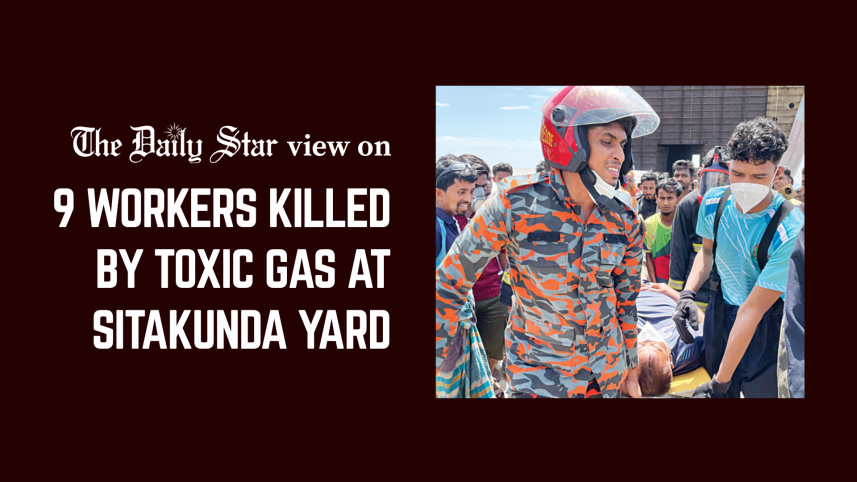
On Friday morning, workers went inside the hull of a decommissioned LNG tanker in a Sitakunda shipbreaking yard, as its management claimed, to investigate a strange smell. The vessel, the MT Rasi, had been under demolition for over a year without apparent incident. Its owner—Ferdous Steel Ship Recycling Industries—insists they followed the rules, while one regulator maintains the ship was inspected and cleared for toxic gas. Yet, nine workers died due to suspected exposure to toxic gas that remained traceable half a kilometre out into the Bay of Bengal, illustrating the gulf between compliance on paper and safety in practice.
What’s puzzling is that, barely a month ago, the Department of Inspection for Factories and Establishments sued Ferdous Steel for failing to ensure occupational safety, following repeated warnings dating back to February. That the company still continued to operate unhindered reflects a regulatory system that fundamentally lacks teeth. Besides, the tragedy struck less than a year after the Hong Kong International Convention for the Safe and Environmentally Sound Recycling of Ships took effect, setting rigorous new global standards for the industry. But such treaties mean little without domestic enforcement. Nothing, evidently, prevented the Sitakunda yard's management from directing workers into an unventilated tank to rush gas extraction, rather than adhering to the slower, safer venting procedures as prescribed by the convention.


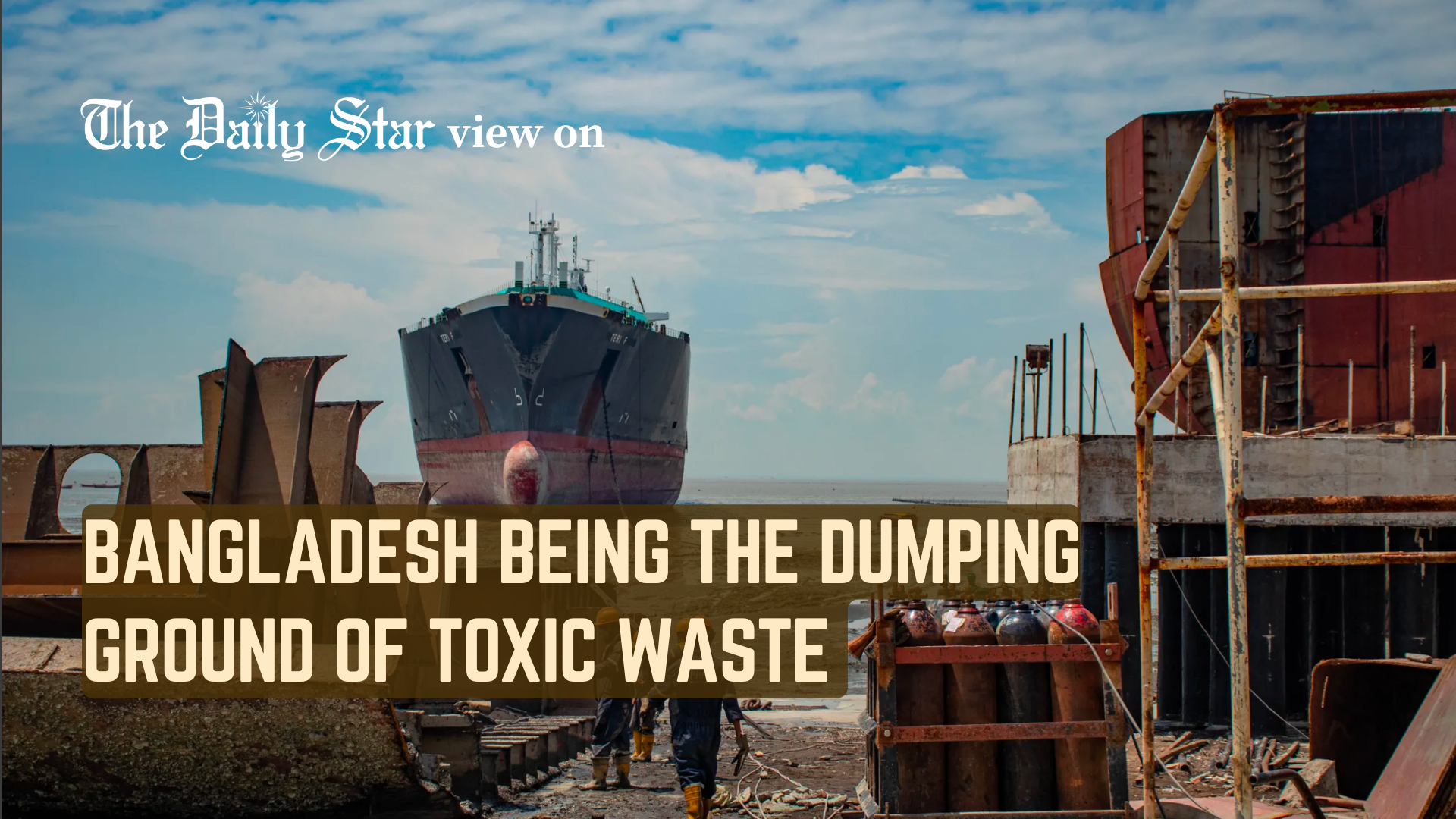
Bangladesh built its position as a ship-recycling hub by undercutting competitors in Europe and the Gulf. Its lower costs were secured through weak environmental and safety enforcement, a reliance on casual, undertrained labour, and relentless pressure to keep yards running at full pace. The Chattogram coastline’s reliance on tidal beaching—running vessels aground to dismantle them largely by hand—is inherently more hazardous than the dry-dock alternatives used elsewhere. The result is, since 2014, 161 workers have died in Sitakunda’s shipbreaking yards, including a dozen this year.
The operational failures at Friday’s accident site were quite dismal. According to witnesses, workers entered the gas-filled hold without basic masks or breathing apparatus. Even an assistant safety engineer, who died attempting to rescue workers he was hired to protect, lacked the necessary safety gear. While the court case against Ferdous Steel must proceed transparently, regulators must shift from paper audits prior to certification to active, operational verification. Bangladesh’s factory inspectorate must suspend a yard’s operating licence immediately when serious safety notices are ignored, rather than waiting months for court actions to unfold. Crucially, inspections must be unannounced and conducted during demolition work.
Meanwhile, the Tk 10 lakh compensation per victim does nothing to explain why workers were sent into a hazardous environment wholly unprotected in the first place. What the state needs instead is a compensation system built on mandatory, risk-rated insurance funds that yards must carry as a condition of licensing, so redress doesn't depend on a disaster making the news. Accountability must also extend beyond Bangladesh. Global shipping lines choosing where to scrap end-of-life vessels, and the buyers purchasing the resulting steel, must practice genuine due diligence. A ship’s environmental and social footprint depends as much on how it is broken up as on how it was built. Finally, shipowners and yard operators cannot be left unpunished. Otherwise, human lives will continue to be treated as an acceptable cost of doing business.
 For all latest news, follow The Daily Star's Google News channel.
Comments