


Rohingyas' plight is getting harder to address with shrinking funds
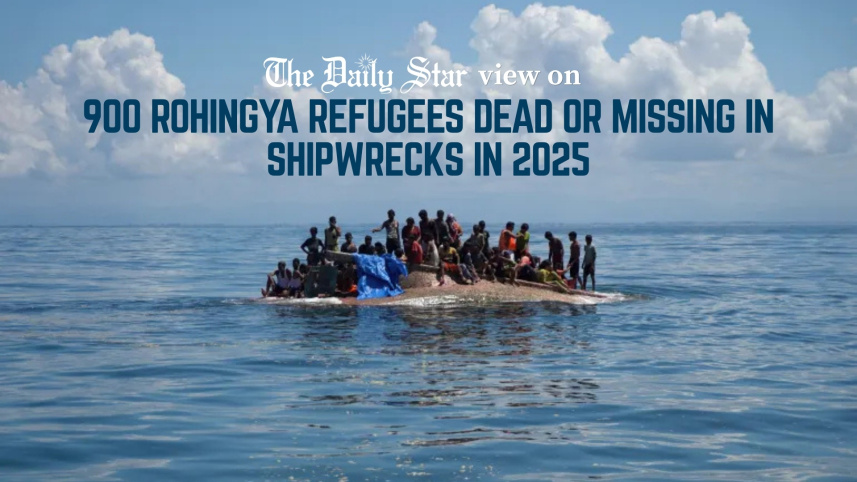
At least 900 Rohingya refugees were reported dead or missing in the Bay of Bengal and Andaman Sea in 2025. The number, revealed by the United Nations refugee agency, UNHCR, accentuates the increasingly wretched circumstances the Rohingyas find themselves in as they continue to live in camps in Bangladesh with no hope of repatriation in sight. While Bangladesh, with the help of international and local donors and organisations, is hosting more than one million Rohingyas, the recent drastic cuts in international funding and the influx of more than 150,000 Rohingyas since last year, fleeing the latest civil war in Myanmar, have worsened the crisis.
The birth of thousands of babies in the camps every year since 2017 has also increased the Rohingya population significantly. The World Food Programme (WFP) is now struggling with critical shortfalls in funding, forcing a reduction in food assistance from $12 per person per month to a three-tiered system where $12, $10, and $7 are given based on their perceived levels of vulnerability. This has exacerbated hunger and malnutrition. In 2025, 6,400 learning centres were closed down, leaving more than 400,000 children with no access to education. More than 4,000 Rohingya teachers lost their jobs along with their Bangladeshi colleagues.

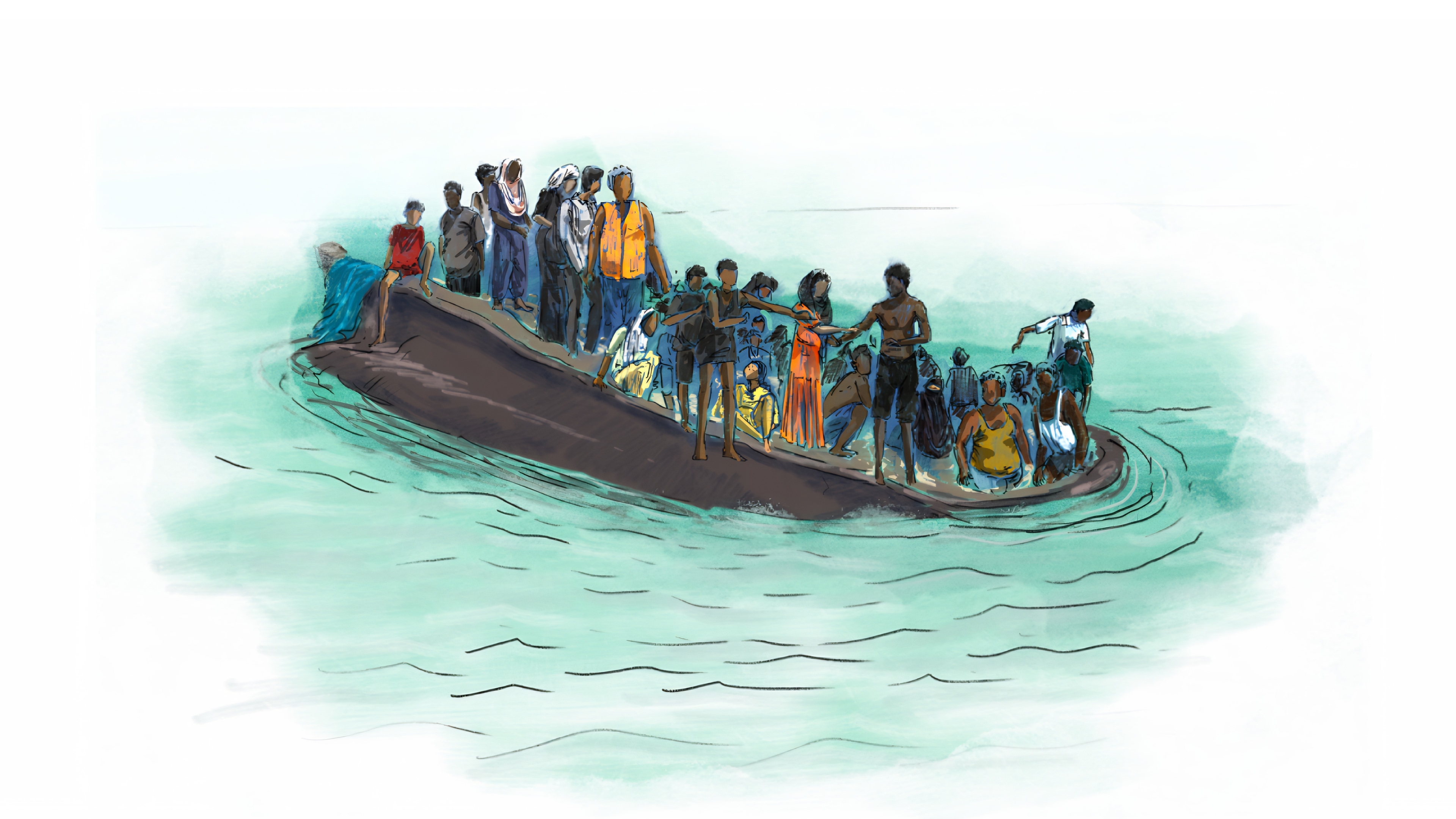
The funding shortfall is attributed to the drastic reduction in humanitarian aid by the US, which provided over half of the total funding for Rohingyas in the last few years. This year, more than 2,800 Rohingyas have attempted hazardous sea journeys in the hope of reaching Malaysia or Indonesia. Over half of those who make these journeys are women and children who run the risk of being trafficked.
At this time, Bangladesh and all donor agencies must put pressure on the international community to increase funding and find long-lasting solutions. The US-Israel war on Iran has made it even more challenging to raise funds. But the global community must realise that the burden of the Rohingya crisis is not Bangladesh’s to bear alone, but rather a collective responsibility. Until the crisis is solved, the Rohingyas will continue to make these dangerous journeys, with many of them dying and thousands ending up on the shores of other countries, which will then have their own refugee crisis to handle.
These countries as well as other influential global players must get together and join Bangladesh to stop these deadly journeys. Funds must be increased for food, education, and medical care in the camps. Learning centres and skills training centres must be reopened. The Rohingyas must be given opportunities to earn within the camps. The government must also enhance security, especially for women and children. Human trafficking agents must be identified and given appropriate punishment. As challenging as it is, until the civil war in Myanmar ends, Bangladesh may continue to host the refugees who are already here, but resettlement of some Rohingyas to other countries, and their eventual repatriation to Myanmar, must be on the cards.
 For all latest news, follow The Daily Star's Google News channel.
Comments