


Measles vaccination being hobbled by neglect
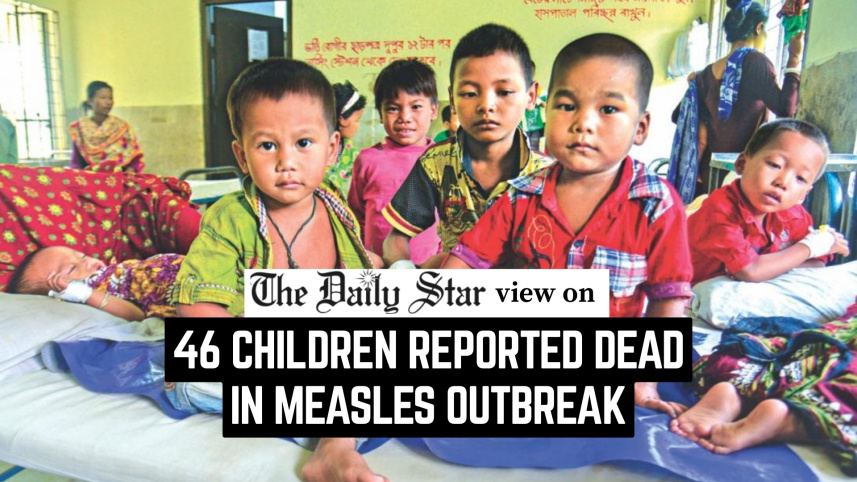
There is something particularly cruel about a child dying of measles. The disease is ancient, the vaccine usually reliable, and the science unambiguous. This disease can be beaten cheaply. Yet, children are dying of it again—at least 46 as of March 29 this year, with new deaths being reported at overwhelmed hospitals in Dhaka and beyond.
The facts coming to the surface are grim. The Infectious Diseases Hospital in Mohakhali has reportedly received 560 suspected measles patients this year alone. Twelve children died at Rajshahi Medical College Hospital this month; five at Mymensingh Medical College Hospital; six at Bangladesh Shishu Hospital; three in Chapainawabganj. The true toll is almost certainly higher, because health authorities themselves admit they lack comprehensive data on measles-related deaths.

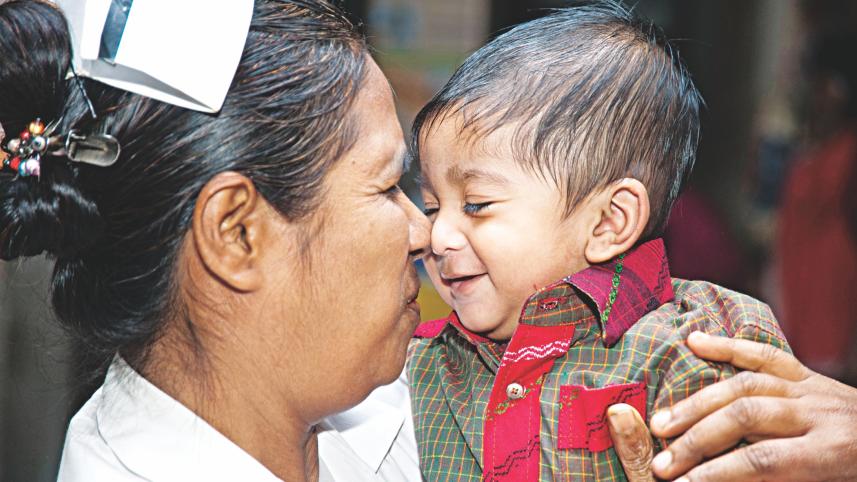
Worse still, the central vaccine warehouse is running short of routine vaccines for tuberculosis, hepatitis B, polio, pneumonia, the combined measles-rubella jab, and the vaccine for tetanus and diphtheria in women, according to a report by Prothom Alo. Only three vaccines remain in adequate supply. Meanwhile, in 37 of the 64 districts, 45 percent of frontline health workers are simply absent. The country's vaccination programme also depends on 1,326 porters who transport jabs daily in special containers from local centres; those porters have not been paid for nine months. The system is thus being disrupted in various ways.
Measles is a disease of gaps—gaps in coverage, in funding, in political attention. Bangladesh's routine immunisation reaches 90 to 92 percent of children, which sounds impressive until one does the arithmetic. With roughly 30 lakh births per year, that residual 8 to 10 percent represents hundreds of thousands of unvaccinated children accumulating annually. The special vaccination campaigns held every few years exist precisely to mop up these accumulated gaps, but the last such campaign was conducted in 2020; the next, planned for 2024, a year of political turmoil, was cancelled. Vitamin A and deworming campaigns, which strengthen children's nutritional resilience against measles complications, were also suspended. Regular services were disrupted three times in a single year by strikes among health assistants. None of this happened overnight. Each failure was the product of decisions deferred, warnings unheeded, and budgets cut.
Under the previous procurement arrangement, Bangladesh bought vaccines relatively swiftly, with Unicef and Gavi facilitating fast-tracked purchases. In August 2025, the interim government abolished this system without having a replacement ready. Since then, every step of the process—drafting new project documents, securing approvals, appointing a project director, releasing funds—has stalled. What should the new government do then?
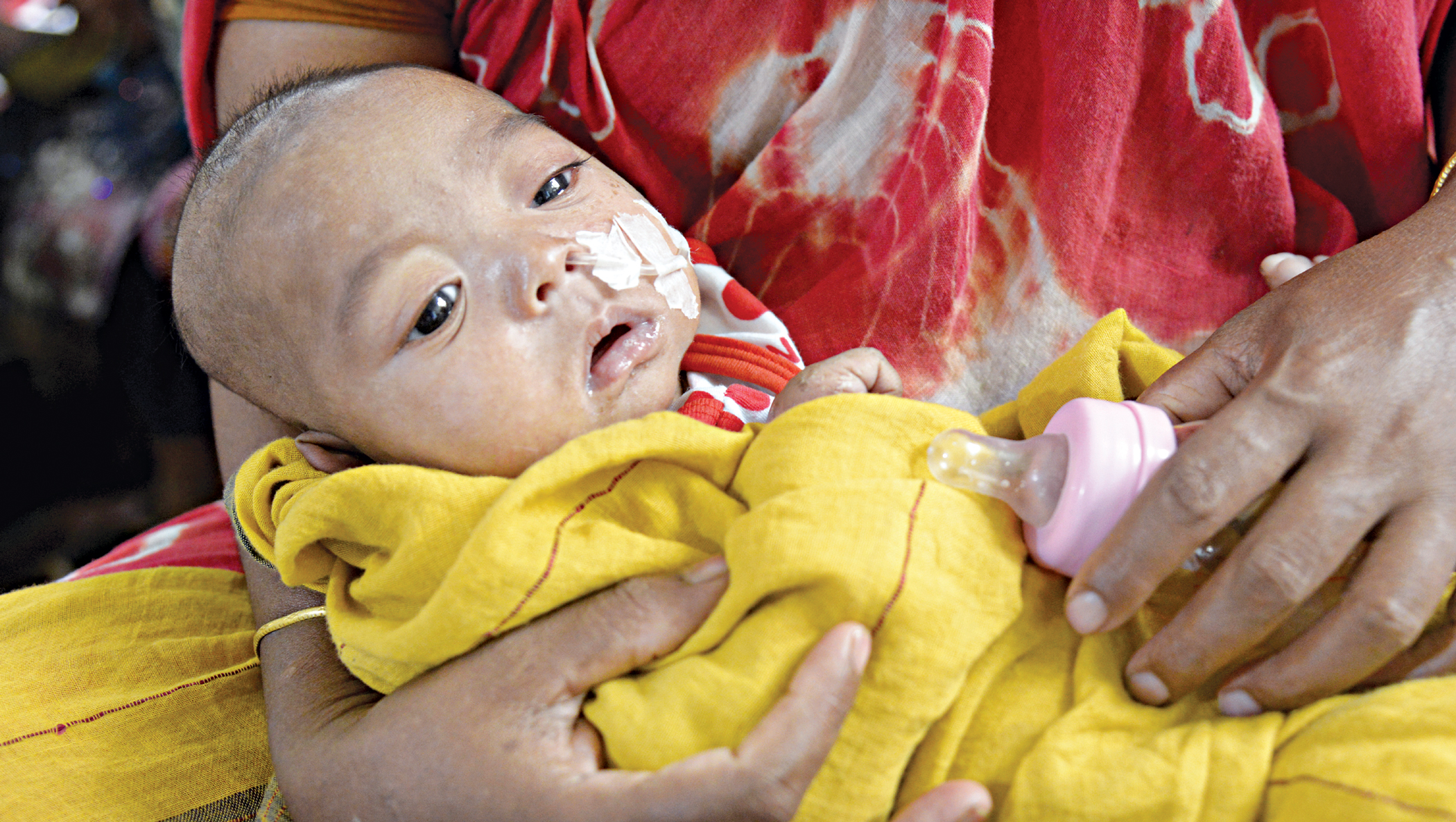
First, the finance ministry must release proper funds immediately. The recent approval of a Tk 604 crore vaccine procurement proposal is welcome, but approving a budget line is not the same as getting jabs into arms. A functioning procurement mechanism therefore must be in place. Field staffing gaps in different districts must also be filled. Coverage data must be disaggregated to pinpoint exactly where immunity has lapsed. And those responsible for managing the health system must be held accountable. Otherwise, more children will die from a disease that should have been under control.
 For all latest news, follow The Daily Star's Google News channel.
Comments