


Hold those liable for Milestone tragedy
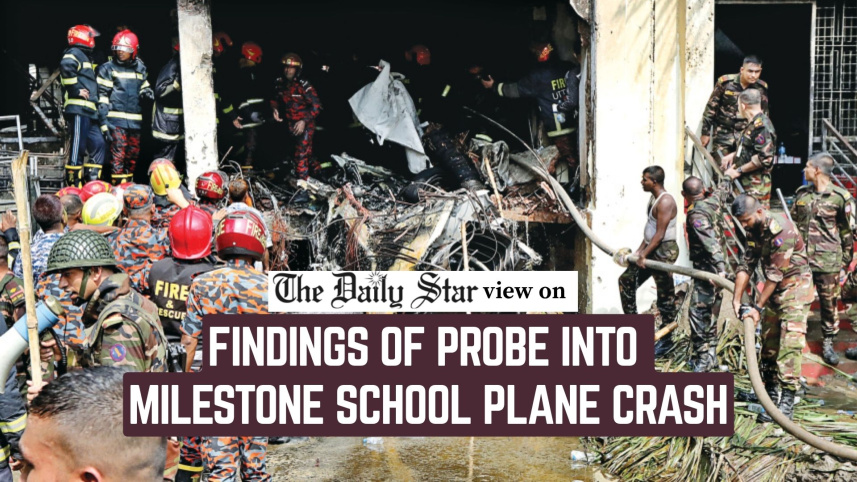
The findings of the official investigation into the Milestone School and College tragedy are a grim reminder of systemic failures on several fronts, particularly the continued allowance of schools, residential buildings, and other structures within a flight path designated by the civil aviation authority. The probe commission concluded that the crash of the Air Force training aircraft FT-7BGI resulted from human error stemming from inadequate training and supervision. According to the commission's unpublished report, obtained by this newspaper, the investigators also warned about the well-known risks posed by densely populated establishments near airport runways. Regrettably, those risks remain unaddressed, as there has been no visible official action to remove such hazards.
The commission rightly called for action against those responsible—not only within the Air Force but also among the authorities entrusted with urban planning, land use, and enforcement of building regulations. It is regrettable that the report, submitted to then Chief Adviser Prof Muhammad Yunus on November 4 last year, has not been made public. Its release would have enabled the victims' families and the public to assess whether the government has taken meaningful corrective measures and ensured accountability.

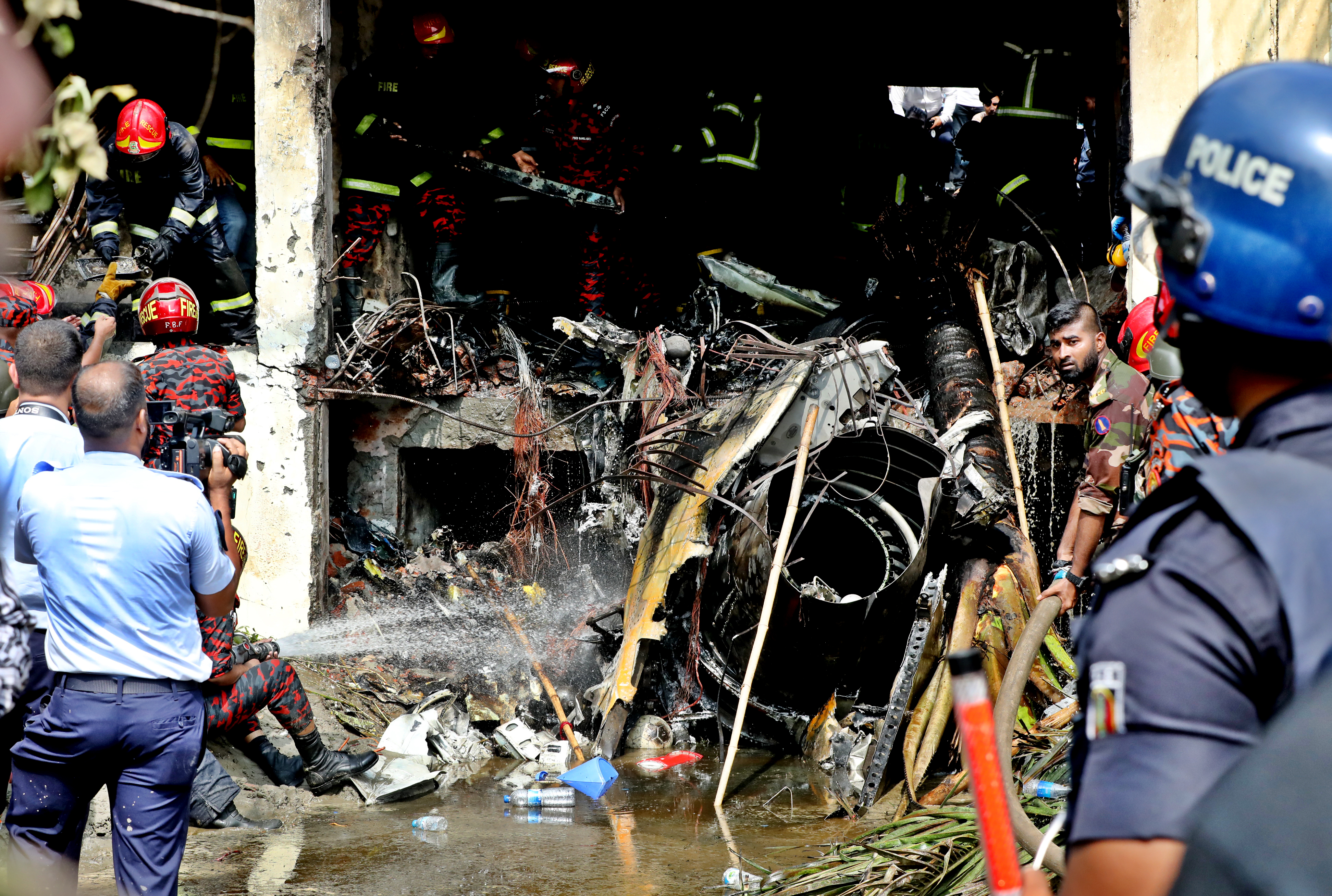
There have been several accidents involving Air Force training flights in the past, but none had occurred over a densely populated civilian area. Consequently, previous investigations remained largely confined to the Air Force's internal administrative processes. The Milestone School and College crash of July 21, 2025, was the first Air Force training flight accident to cause mass civilian casualties, claiming 36 lives, including 28 school students.
A separate report by BBC Bangla cited observations by the Fire Service and Civil Defence Department that the Haider Ali Building, into which the aircraft crashed, was itself unsafe. Given its occupancy and intended use, the building required three staircases but had only one. Its corridors were also two feet narrower than the minimum required width of four feet. The commission further noted that the school authorities failed to produce documents proving that the building had received official approval. Although the authorities had reportedly pledged to demolish the Haider Ali Building and seek approval for other unauthorised structures, they continued to use them.

The probe report was equally critical of Rajdhani Unnayan Kartripakkha (Rajuk), noting that despite being aware of unauthorised buildings at the school and the illegal use of some structures as dormitories, Rajuk failed to take action. The commission also noted Rajuk’s failure to regulate land use around the airport effectively, which is the result of abuse of power and the influence of vested interests. This culture of impunity must end. Rajuk should immediately remove all unauthorised structures, particularly those identified by the civil aviation authorities as posing risks to the safety of both commercial and military aviation.
The government must act without further delay to hold accountable all those responsible for this tragic loss of life. It must also ensure that building codes, land use regulations, and safety standards are enforced rigorously and impartially, free from political pressure or undue influence. Only through meaningful accountability and strict enforcement can similar tragedies be prevented in the future.
 For all latest news, follow The Daily Star's Google News channel.
Comments