


End the motherhood penalty at work
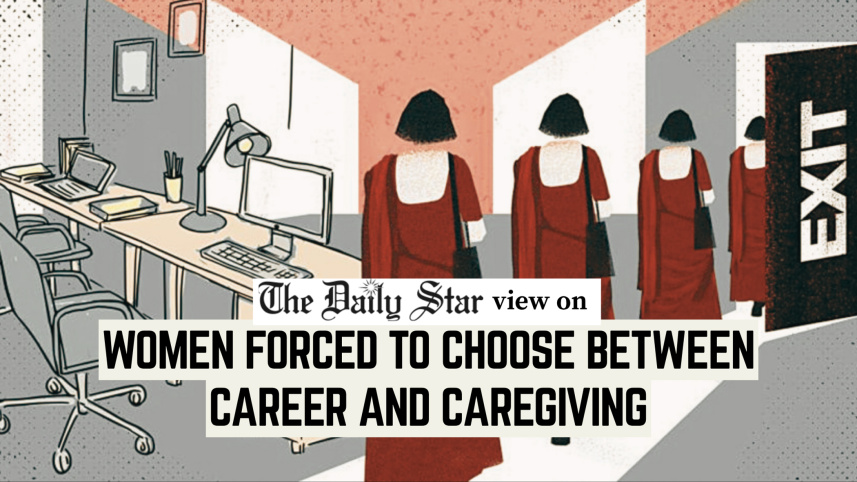
It is utterly frustrating that thousands of experienced women in the country are being pushed out of the workforce at the very stage when they are ready to assume leadership roles. A recent report by this daily shows how many women are forced to choose between their careers and caregiving responsibilities because of inadequate childcare support, inflexible workplaces, and unequal burdens at home. Over the past decades, the country has made significant progress in women’s education, but that progress has not been fully translated into economic advancement in the absence of a conducive, women-friendly environment at workplaces.

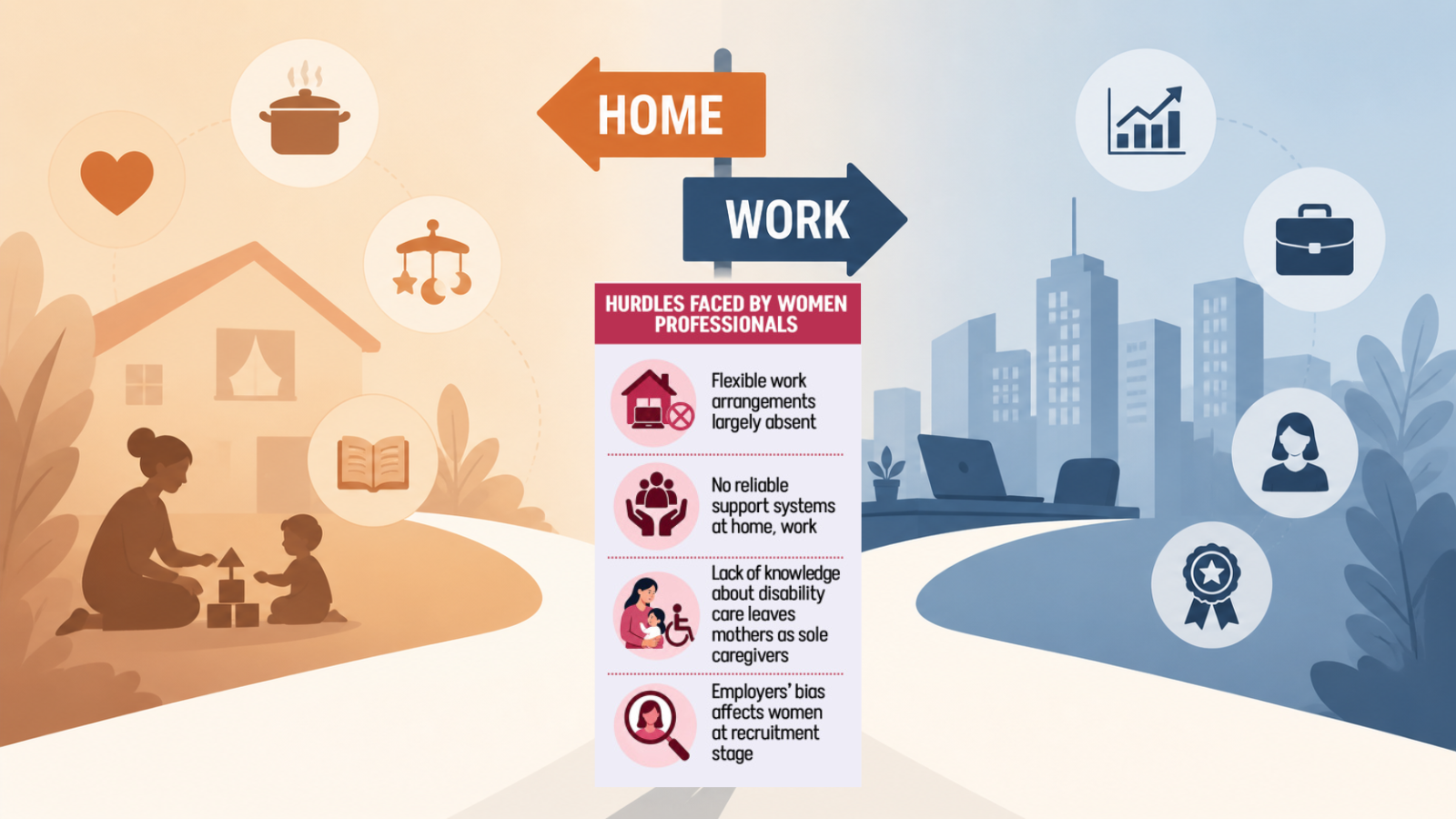
The story of Feroza Ahmed, as reported in this daily, reflects the widespread reality of many women in the workforce. Despite having more than a decade of experience and a successful media career, she had to leave her job after the birth of her second child. While she successfully managed her department remotely during the pandemic, no hybrid or part-time option was offered to her when she needed it most. Such experiences are common across sectors, where motherhood often becomes a penalty for women.
According to a BRAC study, nearly 75 percent of 1,200 mid-career women now seeking employment had previously quit jobs due to domestic responsibilities or motherhood. Meanwhile, a Bangladesh Bureau of Statistics Time Use Survey found that married women perform 7.3 times more unpaid care work than men. These numbers expose how women continue to shoulder a disproportionate share of unpaid work while being expected to compete equally in the formal job market. The country loses valuable human capital as trained women professionals leave work. It is telling that less than seven percent of managerial roles in the country are currently held by women.
We therefore urge the government to formulate the necessary policies to create an environment where women do not have to leave their careers midway. Childcare and caregiving services must be expanded so that women from all economic backgrounds can access these services. Community-based and affordable day-care centres, certified caregiving services, workplace childcare facilities, flexible work arrangements, paid parental leave, and inclusive support for mothers of children with disabilities are all essential. Equally important is raising awareness and challenging the deep-rooted notion that caregiving is solely a woman’s responsibility. A 2024 ILO report suggests that investing 3.99 percent of GDP in care sectors could create around 70 lakh jobs in Bangladesh by 2035, with 91 percent formal roles for women. If we are serious about economic growth, productivity, and equality, we must build a care economy that allows mothers to thrive at home and work.
 For all latest news, follow The Daily Star's Google News channel.
Comments