


Doubts swirl as US, Iran ink interim deal
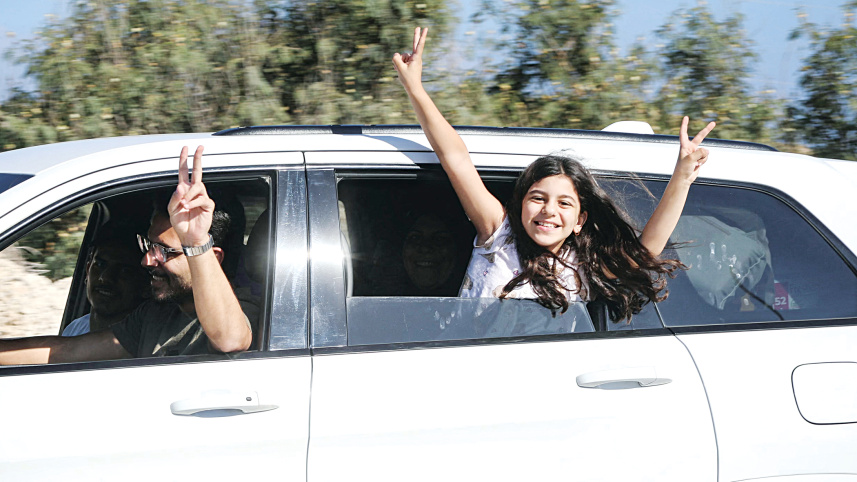
The US and Iran said they have agreed terms to end the Middle East war on all fronts and reopen the Strait of Hormuz, news that brought relief to markets worldwide, although the pact may hinge on events in Lebanon and tricky talks on Tehran’s nuclear programme.
The framework deal marks the biggest breakthrough towards resolving a war that began with joint US-Israeli strikes on Iran in February before escalating into a wider regional conflict that has killed thousands, upended energy markets and stoked recession fears for the global economy.

“The Deal with the Islamic Republic of Iran is now complete,” US President Donald Trump wrote on his Truth Social platform at around 5:30pm in Washington (2130 GMT) on Sunday.
The memorandum of understanding is scheduled to be officially signed on Friday in Switzerland.
Leaders around the world welcomed the announcement as details of the terms began to emerge.
However, doubts remain over the implementation of the deal. Israel, which has described the agreement as catastrophic, said it will not withdraw its troops from Lebanon, Syria, and Gaza -- a demand Iran considers integral to the framework agreement reached with the US.
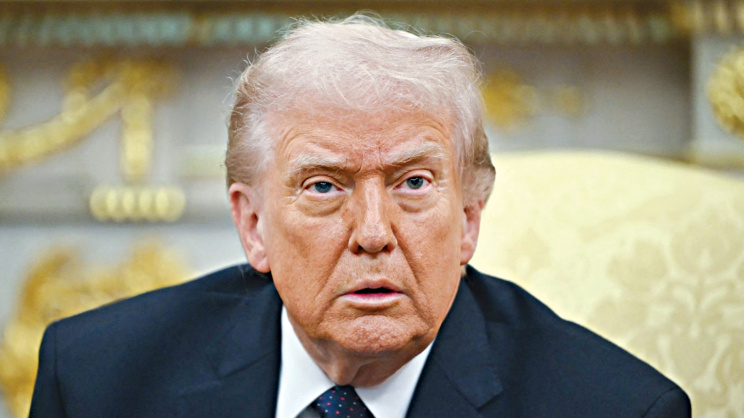
Congratulations to all! … Ships of the World, start your engines. Let the oil flow!
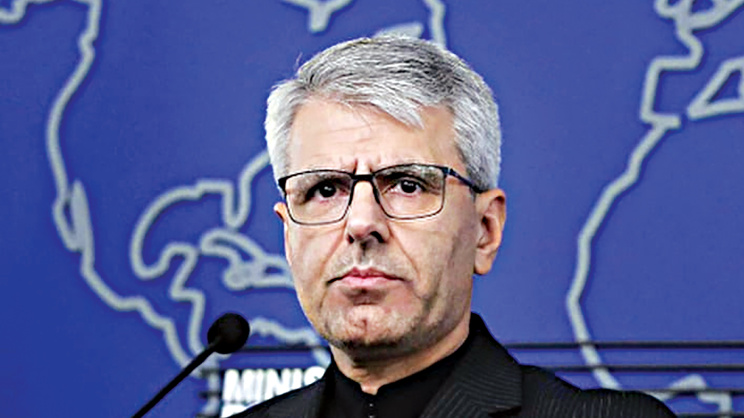
The US still has a long way to go before it can earn the trust of the Iranian people.
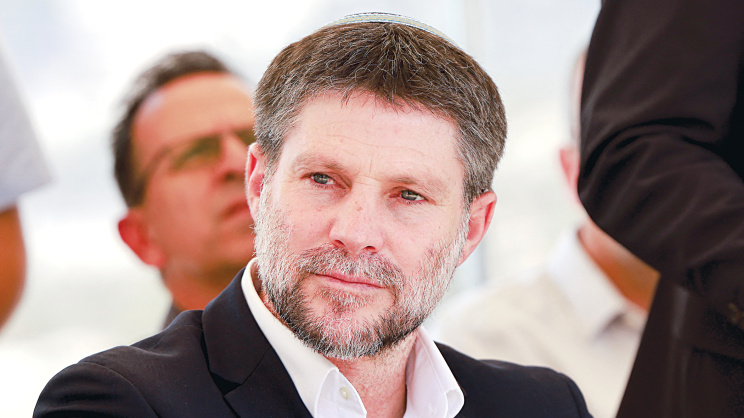
We will have to continue the campaign to bring down the [Iranian] regime ourselves, using creative means.
The reopening of the Strait of Hormuz could be another stumbling block. US President Donald Trump said the strait would reopen “toll-free”, but Iran said it would charge maritime service fees on ships transiting Hormuz, rather than impose tolls, under the framework deal with the US.
Iran’s foreign ministry yesterday said that Tehran still holds “deep mistrust” of the US despite the agreed framework.
“The United States still has a long way to go before it can earn the trust of the Iranian people,” foreign ministry spokesman Esmaeil Baghaei said, adding that the framework was “merely a step towards reducing tensions”.
Though the text was not yet published, its apparent call for hostilities to cease more broadly could be tricky for Israel, which was not part of the negotiations and has been waging war in Lebanon against the Iran-aligned Hezbollah group.
“Lebanon is an integral part of the agreement to end the war,” Baghaei said, adding the text calls for an end to war on all fronts.
Leaders of the Group of Seven wealthy nations, including Trump, arrived at a French lakeside resort yesterday.
While the US and Iran had largely ceased hostilities in early April to engage in negotiations, fighting has not ceased in Lebanon.
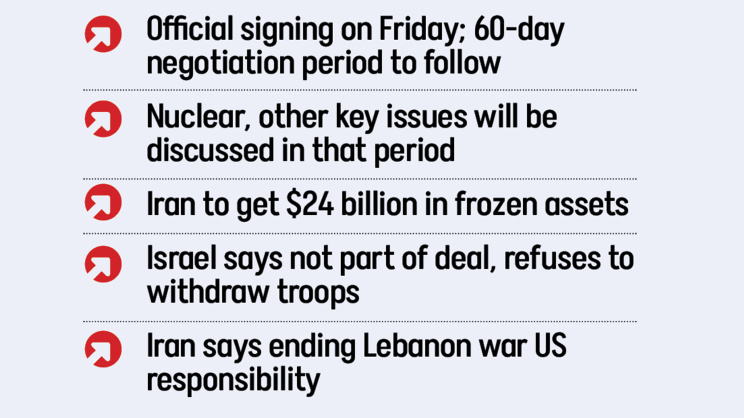
Iran’s Foreign Minister Abbas Araghchi said there must be a complete halt to Israeli attacks against Lebanon and wrote on Telegram that the US bears responsibility for implementing the framework deal.
 For all latest news, follow The Daily Star's Google News channel.
 Trump said before the memorandum was announced that there should be no more Israeli attacks on Lebanon or Hezbollah attacks on Israel.
Later, Israeli Prime Minister Benjamin Netanyahu said that the country’s forces would remain in Gaza, Lebanon and Syria “for as long as necessary”. He also vowed to do everything necessary to prevent Iran from obtaining a nuclear weapon.
Israeli figures across the political spectrum yesterday slammed the deal, saying it would not protect their country’s security.
“Trump’s agreement does not bind us... we are not party to this agreement. It does not safeguard our security,” said National Security Minister Itamar Ben Gvir.
Finance Minister Bezalel Smotrich also echoed the sentiment, calling the deal “bad for Israel”.
“The joint (US-Israeli) campaign achieved many successes in weakening Iran, and those achievements have not been in vain,” Smotrich said.
“We will have to continue the campaign to bring down the regime ourselves, using creative means, and ensure that Iran never acquires nuclear weapons.”
Trump said the Strait of Hormuz, a major shipping route for global oil and gas supplies that Iran has effectively shut for months, would open on Friday, and that he had ordered the end of a US blockade of Iranian ports.
“Ships of the World, start your engines. Let the oil flow!” he wrote on Sunday. Yesterday, he said traffic was already resuming: “Ships are starting to move, many loaded up with Oil, out of the Strait of Hormuz.”
Later in the day, he, alongside President Emmanuel Macron in France, said the deal with Tehran was “all signed”, without elaborating on whether Iran also signed the document.
The US president said that Iran will receive sanctions relief only if it “does what they’re supposed to do”.
The US president reiterated that Iran will not be allowed to have nuclear weapons. “They agreed to that,” Trump said, adding that “strong policing” will enforce the agreement.
“Hopefully it’s going to be a good relationship … and if we don’t, we go back to where we started,” he said.
The announcement also brought relief at market opening yesterday. Oil prices plunged nearly five percent, with West Texas Intermediate approaching $80 a barrel for the first time since early March.
Iran’s military hailed the agreement as a victory, claiming that it had “humiliated” the US and Israel in the war that began on February 28 with their massive campaign of airstrikes.
Iran’s Mehr news agency reported that the US would release $12 billion in frozen assets to Iran before the start of negotiations.
It quoted a 14-point “memorandum of understanding” between the two nations, which it said stipulated “the release of 24 billion dollars in frozen Iranian assets during the 60‑day negotiation period” that begins after the MoU is signed.
The Trump administration didn’t immediately comment on the details, which may prove contentious as the US presses its effort to end Tehran’s nuclear ambitions and deal with its stockpile of highly enriched uranium -- said to have been buried by US strikes last year.
In an interview with the New York Times on Sunday, Trump said the US was still negotiating whether Iran would suspend its enrichment for 20 years. He hinted that he might settle for a 15-year suspension, but said he did not want to negotiate via the press.
The announcement of the deal sparked relief in the region and beyond, with UN Secretary-General Antonio Guterres calling it a “critical step” toward resolving the war.
Saudi Arabia, which Iran repeatedly targeted during the war, welcomed the deal, adding that a lasting agreement would be one that “takes into consideration the security interests of regional states”.
Egypt said the deal could be a “turning point” while Pakistan’s Prime Minister Shehbaz Sharif called it a “historic step towards peace”.
The United Kingdom, France, Germany and Italy said they were prepared to lift sanctions imposed on Iran and will work “with the US, Iran and regional partners to seize this moment, maintain momentum and achieve a long-term diplomatic settlement.”
Comments