


Unite to shield press freedom
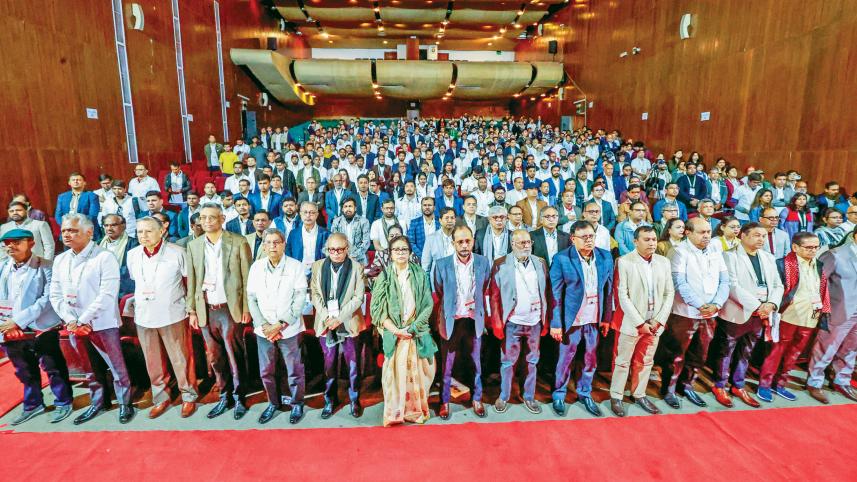
Journalists yesterday slammed the government for failing to protect media houses and workers from mob violence, saying stalled reforms and bureaucratic inertia have left the press more vulnerable than ever.
Warning that a fragmented media remains an easy target for political intimidation and physical violence, top editors and journalists at the Media Convention 2026 called for national unity to keep the country on a democratic path and protect media freedom.

This was the first edition of the convention, jointly organised by the Newspaper Owners’ Association of Bangladesh and the Editors’ Council at the Krishibid Institution, Bangladesh auditorium in Dhaka, to protest sustained attacks on freedom of expression and democratic values.
Speakers said assaults on the media stand in stark contradiction to the spirit of the July uprising.
“By invoking the ‘July spirit’ to justify violence, they [attackers] are actually trying to destroy the core democratic spirit of that movement,” said Nurul Kabir, president of the Editors’ Council and editor of the daily New Age.
“When media institutions are attacked or silenced, the rights of the whole society are bound to be obstructed.”
He said, “I will carry a lifelong trauma knowing that the attack on The Daily Star was not merely an attempt to destroy a physical building, but rather medieval brutality … They [attackers] deliberately set a building on fire while staffers were still inside, and then prevented the fire service from intervening.
“Regardless of whether you agree with the editorial stance of The Daily Star, you must realise that if this attack is allowed to happen today, it will be your turn next.”
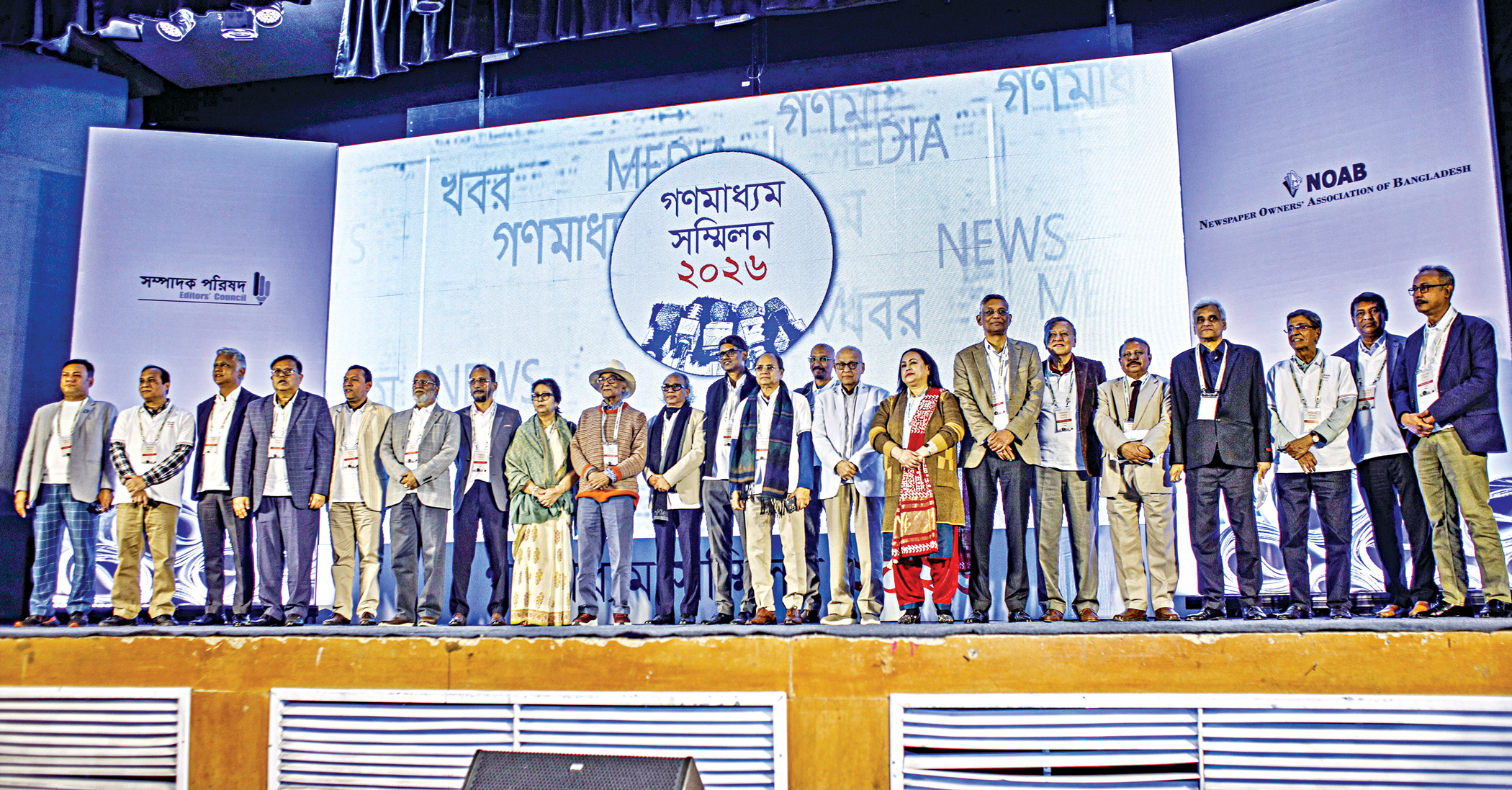
Noab and Editors’ Council members pose for a group photo at the Media Convention 2026, held yesterday at the Krishibid Institution Bangladesh auditorium.
Ahmed Noor, editor of the local daily Sylhet Mirror, questioned the government’s role during the mob attacks on media houses.
“The chief adviser’s press secretary claimed that by the time the government could send law enforcement, the damage was done. Are we simply expected to take the press secretary at his word? Did they not have access to intelligence reports that might have predicted or even prevented such violence?
“If these high-profile institutions in the capital can be targeted with such impunity, who will be there to protect us if we are attacked in the districts and remote areas?”
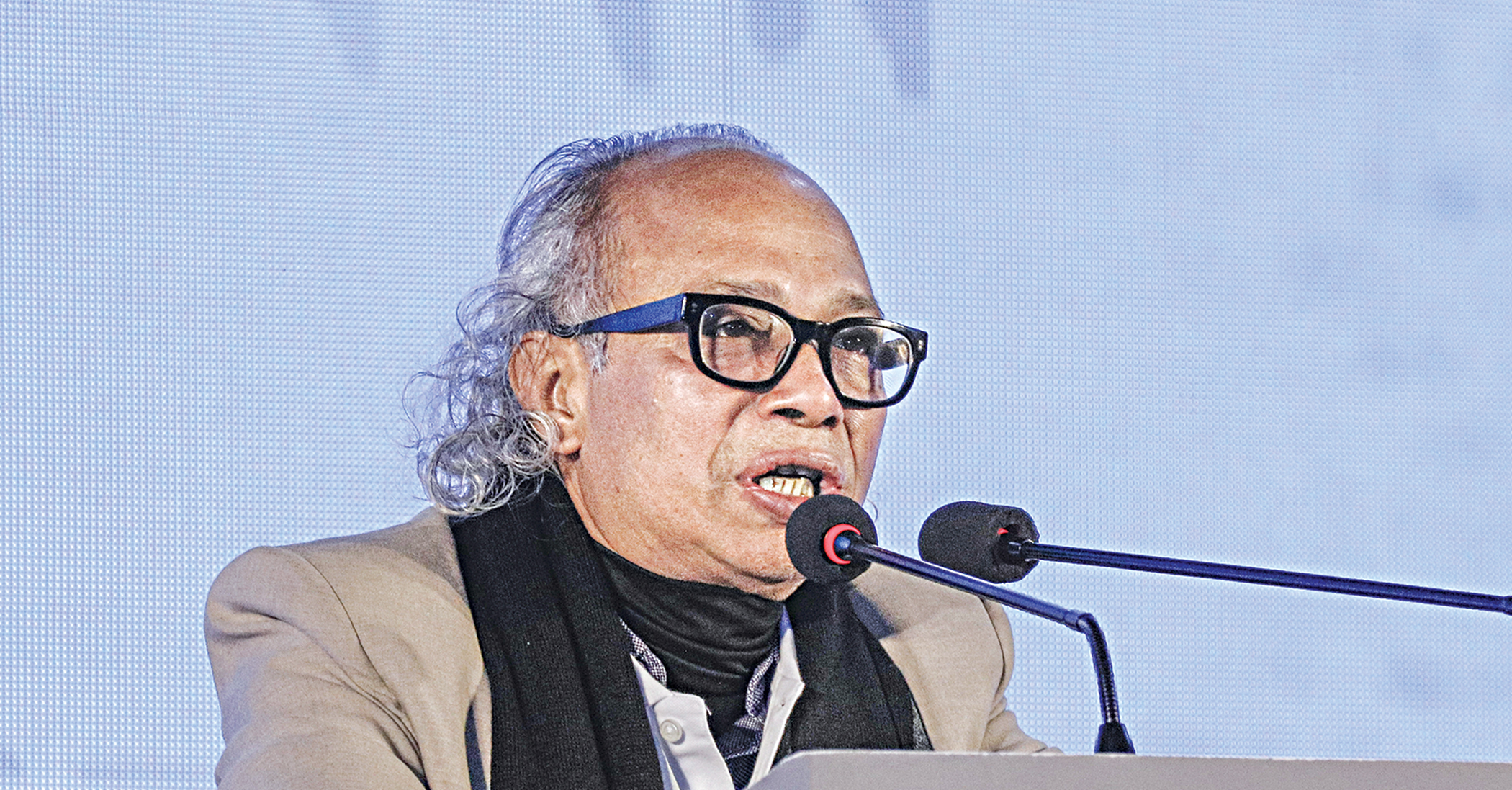
Regardless of whether you agree with the editorial stance of The Daily Star, you must realise that if this attack is allowed to happen today, it will be your turn next.
Mamtaz Shirin Bharosha, editor of Dainik Juger Alo from Rangpur, reminded journalists that the fight for press freedom is often lonelier and more dangerous beyond the capital.
“The previous government was responsible for setting fire to our offices, yet to this day, we have not received justice.”
Kaler Kantho’s Brahmanbaria Correspondent Gowranga Debnath said local journalists live under constant threat.
“I faced four cases during the Awami League era, but now I am being tagged. For those of us working in the districts, the threat is constant and the protection is minimal.”
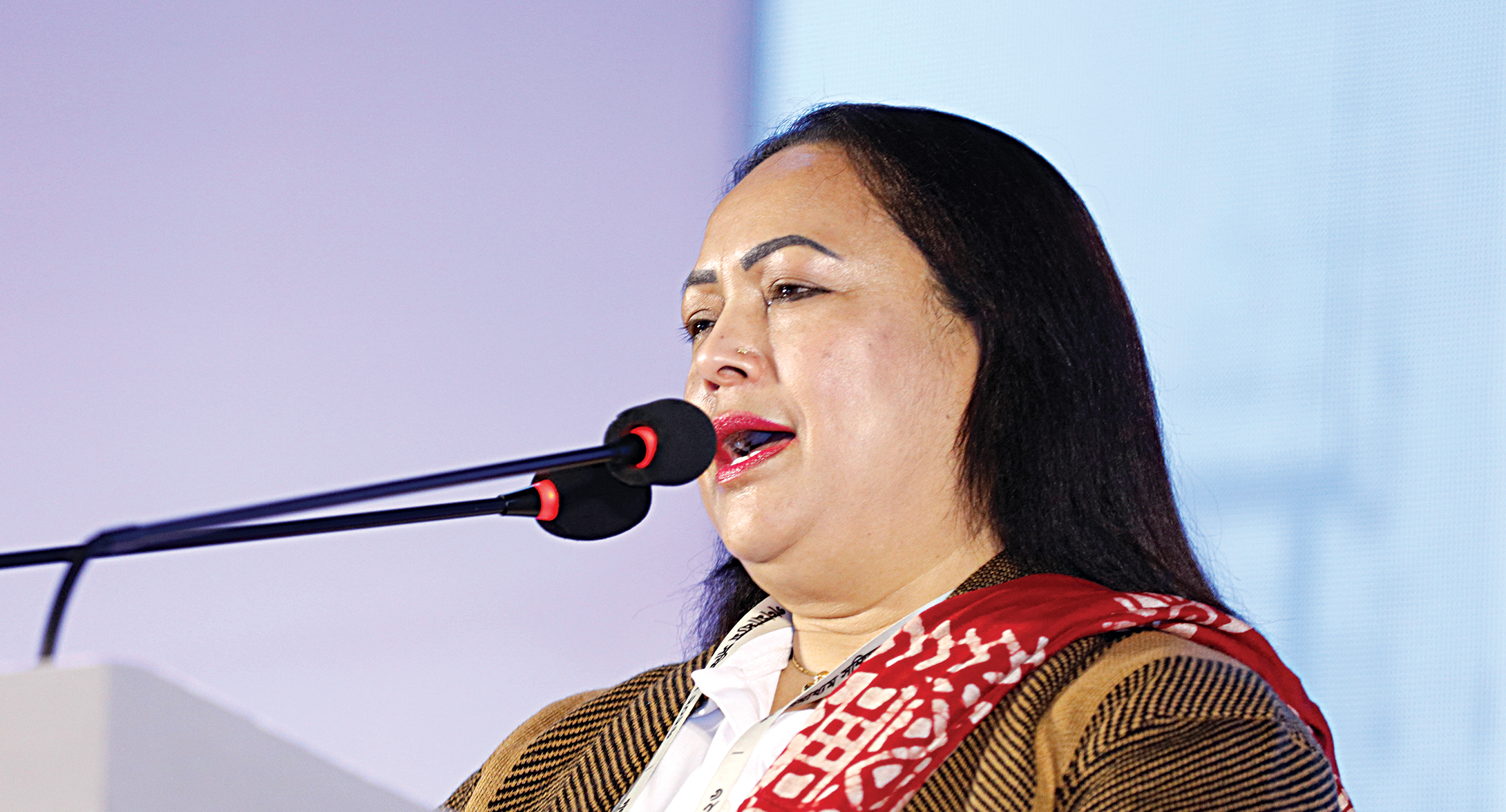
The fight for press freedom is often lonelier and more dangerous beyond the capital. The previous government was responsible for torching of our offices … we have never received justice.
Kamal Ahmed, head of the Media Reform Commission and consulting editor of The Daily Star, said that a specialised law to protect journalists is urgently needed, but it has yet to be enacted or implemented.
 For all latest news, follow The Daily Star's Google News channel.
 “The government has committed to enacting this law and protecting journalists, and so the government will have to take responsibility for all the repression that journalists have faced since this commitment was made.”
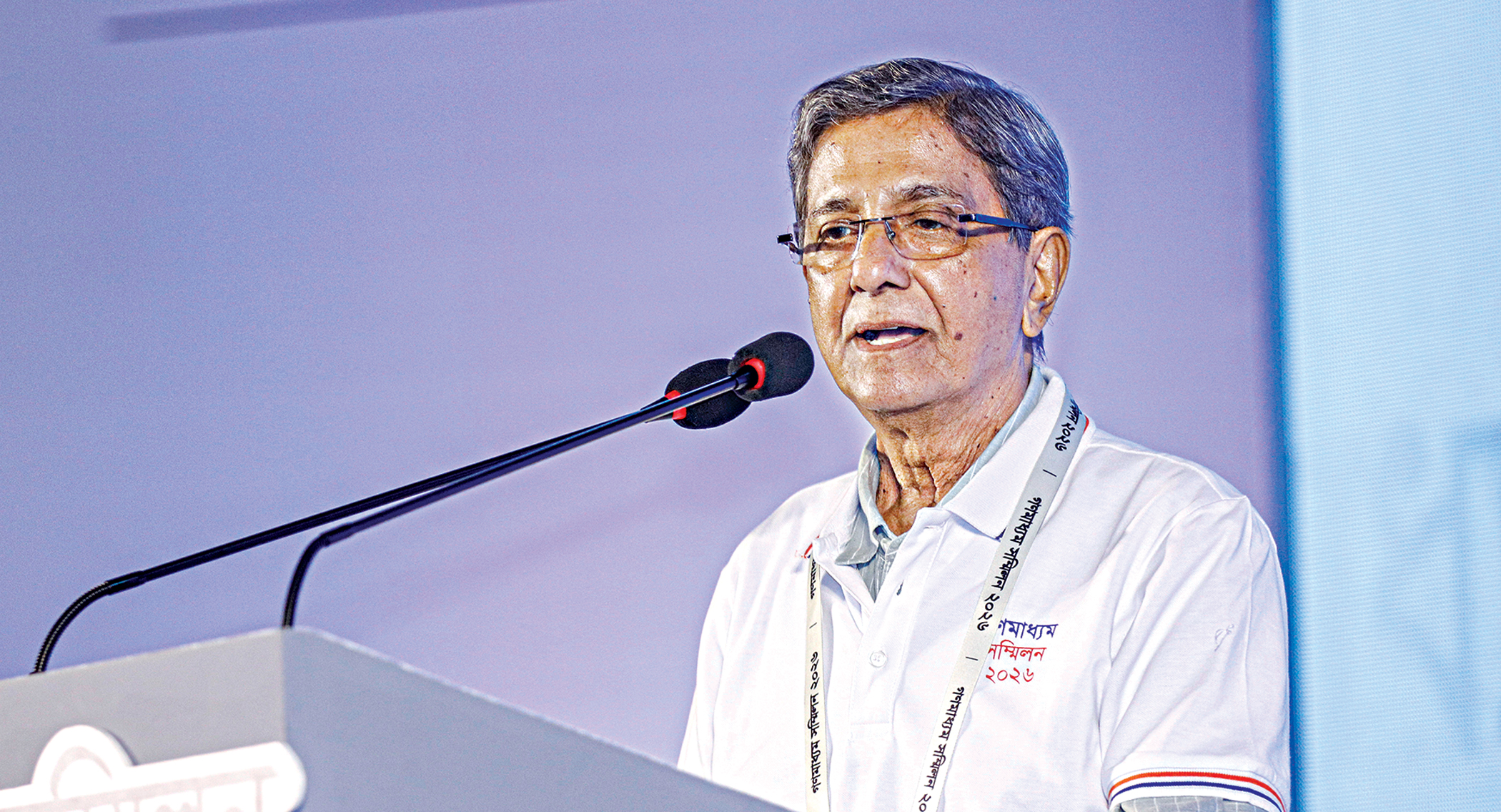
We should not think that when a newly elected government comes, all our problems will be solved. It did not happen in the past, and it will not happen now either.
Faruk Wasif, director general of the Press Institute Bangladesh, said though the draft law for journalist protection was finalised after extensive stakeholder consultations, there is no explanation for why it has not been enacted yet.
Syed Abdal Ahmed, executive editor of the Daily Amar Desh and a member of the Media Reform Commission, expressed frustration that none of the commission’s recommendations has been implemented. “The information ministry has become the main impediment. They said their power will be curtailed.”
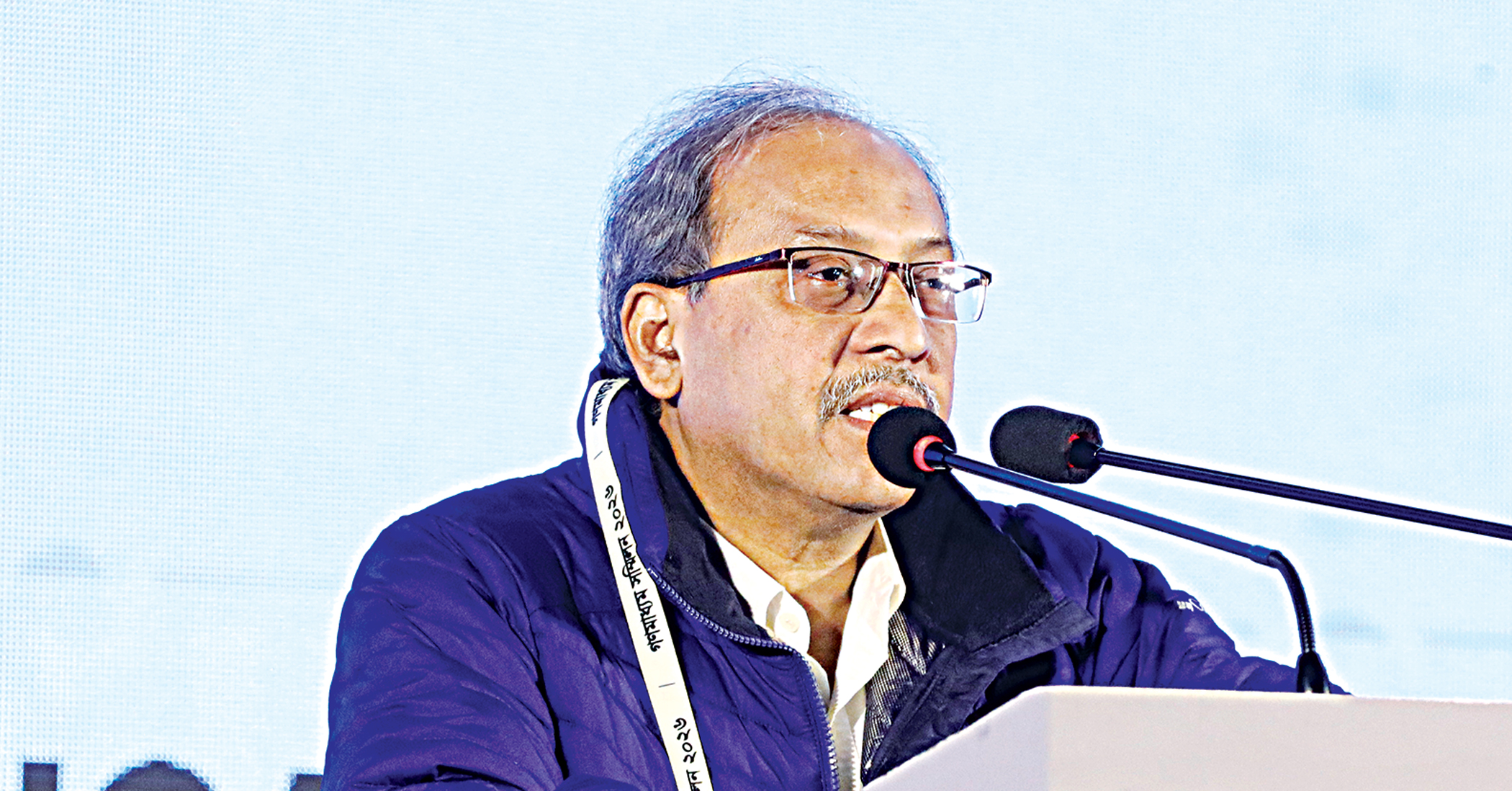
The information ministry has become the main impediment [to implementing media reforms]. They said that their power will be curtailed.
Dhaka Tribune Editor Reaz Ahmad said, “The government had a fantastic opportunity to reform the sector. They could not do that. Instead, they have made us more vulnerable.”
Senior journalists said that in the absence of external allies, unity within the profession is essential.
Kader Gani Chowdhury, secretary general of the Bangladesh Federal Union of Journalists, urged media workers to put aside internal divisions. “We’ve seen the consequences of divisions -- one group remained silent when the Sangram editor was arrested, while another group celebrated when figures like Matiur Rahman and Mahfuz Anam were targeted.
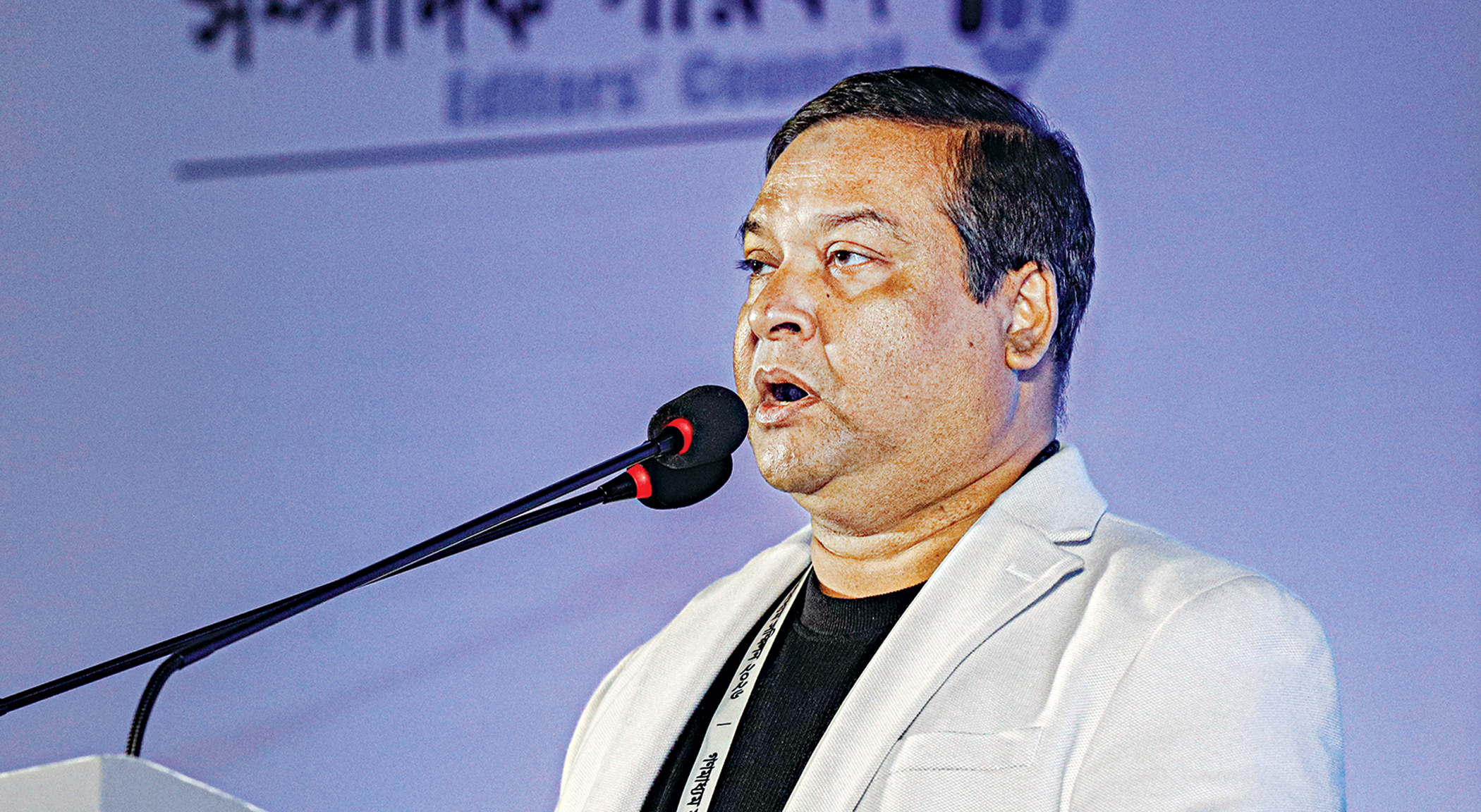
We must remember that we have no true friends outside of our own community when the freedom of the press is at stake.
“We must remember that we have no true friends outside of our own community when the freedom of the press is at stake.”
Veteran journalist Shafik Rehman said, “Matiur Rahman and Mahfuz Anam have certainly played a big role behind this convention because they saw their offices burned … The target was to destroy Prothom Alo and The Daily Star by any means.
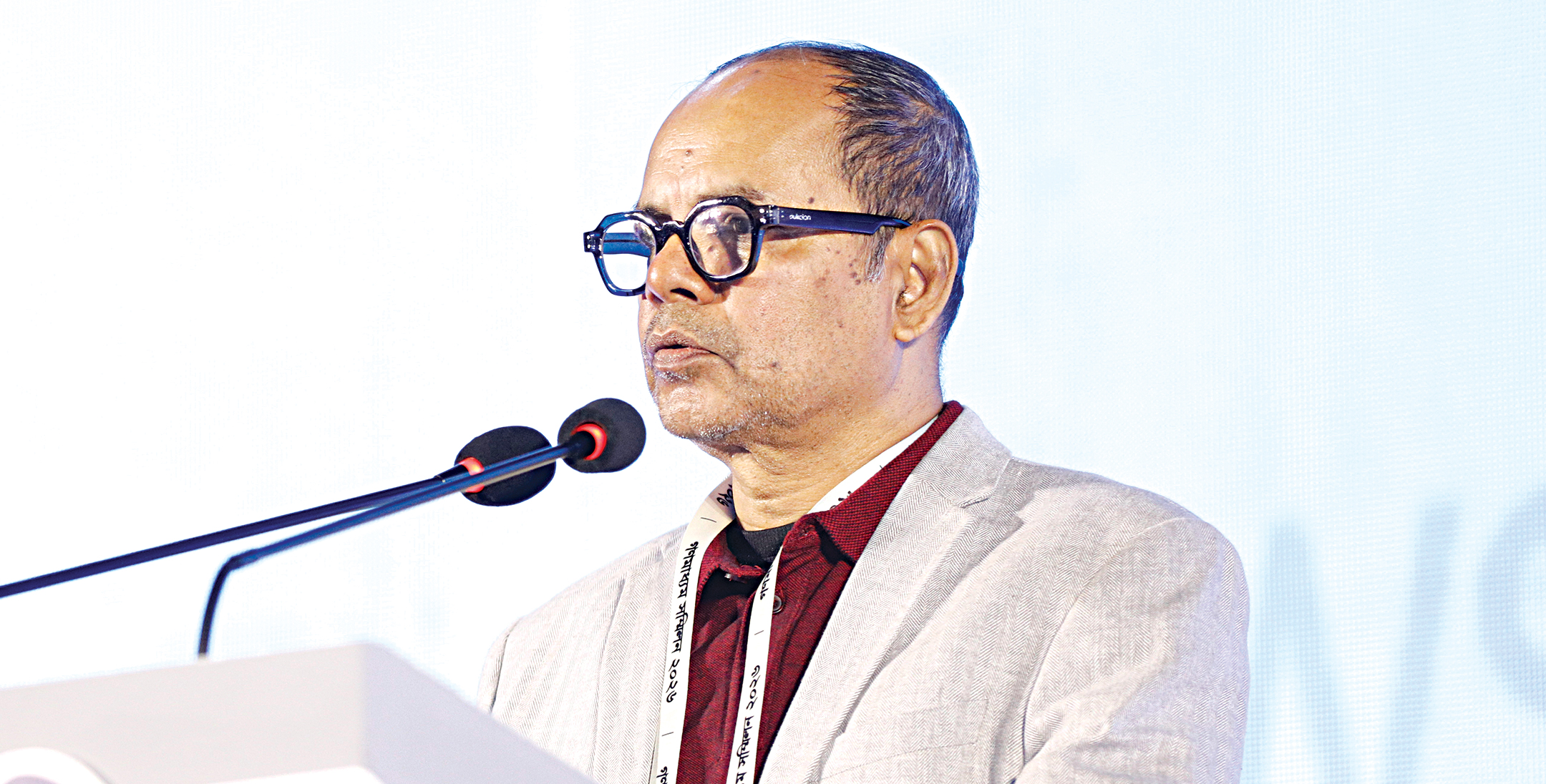
Many of us claim to be independent, yet our professional unions remain deeply and overtly divided along political lines.
“In this case, two or three podcast speakers played a very bad role. This was wrong.”
He added that he, like all journalists here, want to be united.
Matiur Rahman, editor and publisher of the Prothom Alo, warned that any conflict among journalists weakens journalism.
“No matter what our opinions, thoughts, ideas, or political beliefs are, we must stay united on issues related to newspapers, journalism, and personal safety. We must understand one another and stand by each other.
“We should not think that when a newly elected government comes, all our problems will be solved. It did not happen in the past, and it will not happen now either.”
Rezwanul Haque, chairman of Broadcast Journalists Centre, said, “Many of us claim to be independent, yet our professional unions remain deeply and overtly divided along political lines.”
He added that journalists must work to remove partisan affiliations from within the profession.
Mozammel Haque, editor of the Bogura-based Daily Karatoa, said that although the number of press clubs outside Dhaka has increased significantly, journalistic quality has not improved at the same pace.
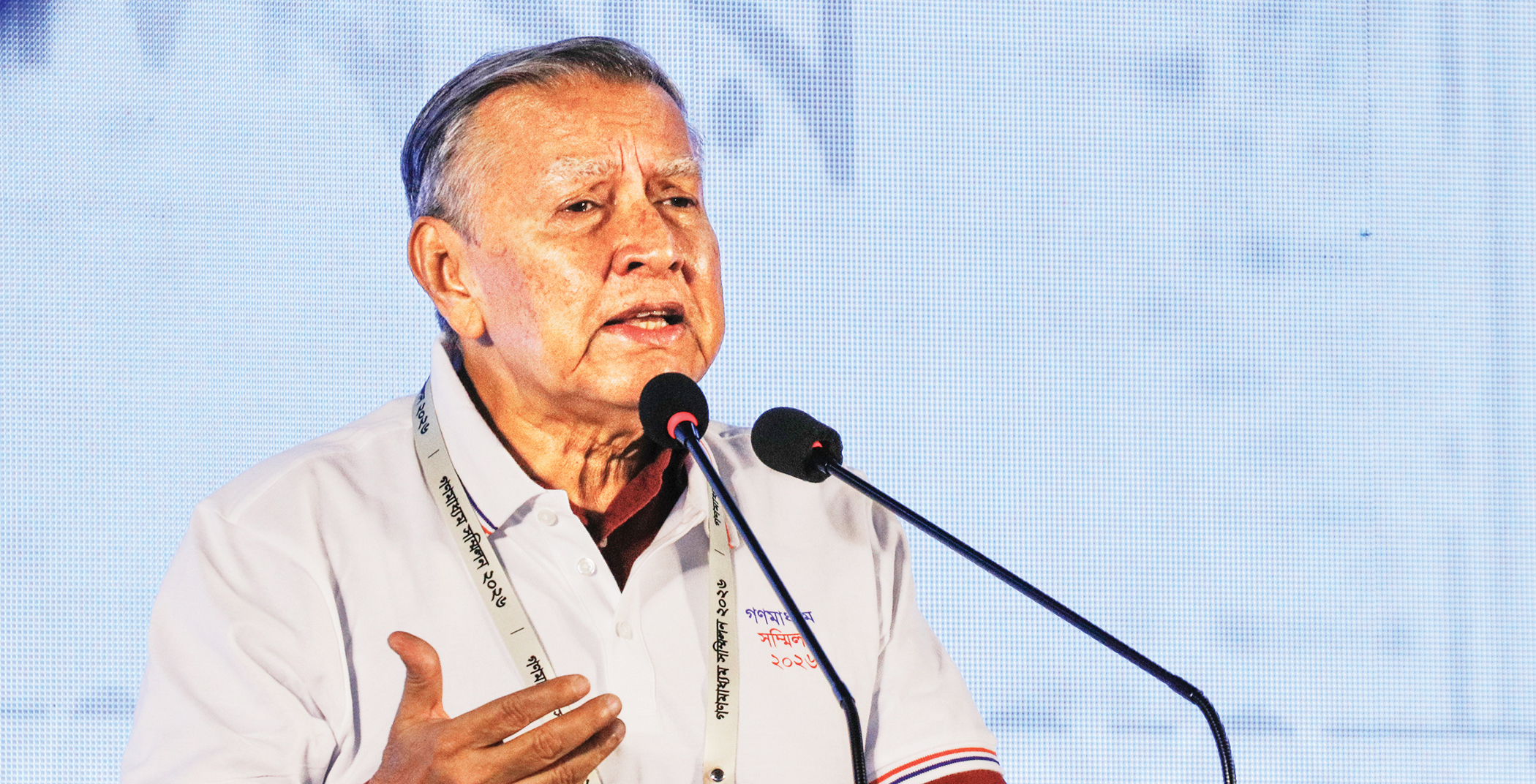
Your party people will not tell you the truth. Bureaucrats will not tell you the truth. Intelligence agencies will not tell you the truth. Only independent journalism tells the government the truth.
AHM Mushtaqur Rahman, president of the Laxmipur Press Club, criticised the practice of treating editorial positions as political appointments, saying it erodes press independence and credibility.
Mahfuz Anam, editor and publisher of The Daily Star, warned that reducing media to a purely profit-driven enterprise would destroy public trust and democratic values.
He cautioned media owners against treating journalism like any other commercial industry. “If you invest in media with the same mindset as other industries, that media will never earn people’s trust.
“Experience tells us that societies where independent journalism is strong are democratic, less discriminatory and more respectful of people’s rights.”
He said independent journalism is the only institution that spoke uncomfortable truths to those in power. “Your party people will not tell you the truth. Bureaucrats will not tell you the truth. Intelligence agencies will not tell you the truth.
“Only independent journalism tells the government the truth.”
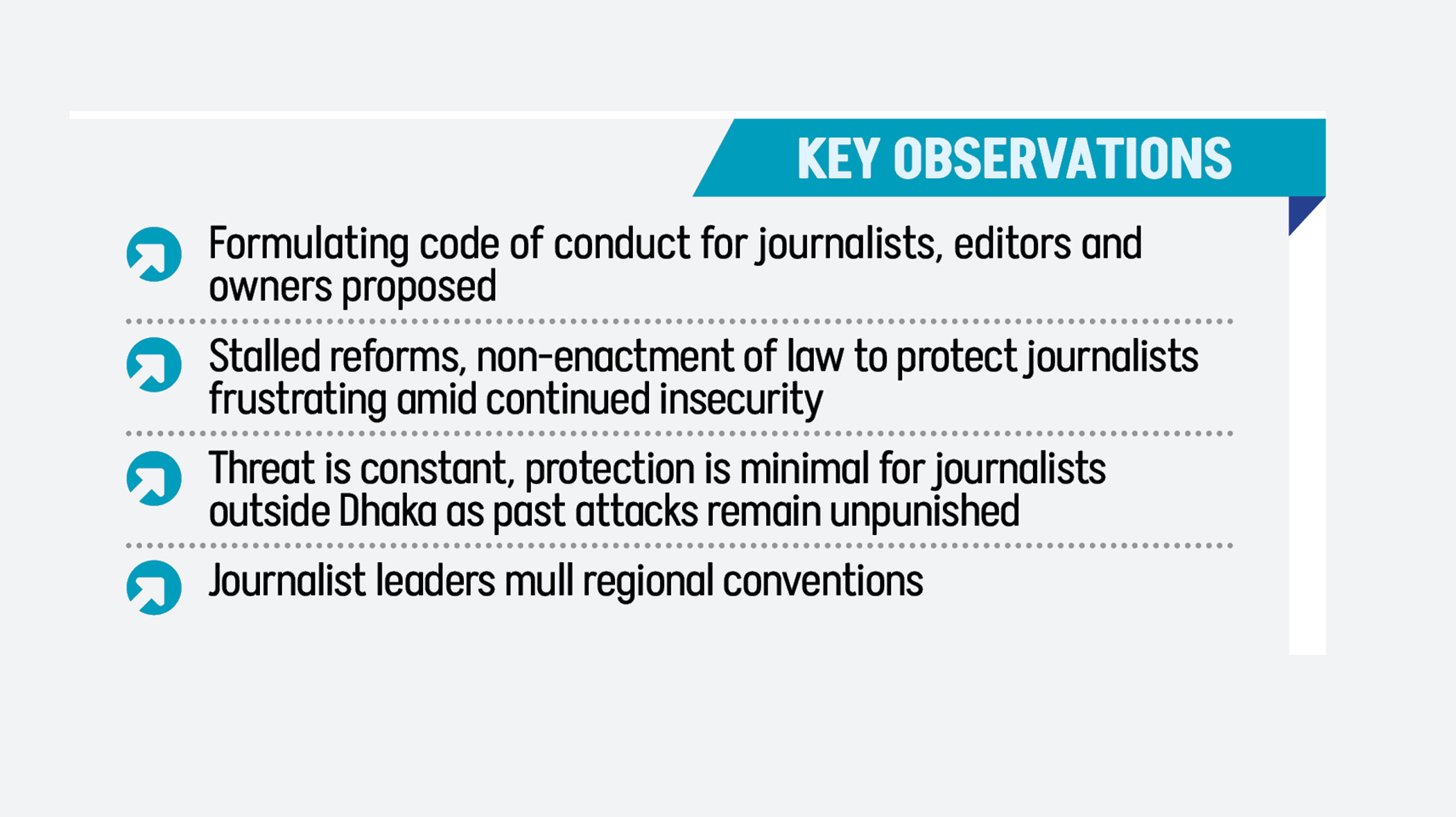
CODE OF CONDUCT
Speakers also called for internal accountability and a code of conduct for the media.
Rezwanul said an industry-wide code of conduct should be formulated and enforced.
Reaz Ahmad said, “We need to clean our houses and the best way is through self regulation. If we can’t do that we cannot earn back the trust of the people. An industry-wide code of ethics is needed.”
Munima Sultana, general secretary of Nari Sangbadik Kendra, also recommended implementing industry standards. “We are demanding that the government will reform the media but can we not implement some of the reforms ourselves?” she questioned.
Kamal Ahmed pointed out that while everyone acknowledges that professional standards are not being upheld in the industry, more needs to be done to identify the reasons behind it and get rid of the obstacles.
Nurul Kabir also called for the formulation and implementation of a code of conduct.
Mahfuz Anam said, “Those of us who have the privilege of being an editor, it is our moral, ethical duty to uphold the highest standards both in our personal and professional lives.
“Every decision of our personal lives affects our media organisations.”
He also stated that owners too must have a code of conduct.
Media leaders also said they were considering conventions like this at regional level.
Leaders of journalist organisations, including the Association of Television Channel Owners, Broadcast Journalist Centre, Jatiya Press Club, Bangladesh Federal Union of Journalists, Dhaka Union of Journalists, Dhaka Reporters Unity, Diplomatic Correspondents Association Bangladesh, Economic Reporters Forum, Photo Journalists Association, and the Crime Reporters Association of Bangladesh, attended the convention.
Comments