


Traditional Bangladeshi food aligns perfectly with modern nutrition science
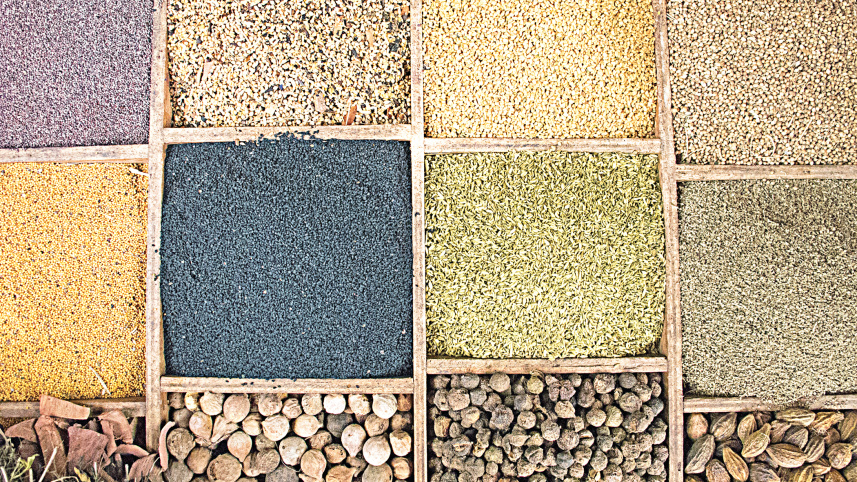
Even in a world obsessed with fast food and hurried meals, the benefits of the traditional Bangladeshi way of cooking are more relevant than ever. Time and again, we are being reminded that the age-old traditions were more than just a matter of taste. They represent a deeper connection with nature and our Bengali culture.
Selina Parvin, food connoisseur and long-time recipe writer for Star Lifestyle, The Daily Star, observes, “Long before ‘clean eating’ was a global trend, our kitchens were already practising it.”

Her words reflect what many of us have felt instinctively: that our inherited food habits carry both emotional and physical nourishment.
Chowdhury Tasneem Hasin, Chief Clinical Dietitian at United Hospital, Dhaka, reinforces this belief: “Traditional Bangladeshi cuisine is not about exotic wellness trends, but the simplest of foods that have nourished people of this soil for generations. The healthy aspects of traditional cuisine are best understood in practice and not in theory.”
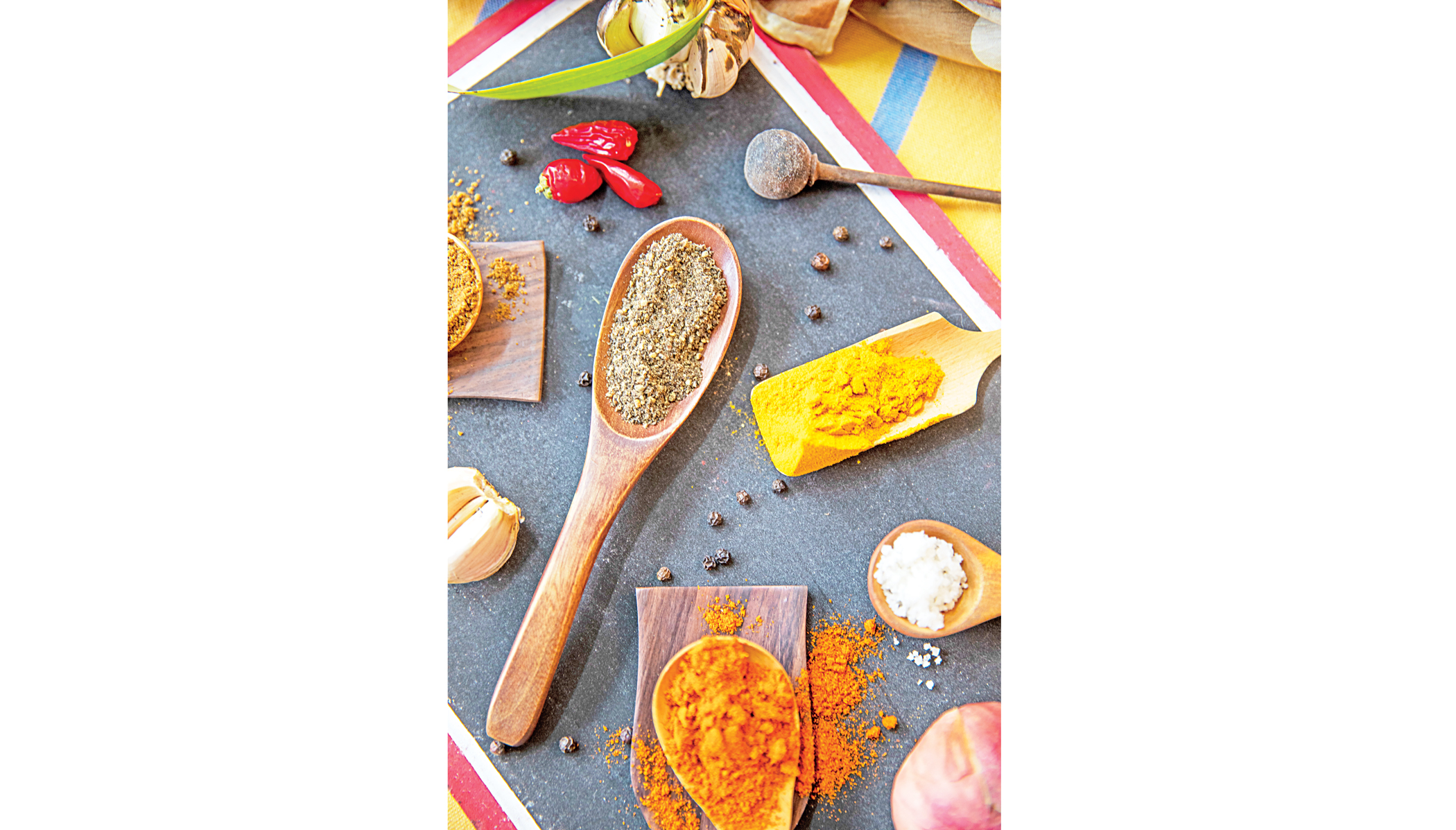
Parvin adds, “In traditional recipes, natural ingredients and slow cooking methods preserve nutrition. Unlike fast food and processed meals, which are slowly becoming part and parcel of our modern diets, Bangladeshi cuisine focuses on mindful eating, thus making it a healthier option.”
While modern diets offer convenience, traditional cooking offers something more comprehensive. It ensures the preservation of nutrients and also encourages consumption in moderation. It promotes food that supports a more mindful relationship with eating.
Bounty of the seasons
Unlike many Western diets, Bangladeshi dishes are rooted in natural ingredients long known for their healing properties.
“Ingredients like mustard oil, turmeric, ginger, and garlic are thought to have powerful medicinal benefits,” Selina Parvin explains.
She adds, “Mustard oil is thought to promote cardiac health and digestion. Turmeric strengthens immunity through its anti-inflammatory properties, ginger improves circulation and digestion, while garlic is known for regulating blood pressure and cholesterol.”
Dietitian Chowdhury Tasneem Hasin adds practical insight: “The simplest of dishes like sautéed vegetables (shobji bhaji) in mustard oil preserves both flavour and nutrients. An ordinary bowl of daal infused with turmeric and garlic not only offers warmth, but a whole lot of protein, along with aiding digestion.”
Traditional cuisine also revolves around seasonal produce. Eating with the seasons ensures fresher, more nutritious food, aligning our diets naturally with what our bodies need most at different times of the year. Winter harvests like pumpkin, leafy greens, and root vegetables provide warmth, and summer ingredients such as pui shak, bottle gourd, and green mango cool the body.
“One aspect of cooking in the Bangladeshi style often gets overlooked,” Hasin notes. “Our culinary practices are centred around local, seasonal produce. The use of simple techniques in cooking makes these meals both affordable and sustainable. Historically, we have relied on what grows in our fields and backyards; the bounty of the rivers has been sufficient for us.”
The power of freshly made
People of the past made pastes and used hand-ground spices; these were central to everyday cooking.
“We used freshly prepared onion, garlic, or mustard pastes, which retained essential nutrients and antioxidants that store-bought versions often lose,” Selina Parvin explains.
However, it was never just about nutrition alone. It was more about restoring a personal relationship with food. Balance was neither accidental nor excessive but a culinary system refined over generations.
She highlights the science behind this tradition. She says that iconic dishes like shorshe ilish are also nutritionally thoughtful, mustard and the fish providing healthy fats. Even the humblest of meals, the pairing of panta bhaat with green chilli and onions, reflects culinary acumen through an understanding of fermentation and gut health!
 For all latest news, follow The Daily Star's Google News channel.
 Researchers today are speaking about diets that look after gut health and provide anti-inflammatory properties, all of which have been the principles of local diets for ages.
“Far from being outdated, our cooking tradition aligns remarkably well with contemporary dietary science,” Hasin continues. “Fermented foods promote gut health and aid in digestion; slow cooking enhances absorption; and specific spice combinations are powerhouse sources of antimicrobial and anti-inflammatory properties.”
Traditional meals also show a clear understanding of dietary balance. Rice, which is our staple, provides energy; lentils and pulses supply plant-based protein and fibre; fish or meat offer essential amino acids and healthy fats; and vegetables add vitamins and minerals. Together, they support digestion, sustained energy, and overall wellness, blending cultural wisdom seamlessly with modern nutritional science.
Where we lost our way
While food culture has evolved, not all changes have been beneficial.
“Our fast-paced urban life has bade farewell to many aspects of traditional cuisine,” Hasin cautions. “Packaged sauces, frozen snacks, sugary drinks, and meals eaten in haste are now common in our lives as convenience has overtaken care. In this transformation, flavour may survive, but nourishment often does not. What we have lost is not just tradition, but a slower, more mindful relationship with what we eat.”
Selina Parvin also points to unhealthy shifts. “Modern Bangladeshi cooking has adopted habits such as excessive use of oil and sugar along with processed ingredients,” she says. Deep frying has replaced the balanced flavours of home-style meals.
Yet, both experts emphasise a return over restriction.
“Well-being does not have to be elitist or costly,” Hasin notes. “At a time when healthy eating is frequently marketed as a luxury, traditional Bangladeshi cuisine offers a model of nourishment that is inclusive. The combination of grains, lentils, vegetables, and smaller portions of protein creates a balanced meal that provides adequate energy without excess.”
Parvin echoes this approach. “To return to healthier roots, one must practice portion control. Use mustard oil instead of refined oil and bring back vegetable-based side dishes that once filled every meal,” she says.
Preserving the soul
Beyond ingredients and methods, Parvin emphasises the emotional nourishment embedded in tradition.
“Traditional recipes were never learned from manuals. For seasoned cooks, they are like muscle memory. Measurements were intuitive, and balance was guided by experience rather than instruction. For the new generation of home chefs, this knowledge is passed down from generation to generation and becomes a language of continuity and belonging,” she said.
For Parvin, authenticity does not mean excess but rather essence. She offers a simple path forward: “Rediscovering this ancient wisdom requires no radical change but a conscious return. Cooking one traditional dish a week, choosing mustard oil over refined alternatives, bringing back vegetable-based sides, or sharing at least one screen-free family meal each day can quietly restore balance. These small acts can reconnect us with nourishment and tradition.”
In rediscovering our traditional kitchens, we are not merely preserving heritage. We are reclaiming a way of eating that understands health not as a trend but as a lived, shared, and deeply human experience.
Photo: Sazzad Ibne Sayed
Comments