


The cost of the FDI roller coaster and the price we pay

The Bangladesh Investment Development Authority chairman recently said that foreign direct investment has increased significantly, and he hinted that the return of Tarique Rahman could strengthen investor confidence. Comments like these make for good soundbites. Investors, however, do not allocate capital on soundbites. They allocate capital when they see a stable operating environment, predictable rules, and an administration that keeps its promises.
The latest figures from UNCTAD and the Bangladesh Bank point to a slowdown. Net FDI (Foreign Direct Investment) inflows in 2024 were about $1.27 billion, around 13.2 percent lower than $1.464 billion in 2023. The cumulative stock of FDI stood at roughly $18.30 billion by the end of 2024. The debate should not get stuck on whether one year looks better than another. The real question is why Bangladesh is still failing to convert its potential into sustained, high-quality investment.

More important is the composition of FDI than volume. This is where headlines mislead, and policy needs sharper priorities. When inflows rely on reinvested earnings or intra-company loans, it can signal that existing firms are sustaining operations, not expanding capacity. The leap comes from greenfield projects that build new plants, bring technology, and create export pipelines. Those projects arrive when approvals are fast, rules are steady, and contracts are enforceable. And basic services are reliable.
In practice, serious investors ask a simple question: can we plan here? Planning requires clarity on taxes, customs, licensing, land, utilities, profit repatriation, and dispute resolution. Costs and competition are normal business risks. Uncertainty created by discretion, delays, and shifting interpretations is a governance risk, and it raises the cost of capital immediately.
This is why speeches alone cannot fix FDI. What builds confidence is an ecosystem where policies remain consistent, processes are clear, and commitments are honoured without ambiguity. Predictability is the currency of investment promotion. Without it, promotional campaigns become noise.
Bangladesh’s best marketing channel is the foreign companies operating here, as their experiences shape the country’s reputation. Struggles with routine approvals, inconsistent enforcement, or slow service spread quickly through networks, while fast problem-solving and consistent treatment spread even faster. Aftercare -- protecting investors, removing pain points, and supporting expansion -- is key to turning them into credible ambassadors.
The decline in net inflows shows that structural weaknesses and policy ambiguity persist. Investors cite slow approvals, uneven implementation, and service delays, noting that outcomes often depend on the officer of the day. They also watch how local investors are treated, since domestic confidence underpins foreign confidence.
High-performing peers excel through four advantages: stronger institutional credibility built on rule-based decisions and reduced discretion; relentless business facilitation with permits, utilities, and customs clearances following published timelines and digital tracking; strategic integration via ports, logistics, trade links, and supply chains to reduce friction; and a clear sector focus, giving priority industries consistent incentives, predictable regulation, and rapid bottleneck removal.
Bangladesh can compete, but it must choose consistency over slogans. The reform agenda is well known: a one-stop service must genuinely stop the runaround; digitised processes should reduce face-to-face bargaining and informal gatekeeping; incentives must be transparent, time-bound, and consistently applied; regulatory changes should be communicated early and implemented without retroactive surprises; and contract enforcement and dispute resolution must speed up so investors can price risk and move forward.
Finally, a cultural shift within the state is needed. Investors should be treated as long-term partners, not occasional guests. Problems should default to resolution, not committees, and commitments must survive transfers, reshuffles, and news cycles.
Fresh hope exists that a new government, formed through an acceptable election, can reset expectations. But hope matters only if it becomes policy, process, and proof. If Bangladesh delivers stronger institutions and reliable regulation, FDI will follow, and the focus will shift from defending statistics to demonstrating competitiveness.
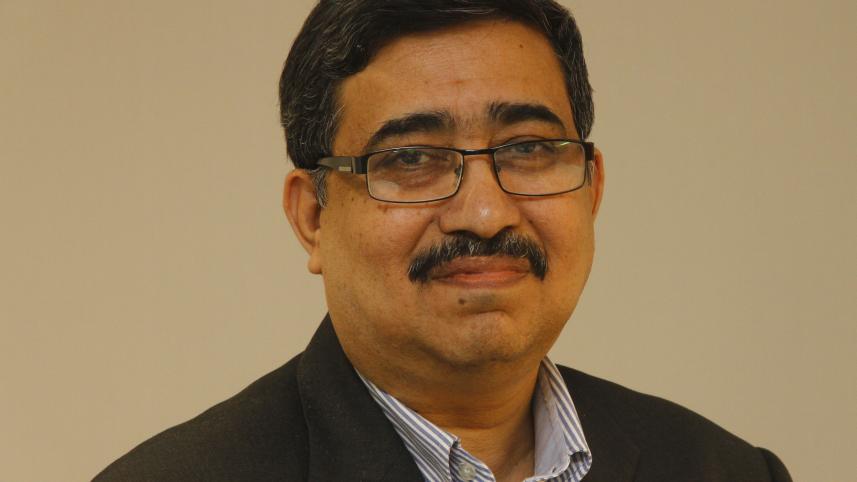
Mamun Rashid is an economic analyst and chairman at Financial Excellence Ltd.
 For all latest news, follow The Daily Star's Google News channel.
Comments