


JnU anti‑harassment cell stalls two years after Abantika tragedy

An initiative aimed at ensuring student safety and preventing sexual harassment at Jagannath University (JnU) remains largely ineffective, even after two years of its introduction.
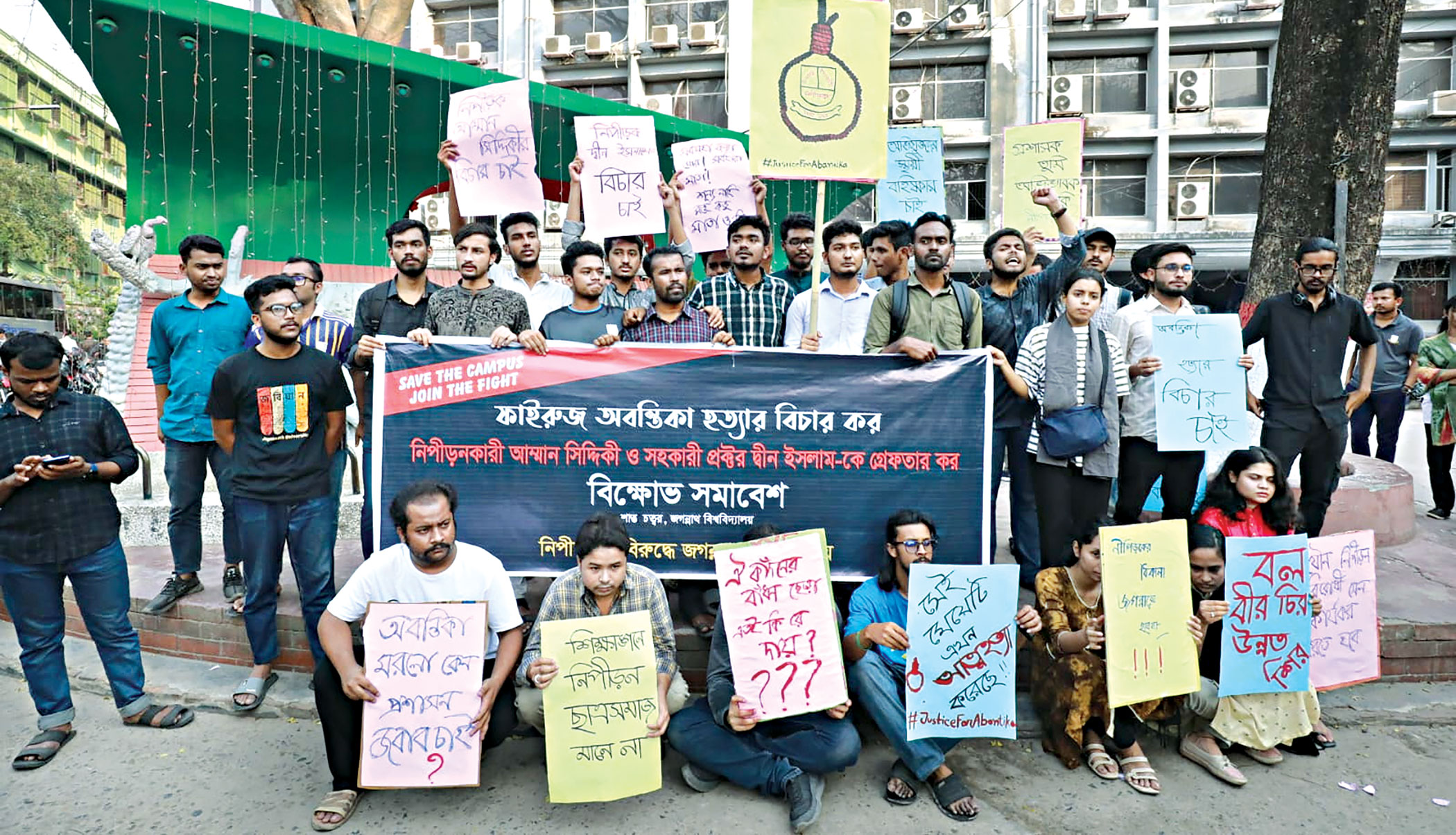
In 2024, the university authorities, under the then vice-chancellor Prof Dr Sadeka Halim, announced the formation of a "Sexual Harassment Prevention Cell" and the installation of complaint boxes at departments and key points across the campus. The move came in response to student protests following the death of a student, Fairuz Sadaf Abantika, which triggered widespread concern over campus safety.
 For all latest news, follow The Daily Star's Google News channel.
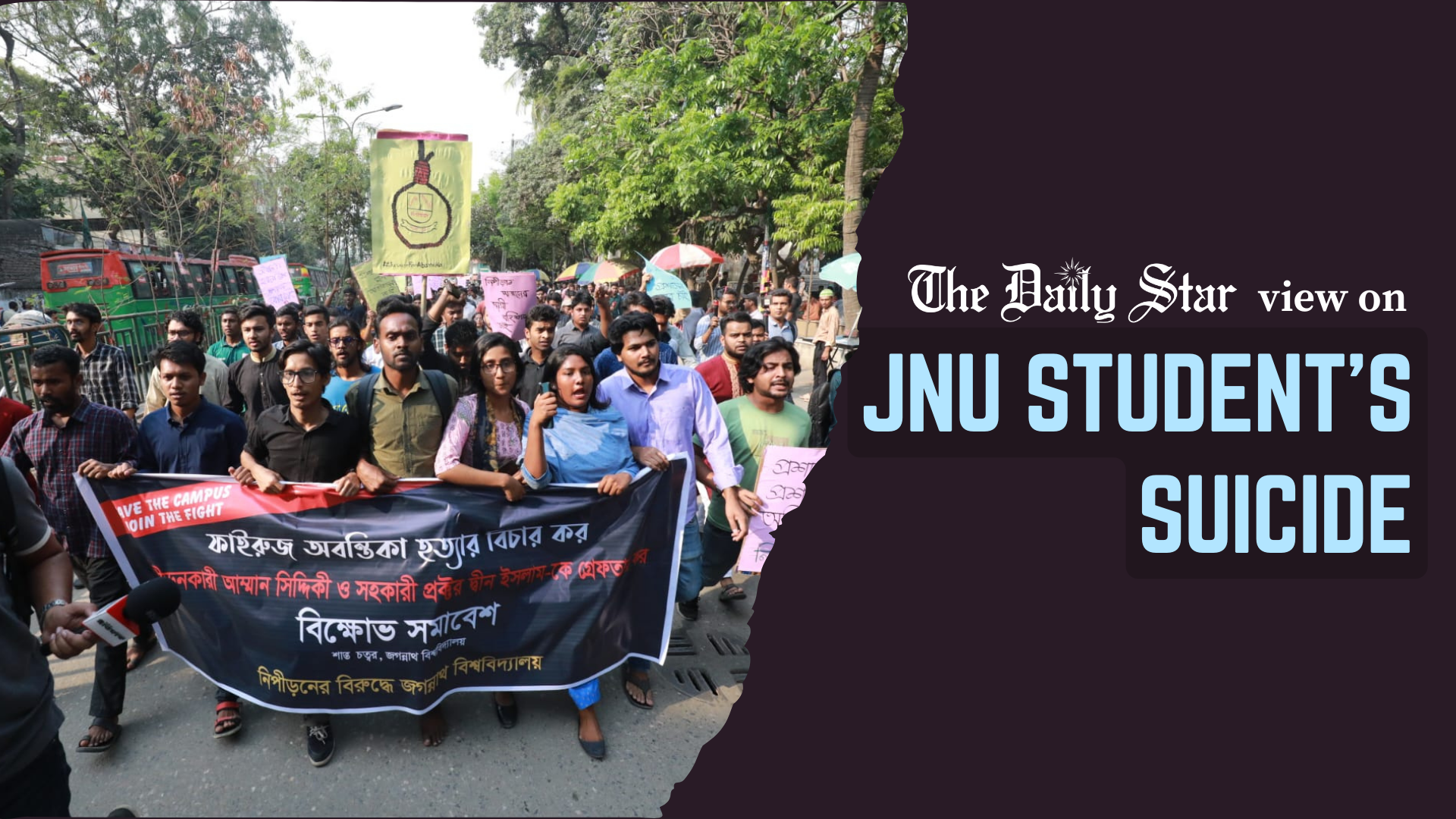
 Abantika, a law student of JnU, took her own life, unable to bear the fact that it was she, and not her harasser, who was rebuked when she approached one of the administrators of her university.
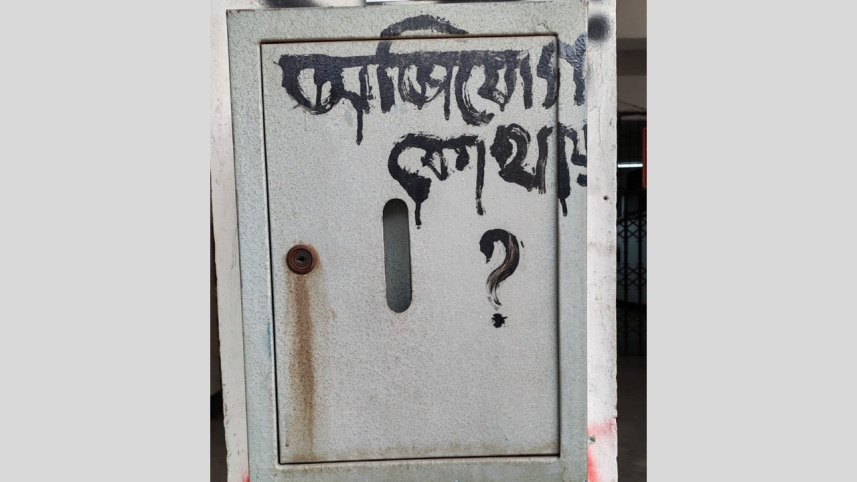
However, most departments still do not have complaint boxes, and where they exist, there is little monitoring.
A recent visit found no such boxes in several important areas, including the Faculty of Arts and the Faculty of Social Sciences.
Students say the lack of implementation has undermined confidence in the system.
“After Abantika apu’s incident, we hoped for a lasting solution. The initiative was promising at the time, but now it has clearly stalled,” said Urmi Akter, a student of the Mass Communication and Journalism Department.
“They were supposed to allow us to raise concerns confidentially. But if the boxes are not even visible on campus, how can students come forward, especially on sensitive issues like sexual harassment?” said a student of the History Department, seeking anonymity.
Tarikul Islam, from the Department of Islamic History and Culture, said installing the boxes was only the first step.
“If we cannot move beyond that stage, accountability will remain out of reach. Even in places where boxes exist, we are not aware if they are opened regularly or whether confidentiality is maintained,” he added.
Contacted, Dr Parveen Akter Jemy, convener of the anti-sexual harassment cell, said the committee has yet to receive the keys to the complaint boxes.
“We do not know whether the boxes have been opened. However, the cell’s activities are ongoing,” she said, adding that the committee has so far worked on two complaints.
Vice-Chancellor Prof Dr Rais Uddin said a meeting was held with the cell members to address the issue.
“In the first week of next month, we will hold a meeting with deans, department chairpersons and student advisers to discuss how to make the cell more effective,” he said.
He added that awareness measures would be strengthened.
“The prescribed punishments for sexual harassment will be displayed across the campus, and those found involved will face the highest level of punishment,” the vice-chancellor said.
Comments