


Coping mechanisms of an average citizen in Dhaka
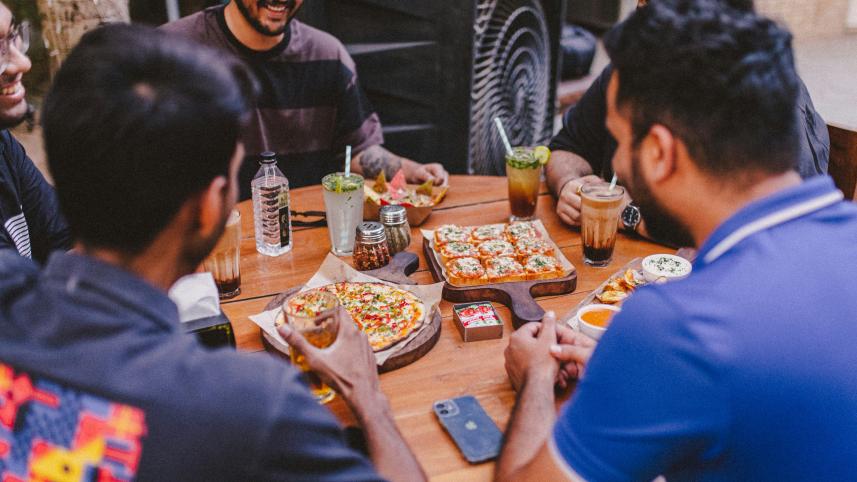
You know that sinking feeling of dread and anxiety that kicks in right before some major life event or an important task? The one which makes your mind work overtime, suggesting to you all the innumerable permutations and combinations of things that could go wrong? Most of us can relate to this, but, for the citizens of Dhaka, living in the capital city introduces yet another element into this unpleasant mix: unpredictability!
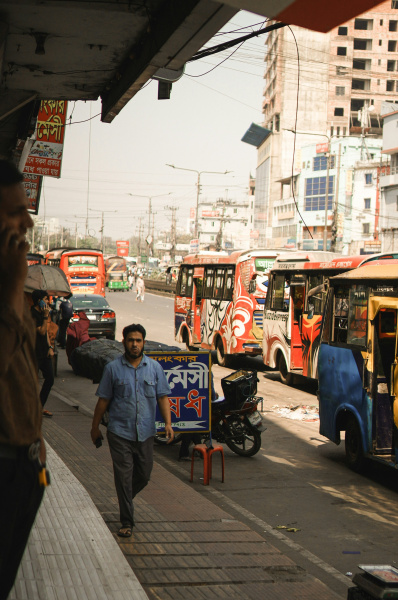
Nothing in Dhaka runs quite as it is supposed to. Transport can be scant and erratic depending on the time of the day, your area zip code, and various other factors out of your control. For instance, there are frequent street shutdowns/blockades that result from inefficient management in rallying. Especially since 2024, this has become a new concern in the daily lives of Dhakaites, the possibility of encountering risks or, at the very least, delays in urgent plans due to ill-managed movements.

There is no predicting when you might get caught up on the sidelines of a skirmish and become subject to mortal danger. I think of Siam Majumdar, the 21-year-old youth who never got to enjoy the short respite from work, never got to finish his cup of tea, when he became part of a senseless tragedy in a crude bomb explosion. Could he have ever foreseen such an event when he stepped out of work for a snack break? Could any of us, if we were met with a similar fate?
All of this is not to say that we face these events with resigned dejection. No, we Dhakaites have developed our own set of coping mechanisms, things that give us some semblance of control in our lives.
A biting sense of humour
Anytime the city throws yet another obstruction in our paths, one is sure to see our particular brand of dark humour in full swing. Sarcastic remarks like “this is our jadur shohor” and “Living in Dhaka is not for the weak” are just some examples of the discourse you are bound to hear among your fellow Dhakaites in both offline and online spaces.
Among social media users, this is even more visible as Gen-Z and, sometimes, the millennials amplify this coping mechanism by prolifically contributing to the production and consumption of locally relevant memes and skits.
Open any comment section of a post on an absurd or frustrating event, and you are bound to see dozens of GIFs and comments along the lines of popular Internet slang and meme culture. We deal with absurdity or even buffoonery in our local spaces by dropping remarks like “we got this before GTA VI”; “absolute cinema”, and other such pithy things. We signal our disapproval or incredulousness through similarly meme-coded statements like “ts ain’t tuff” and “peak unemployment”.
We can go back and forth on how effective this is in terms of dealing practically with daily inconveniences, but that is beside the point. In a fast-paced city where very few things are in our control, humour provides us the outlet we need to convert our frustrations into a widely communicable language and a space for asserting our voices, which usually fall on deaf ears in other spheres.
Constantly planning our next trip
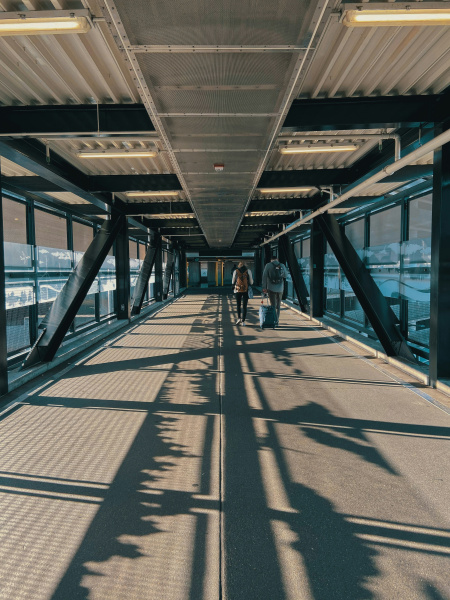
Any chance we get at stepping back from the draining rat race, we grab it even if only for a bit. Our holidays are spent in either exotic holiday destinations or, at the very least, in other cities outside Dhaka.
Even young university students with little pocket change to spare pool their fiscal resources for short one-to-two-day tours in search of some respite from the city’s hustle and bustle.
Popular destinations like Cox’s Bazar get far more Dhakaite visitors than Chatgaiyas throughout the year, despite its proximity to Chittagong city. The same can be said for other visitor-friendly destinations like Sajek Valley in Rangamati.
Restaurant hopping to sample food and preserve friendships
In recent years, frequenting restaurants or cafes has become a legit hobby among Dhakaites. The middle to upper-class citizens consumes more international cuisine than Bengali food and willingly fork out a sizable portion of their monthly income in the process.
Apart from offering the opportunity to indulge in other cuisines, restaurants have also become some of the few consistent spaces for socialisation. Think about it. When was the last time you had a hangout with your friends that did not involve any restaurants or cafes? You might be hard-pressed to find more than a few examples.
As someone born and raised in Chittagong, I can attest that the restaurant scene in Dhaka has significance beyond food. Here, they are the one reliable option everyone can agree on for a group hangout. And, why not? They do seem more convenient than planning the commute routes to your host’s house in a far-flung neighbourhood, and, hey, you get aesthetic pictures for your gram. Two birds killed with one stone.
Looking for the silver lining in our surroundings
This one’s for the optimists. Certainly, it would be a sweeping generalisation to label every Dhakaite as a sceptic, looking to escape the city.
Some would rather immerse themselves in the city and choose joy as an active rebellion against daily monotony. They people-watch during commutes and walks on the footpaths, assessing the faces and activities of strangers in search of stories. Perhaps, they throw themselves even harder into everything the city has to offer in terms of culture and art.
While verging on a romanticised view of Dhaka, this mindset is one of the more refreshing coping mechanisms, as it helps people to reclaim their vision of this city in spite of all its shortcomings.
 For all latest news, follow The Daily Star's Google News channel.
Comments