


Bourses gain full power in assessing IPOs
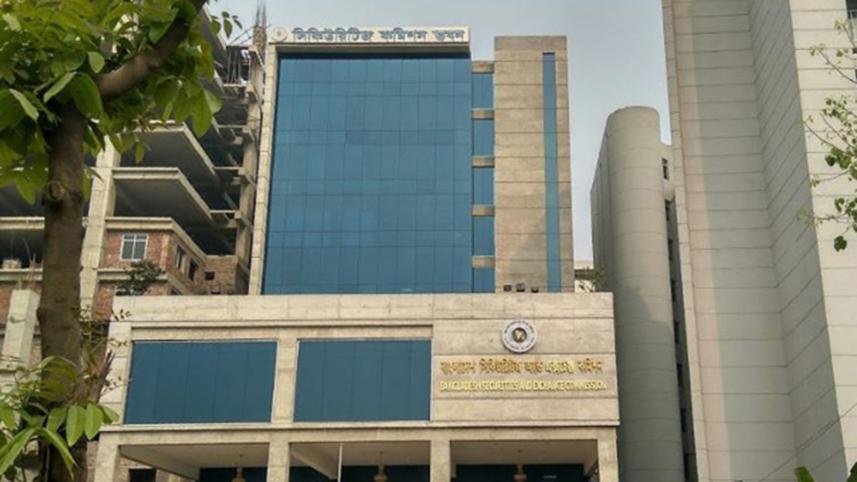
The Bangladesh Securities and Exchange Commission (BSEC) has granted stock exchanges a central role in evaluating companies seeking listing on the country’s capital market, a role absent in previous years.
Under the amended Public Offer of Equity Securities Rules, stock exchanges now have full authority to visit company facilities and request additional documentation before issuing recommendations on initial public offerings (IPOs), BSEC spokesperson Abul Kalam said at a press briefing yesterday in Dhaka.

Only companies that receive positive feedback from a stock exchange will be considered for IPO approval after scrutiny by the BSEC from now on.
Companies facing a negative recommendation may appeal directly to the commission, which will make the final decision after hearing all parties, the rules also state.
Under the previous rules, many companies got their IPO approvals from the BSEC, ignoring stock exchange recommendations over the last decade. Most of them are performing poorly in the share market currently.
“The changes do not mean that the BSEC is passing its responsibility to the stock exchange. The commission is incorporating a global practice of allowing stock exchanges to make their own decision on which company can be listed in their board,” he added.
The amended rules also address long-standing concerns from companies. For instance, firms now need to submit only five years of bank statements rather than records for their entire operational history, Kalam informed.
Measures to reduce duplicative documentation have also been introduced.
In parallel, Kalam said, the BSEC is coordinating with the government to prevent companies from taking excessive bank loans before listing. Proposals include setting a debt-to-equity ratio, a single borrower limit, and capping the financing period to discourage long-term loans.
The rules also modify the IPO book-building process, allowing price valuations through any globally accepted method. Previously, restrictive valuation methods deterred high-quality companies from going public.
To enhance investor participation, the lottery system for IPO share allocation has been reinstated. Previously scrapped in favour of pro-rata allocation, which required a minimum Tk 50,000 investment in the secondary market to qualify, this system now offers investors an equal chance of receiving shares.
 For all latest news, follow The Daily Star's Google News channel.
Comments