


Fusing Flavours
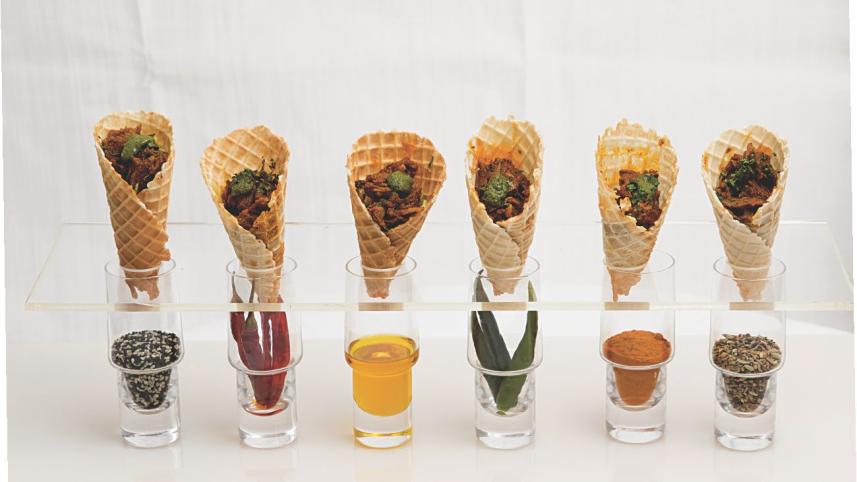
The denizens of the city are now eager to take on exploring various traditions - what we eat, drink, wear, read or paint are now part of this phenomenon and not just an isolated part of our cultural identity.
This week we talk to Apoorva Kunte, Executive Sous Chef at The Westin Dhaka. A culinary wizard, Kunte has been experimenting with this 'East meets West' culinary journey through his experimentation, which he shares with the readers of Star Lifestyle. As we speak to him, we re-discover the importance of our eating habits in shaping our identity and how that can be spiked to a new level in the culinary lab, a.k.a the 'kitchen.'

How would you define fusion cuisine?
I do not think a term like 'fusion cuisine' exists. I believe it is a chef's way of expressing himself that has become popular over a period of time. It is taking the flavours and ingredients that are most loved by a certain culture and bringing it out to them in a new form, new shape and surprising textures that have never been thought of.
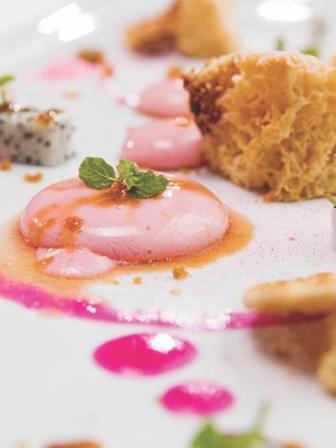
Dhaka is becoming cosmopolitan every day. New business opportunities are opening up and we see an influx of foreign cultures into the Bangladeshi mainstream. What role does cuisine play in this case?
International cultures influx into the Bangladeshi main stream will soon see a changing trend into the culinary aspect. When people travel they also become homesick and look for flavours and ingredients that are known to them or what they can relate to. Presenting the local cuisine with an international twist allows us to make them feel at home. At the same time, this offers us an opportunity to give them an experience that would travel along their side when they head back.
They would no longer relate to the cuisine being full of oil floating on top, or having high amount of spices that can upset their stomachs but talk about the subtlety that the spices bring. Presenting the food with a twist allows us to focus on individual flavours of ingredients, which otherwise are masked by heavy use of oil and spices.
There is this new hype within Bangladesh where the regional culture is going through a revival. People want to taste Khulna's famous 'chui jhaal' or Chittagongian 'mejban gosh.' How much of it can be attributed to the new trend in trying out fusion cuisine?
The world trend in food these days is experiencing regional cuisines. Around five years ago I was one of the first chefs in India to focus on regional cuisine and showcase its nuances through my breakfast menu at the Taj in Delhi. The trend caught on because people do get fed up of the popular flavours after sometime and want to try out something more.
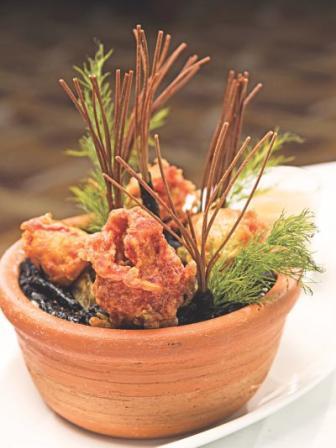
A combination of the same ingredients added at different times or stages during cooking can give us a variety of dishes to savour. This is what actually is the twist in flavours.
The Chittagong style mejban beef has long been eaten with rice/naan but presenting a khichuri of black rice or salad of spiced quinoa or steamed couscous not only adds a new dimension to the dish but also a new flavour profile.
What does it take to become a good cook when it comes to fusion cuisine?
For anyone to be a good cook, they should have a thorough knowledge of the basic flavours that formulate a cuisine. You master that and the world is your canvas. At the same time one should remember that the integrity of a dish or its soul should never be lost in the transition of presenting it with a twist or trying new combinations.
LS Desk
 For all latest news, follow The Daily Star's Google News channel.
Comments