


Solo travel can teach you more than any group trip ever

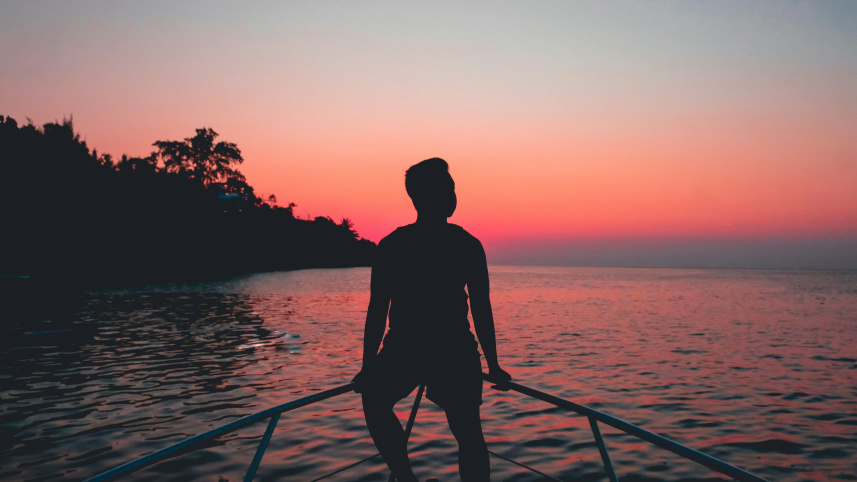
The cultural expectation to travel in packs is quietly fading away. More explorers are trading crowded itineraries for quiet streets, discovering that travelling alone unlocks a deeper sense of confidence and inner resilience.
In an era of group chats, constant connectivity, and the deep-rooted cultural expectation to travel in packs, booking a ticket for one can feel like a radical act. Whether it is a weekend getaway or a backpacking trip, travelling alone is often met with unsolicited warnings about safety, boredom, or isolation. However, embarking on that journey is one of the most transformative experiences a person can have, irrespective of gender.

Psychological research backs this up. Studies published in the International Journal of Environmental Research and Public Health note that solo travel forces individuals out of their social comfort zones, accelerating personal growth, cognitive flexibility, and self-reliance in ways group travel rarely allows.
When you are entirely responsible for navigating foreign streets, making split-second decisions, and solving your own problems, a quiet resilience begins to build from within.
When you travel with others, vacations are often built on compromise. You adjust your sleep schedule, debate over restaurants, and visit attractions to please the crowd. Solo travel strips away all of that noise, leaving an itinerary that belongs completely to you.
For first-timers, the thought of dining alone in a restaurant can be overwhelming, but overcoming this challenge is worthwhile.
"I spent three days in Oslo without speaking a single word to anyone outside of hotel staff, and it was the most liberating experience of my life," shares Lamia Ahmed, a 28-year-old engineer. "There was no pressure to rush through museums or match someone else's energy. I could sit in a park and watch the clouds over the Oslo Fjord for four hours, and that stillness taught me how to enjoy my own company.
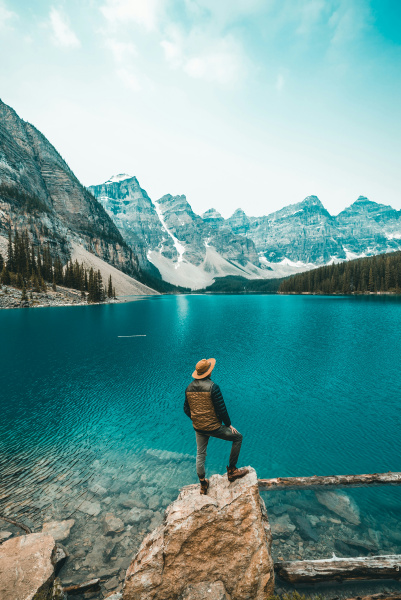
“My biggest advice to anyone trying solo travel for the first time is to drop the rigid itinerary. Do not map out every single minute of your day. Allow yourself the discomfort of getting lost, because that is usually where you find the best hidden cafes and unexpected moments of peace," Lamia announced excitedly.
This sentiment captures the essence of “solomaxxing”, the modern lifestyle movement that reframes being only by yourself not as a sign of isolation, but as a deliberate choice for self-discovery and mental clarity.
For many, particularly women, the hesitation to travel solo is deeply tied to safety concerns. While caution is always necessary, letting fear dictate your horizons keeps you confined. Cities like Oslo or Tokyo, frequently ranked among the safest and most pedestrian-friendly capitals in the world, offer an ideal testing ground for first-time solo explorers looking to build confidence.
"As a man, society tells you that you should always be the protector and provider, but solo travelling taught me how to be comfortably vulnerable," notes Zahin Rahman, a 34-year-old corporate strategist who recently spent a week wandering through Japan's capital.
"When you are in a city where nobody knows your name, you drop all your social masks. You realise that you are entirely capable of taking care of yourself in a completely unfamiliar environment. My advice for men considering a solo trip is to leave the ego at home. Avoid approaching the city as a tourist who is merely ticking off items on a checklist. Let the city happen to you,” Rahman added.
A common misconception about solo travel is that it is a lonely endeavour. In reality, travelling this way often makes you more approachable. Without the barrier of a companion or a group, you are far more likely to strike up conversations with locals, sit at communal coffee tables, and notice the microscopic details of a city that crowds usually blur out.
"When you are not in a group, the world feels louder, sharper, and somehow more intimate. If you are planning a solo trip, try to spend at least one afternoon walking without headphones or maps. Just listen to the city breathe. It changes your entire perspective on how small you are, and yet, how much of the world is open to you,” fathomed Sumaiya Raka, a freelance journalist and a frequent solo traveller.
Ultimately, a solo trip is an exercise in profound trust. It teaches you that you are good company. In a world that constantly demands our attention, time, and energy for others, a solo journey gives those resources back to you. You return home not just with photographs of new landscapes, but with a renewed sense of confidence. You learn that you can get lost, figure it out, and still find your way. And that is a lesson worth travelling for.
 For all latest news, follow The Daily Star's Google News channel.
Comments