


Why your comments on weight can harm more than help

From ‘concerned’ relatives to friends, everyone seems to have opinions on your health. Some of us learn to grow a thick skin. Others turn to extreme measures — sometimes at the expense of their own well-being.
Just last year, a makeup artist went on a one-meal-a-day (OMAD) diet, as a result of being bullied online. Upon losing 42 kilos in six months, her followers lauded her efforts. However, her life was abruptly cut short due to the recurring health issues resulting from extreme dieting.

This says something sinister about our society. Anyone who looks shiny on the surface can exist. And whoever doesn’t, can EXIT. On this issue, behaviour and fitness specialists explain the gaps in social and cultural systems.
Concern or abuse: Reading between the lines
Historically, behaviour science theories such as Social Identity or Self-Perception have found that humans seek out connection and belonging. We develop our personalities based on what our peers are doing and how they perceive us.

Tasfia Tamkin Reza, Psychological Counsellor at PHWC, says, “The frequency of these behaviours from adults reconfirms to children that people are judged based on their looks and they must exist in society by appeasing others.”
According to the counsellor, children who have experienced long-term body shaming commonly have symptoms of anxiety, depression and low self-esteem because they feel undervalued. This also impacts their social, professional and romantic relationships because they believe that they were not dealt the same cards as their peers.
Social media further exploits these insecurities by promoting aesthetic beauty and fitness trends, which are impossible to maintain for ordinary people. This is why many people suffer from eating disorders such as Bulimia Nervosa and Anorexia. They also have crippling Body Dysmorphia, which has them aspiring for unattainable physical features, such as having a perfect jawline.
Unfortunately, body shaming is seared into our culture. So much so that it resurfaces even in daily conversations.
Tasfia recommends self-reflection before passing a comment about someone’s weight gain or loss, or changing skin colour.
“We have normalised discussing people’s bodies because we have had it done to ourselves. So much so that we think it’s okay for our friends to speak ill of our bodies, even as a joke. During such conversations, we must assertively verbalise the negative impact to maintain healthy boundaries,” she emphasises.
Aside from this, we have a tendency to participate in negative self-talk regularly. Health and functionality should be the primary focus as opposed to looks. If we continue to comment about our weight in front of children, they only learn to internalise that large bodies are ‘bad’.
Tasfia suggests revising the narrative — that having a sedentary lifestyle can lead to health risks, irrespective of one’s size. “These conversations equip children with respect towards their own bodies as well as others who are different from them — so that they can refrain from bullying others or being bullied themselves,” she adds.
Tasfia shares that the ideal way to show concern about someone’s health is by asking about it, provided you have a close relationship with them. Instead of jumping to conclusions that their body type is an indicator of underlying health issues. If it is proven that they are actually struggling with weight, then one can recommend lifestyle changes that might benefit them, ONLY if they have asked for help.
Some people may not have a health problem; it may just be their genetics. Even people who go to the gym struggle with chronic illnesses. Therefore, it’s necessary not to make snap judgments about people’s appearance or immunity just because they do not fit into the cultural definitions of “healthy” and “unhealthy”.
Tasfia ends on the note that emotional intelligence often triumphs over BMI and appearance. “It is important to value people’s empathy, accountability, kindness, creativity, resilience and sense of humour. That’s what makes them relatable and easier to connect with others.”
Functionality over fads: Fitness simplified
National Academy of Sports Medicine (NASM) Certified Personal Trainer (CPT), Mohammed Asad, Founder and Head Fitness Coach at GOFIT, explains that the language and marketing used in our fitness industry often emphasise that a six-pack abs is the goal physique for ordinary people.
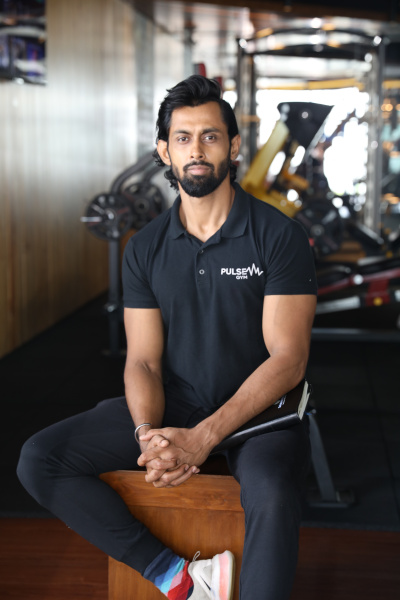
The dearth of information and skilled professionals still has us consulting people who have no academic or professional background in anatomy, medicine, nutrition, or kinesiology. Even in gyms, some trainers assume that all overweight people are lazy. Other times, even gym members feel the need to dish out their diet to those with larger bodies, or even compliment them for extreme weight loss.
Without due diligence on the trainer’s certification, many people fall victim to commercial fitness packages.
 For all latest news, follow The Daily Star's Google News channel.
 “People with pre-existing conditions such as diabetes or chronic pain are often duped into following workout regimes or taking supplements. As a result, men lean towards taking performance enhancers such as steroids to build muscles and women are conned into doing extreme crash diets to stay skinny. These ultimately cause hormonal and metabolic deficiencies in the body,” says Asad.
Coach Asad takes an empathetic approach to training clients who struggle with body image issues. Instead of focusing on their weight, he appreciates how far they have come in terms of strength and progress. More importantly, he refrains from commenting on their bodies, unless they allow him to.
“One of my clients was unsure about her achievements, till I reminded her how she's able to lift heavier while doing squats. She was also able to manage her knee pain and gain more stamina when climbing a flight of stairs,” he shares.
Having been in the industry for more than 12 years, Asad truly believes that strength training can better support health in both genders, if done correctly.
“Most of my clients are women; many of them initially thought lifting weights would make them manly. I explain to them that men and women can do the same exercises, but the result will vary from each other due to their hormonal differences,” he highlights. Now many of his clients can confidently do deadlifts, squats, push-ups and pull-ups and are enthusiastic to learn new exercises.
According to Asad, trainers should focus on progress, mobility, and strength, and educate clients on general nutrition and not give medical or nutrition therapy.
“I know how to calculate the macro and micronutrients when I am giving a diet plan to clients. However, if an individual has chronic illnesses, I will recommend them to consult their doctor or nutritionist aligned with their conditions,” clarifies Asad. He concludes by saying that the onus is on trainers to teach people that fitness is not a punishment for how we look, but rather a long-term investment for our future health.
Comments