


Neutering pets safely explained by a trusted vet expert
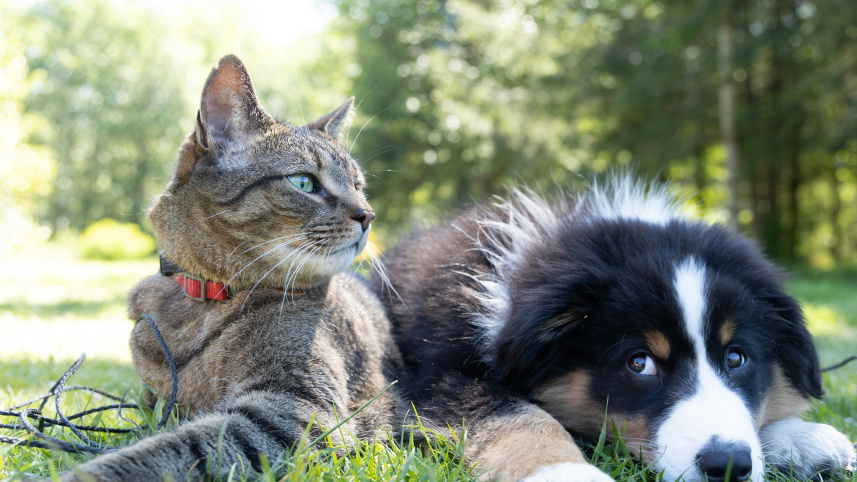
Are you tired of your pet escaping your house, littering in unwanted places or showing aggressive behaviours or fighting with other pets? In that case, neutering might be the solution to all of your pet-problems.
In simple terms, neutering is the surgical procedure of sterilising a pet to prevent reproduction.

Neutering in male animals is called castration, while for females, it’s called spaying. The latter is a bit risky and complicated, as it is concerned with removal of internal organs such as the uterus.
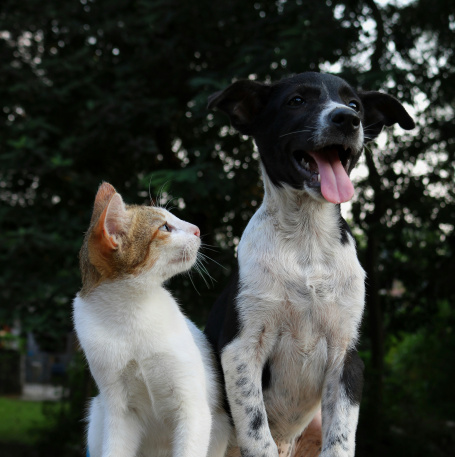
Importance of neutering
Whether or not to neuter your pet is totally up to you, but here are a couple of things you should know before making such a crucial decision.
Dr Md Tanvir Ul Alam, who is a Veterinary Officer at Animedcare, mentions, “If a cat or dog is suffering from cardiac problems and respiratory problems like asthma or pneumonia, anaesthesia becomes really risky. Neutering should not be done in such conditions.”
By removing reproductive organs, uterus in females and testicles in males, neutering prevents your pet suffering from uterus or testicular cancer, alongside giving protection from bacterial infections.
Treatment duration
It might seem an intimidating process to you but in reality, vets handle it perfectly. The surgery would be done in 30 to 90 minutes and your pet is good to go!
Anaesthesia is given during the surgery, so no need to worry for any pain during the process. To prevent vomiting during anaesthesia, avoid feeding your cat or dog 10–12 hours before surgery, and stop giving water 6 hours beforehand.
When inquired about the ideal timing for neutering, he replies, “Normally, it should be done at five to six months of age. For females, it’s best if done before the first heat (reproductive cycle).”

Conditions for neutering
The surgery should never be done at home, since a perfectly sterilised environment cannot be ensured. You certainly don’t want your furry little friend to suffer from post-surgery infections.
Before choosing the perfect veterinary clinic for your pet, always check that the operation theatre is properly equipped with sterilised needles, emergency medication, oxygen, and blood supply.
“100 per cent aseptic conditions must be maintained in the operation theatre to avoid infections in the animal,” emphasises Dr Tanvir.
Post-treatment take care
Once the surgery is completed, the vet’s duty is almost done. Now comes your part to become a responsible pet parent.
Dr Tanvir mentions, “We usually prescribe a medicine for five to seven days after neutering.”
You can choose either the injectable or oral form of medicine, whichever suits your pet, so there's no need to stress over feeding it to your pet.
Allow your pawed companion to relax as much as possible and limit their movement for at least a week after the procedure, particularly for cats, which are habitually more active.
“In the two weeks following surgery, take extra care to keep the site of incision (area where the cut has been made) dry at all times, even after littering,” advises Dr Tanvir
 For all latest news, follow The Daily Star's Google News channel.
 You might find your cats and dogs trying to lick the incision area. If you don't stop them from doing so, it would make the area wet with saliva. Pet wears like collars, muzzles, or surgical socks come in handy.
Strict parenting sometimes applies to pets too. According to him, “For one week following neutering, do not take them to play dates or let them mix with other cats and dogs.”
Changes in lifestyle habits
“Pets usually recover within five to seven days. At most, the follow-up visits to the vet can last up to two weeks,” states Dr Tanvir.
Once your cat or dog has fully recovered, and its ready to resume its normal life, you should pay more attention to its daily routines.
During summer, shower your neutered cat once or twice a month, and if you have a dog, give it a shower once a week. Avoid showering your pet in winter unless it is a big dog.
If you have a large dog, take it out for a walk twice daily. But do make sure the place is free of any ticks and fleas.
Dr Tanvir advises not to bring neutered cats out of the house. But if it is necessary, you can carry your cat in your lap with a belt, preferably.
Worried about which diet to specifically follow for your neutered pet? We got you. Dr Tanvir highlights, “The best diet would be the one rich in fibre, with proteins like boiled chicken alongside boiled vegetables like pumpkin, broccoli.”
In case you are buying ready-made packaged food, pick one with the best quality.
The environment of your house matters as well. Avoid excessive lighting and keep every corner free of dust to ensure the perfect atmosphere for your little friend to reside in after neutering.
For any pet owner, what seems to come before their own life is their pet’s life. They care for their furry little companions more than they care for themselves sometimes. Now that you know all the important guidelines for neutering, we trust you to take the best care of your fur-friend!
Comments