


Can your clothes improve your wellbeing? Tasfia Ahmed thinks they can
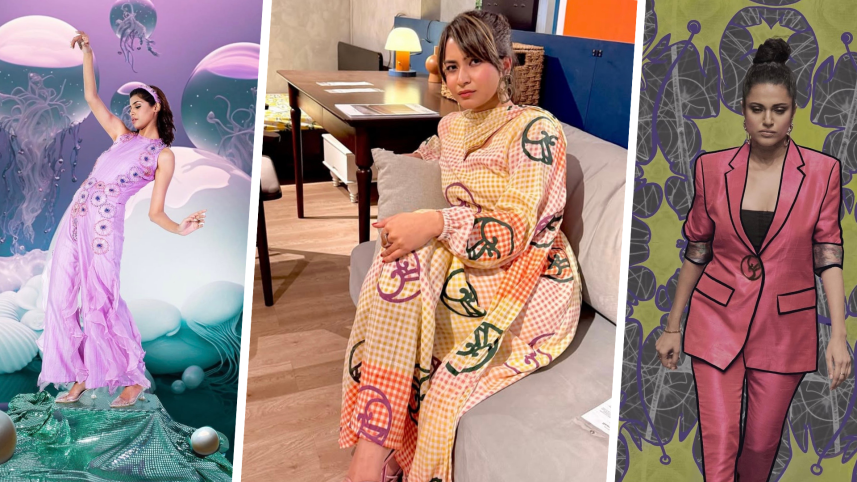
A particular pink cotton dress sparked a surprising series of conversations. When designer Tasfia Ahmed attended a gathering on a particularly hot Dhaka evening, people noticed her outfit. It was comfortable, breathable, and visually striking without trying too hard. More importantly, it looked appropriate for the weather.
For Tasfia, fashion begins with a simple question that is often overlooked in today's trend-driven industry: how does a garment make someone feel?

"It should be breathable, but it should not look like something you only wear inside your house," she says. "You should look put-together".
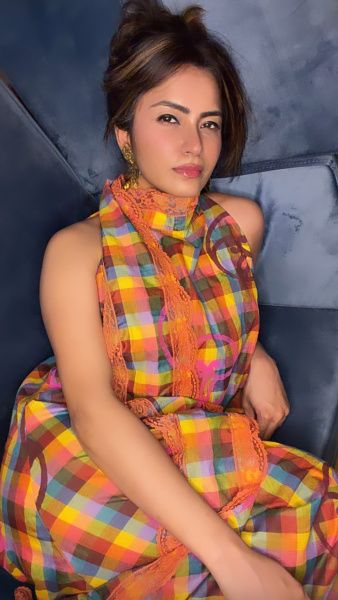
That practical approach sits at the heart of her design philosophy and offers a glimpse into the next chapter of her career as she prepares to relaunch her fashion label.
Tasfia's journey through fashion has never followed a conventional route.
Since launching her brand in 2019, she has worked across multiple sectors, including fashion companies, e-commerce platforms, NGOs, and freelance projects. Alongside those experiences, she developed a growing interest in an area that sits at the intersection of design and psychology.
"I've been researching and studying mental health and fashion, specifically how fashion is connected to your mental health and how it works," she explains.
It is an unusual area of focus in Bangladesh's fashion industry, where conversations often revolve around trends, retail growth, or sustainability. Tasfia is interested in something more personal: how clothing influences confidence, comfort, and self-perception.
Ask Tasfia to summarise her creative philosophy, and her answer comes quickly.
"My basic design philosophy is being local and going global," she answers.
Rather than reproducing traditional garments exactly as they exist, she wants to incorporate Bangladeshi craftsmanship into contemporary silhouettes that can travel beyond local markets. Heritage techniques such as hand-block printing, embroidery, and Kantha stitch are not limited to sarees or traditional wear; they can exist equally comfortably on dresses, co-ord sets, or modern separates.
"I focus a lot on fabric," she says. "Given our weather, it's just not possible to be comfortable in polyester all the time. My main design motto is that it should be a standout piece, but at the same time, a classic".
She points to pieces she designed years ago that can still be worn today without looking dated. Rather than chasing novelty, she focuses on versatility. For her, a successful garment can be styled in different ways and adapted to different situations. A muslin shirt, for example, might be styled differently to create multiple looks rather than being worn once and forgotten.
This philosophy feels increasingly relevant as conversations around fast fashion continue to grow.
Although Tasfia is relaunching her label with renewed energy, she is realistic about the challenges ahead. "The market is extremely saturated," she says.
What concerns her is not simply the number of brands but the growing influence of marketing over craftsmanship. Strong promotional strategies can sometimes overshadow design quality, making it difficult for smaller creators to stand out.
"People who should be known to the audience are not known because of poor marketing," she observes.
Rather than investing immediately in a physical store, she plans to focus on digital platforms, including her own website and selected multi-brand retailers. The decision reflects a broader shift in how emerging designers are approaching growth.
One of her long-term goals is to work more closely with artisans, particularly those connected to Kantha embroidery traditions in her hometown of Jamalpur. She is also interested in lifestyle products, exploring how traditional craftsmanship might appear on lampshades, home accessories, and other objects beyond fashion.
 For all latest news, follow The Daily Star's Google News channel.
 Underlying all these plans is a lesson she has learned during her time away from the spotlight.
"A brand or a fashion label is more than just a garment," she says. The statement reflects her growing interest in mental wellbeing. Creativity, she believes, cannot be separated from the condition of the person creating.
"In any creative field, your work is directly connected to how you feel"
For that reason, her comeback is not only about launching a collection. It is also about building consistency, maintaining balance, and continuing to create without interruption.
In an industry often obsessed with visibility, Tasfia's approach feels refreshingly grounded. She is not trying to produce the loudest fashion statement in the room.
She is trying to create clothing that people genuinely want to live in. And sometimes, that is the more difficult challenge.
Photo: Courtesy
Comments