


Badsha Bahadur deserved rescue before his suffering went viral

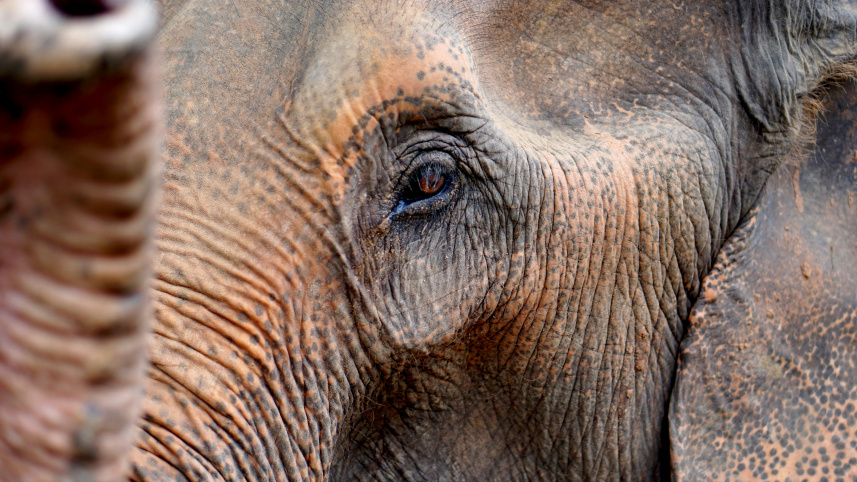
The rescue of Badsha Bahadur, the 55-year-old circus elephant, marks a welcome step towards better wildlife welfare. After a video showing his deteriorating health circulated on social media, authorities rescued him from Naogaon's Patnitola and transported him to the Bangladesh National Zoo in Mirpur, where he is expected to receive veterinary care, proper nutrition and much-needed rest. According to officials, the elephant had an injured leg, a broken tusk with an infection, and an owner who could no longer afford the cost of his treatment and upkeep.
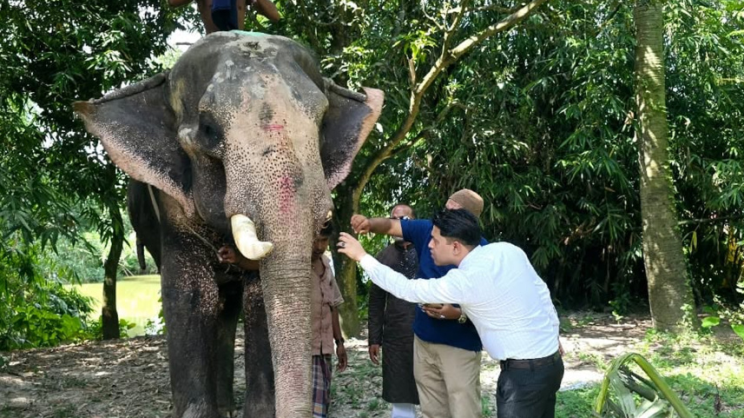

The rescue deserves appreciation, but it should also prompt a more difficult conversation. Why did it take a viral video of an elderly elephant in visible distress to receive the care he desperately needed? Would Badsha Bahadur have been rescued had his suffering remained unseen?
These are uncomfortable questions, but they lie at the heart of the issue.
Animal welfare cannot depend on public outrage or the reach of social media. A system that intervenes only after suffering becomes impossible to ignore is reacting to crises, not preventing them.
Badsha Bahadur's story also reflects a broader reality about captive elephants in Bangladesh. For decades, elephants have been used in circuses, weddings, religious processions and other commercial activities. Yet, far less attention has been paid to what happens when these animals grow old, fall ill, or require specialised veterinary care. As they age, the cost of feeding and treating them increases significantly.
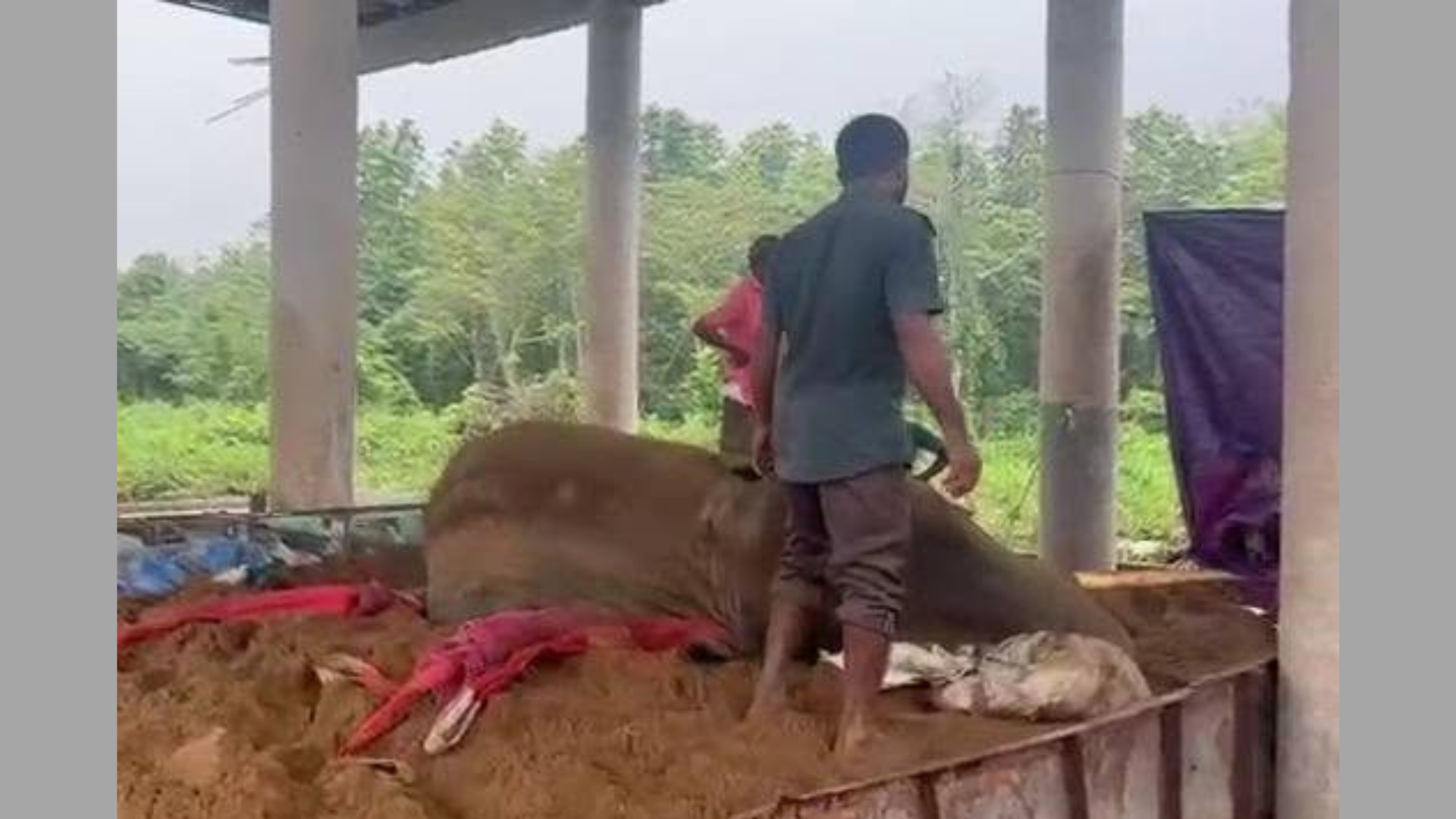
In this case, the owner himself reportedly acknowledged that he could no longer bear those expenses. While that may explain the circumstances, it also exposes an uncomfortable truth: there appears to be no effective system to ensure that captive elephants receive timely intervention before their conditions become critical.
This is precisely why Badsha Bahadur's rescue should be viewed as more than an isolated act of compassion. It should be seen as a test of Bangladesh's commitment to wildlife welfare.
The recently enacted Wildlife (Conservation and Security) Act, 2026, places the primary responsibility for the protection, welfare, conservation and management of wildlife on the state through the Forest Department and designated wildlife authorities.
The law goes even further by establishing a Wildlife Trust Fund dedicated to wildlife welfare, rescue, post-rescue treatment, rehabilitation, research and public awareness. It also provides for wildlife rescue centres where rescued animals can receive treatment, food, shelter and protection before rehabilitation.

These are welcome and forward-looking provisions. The question now is whether they will remain words on paper or become meaningful safeguards for animals in distress.
If the law is implemented effectively, elephants like Badsha Bahadur should not have to wait until their suffering becomes a national conversation. Rescue should be proactive rather than reactive. Regular health monitoring of licensed captive elephants, stronger oversight by the relevant authorities and clear rehabilitation pathways for ageing animals should become routine rather than exceptional.
Badsha Bahadur's transfer to Mirpur Zoo should therefore not be regarded as the conclusion of this story but as the beginning of a larger responsibility. His treatment and recovery will undoubtedly be followed closely, but equal attention must now be given to the many other captive elephants whose conditions remain unknown to the public. Compassion cannot depend on whether an animal's suffering is captured on camera.
Every rescue tells us something about the system that made it necessary. Badsha Bahadur's rescue tells us that public awareness can move institutions to act. It should now also inspire those institutions to ensure that no elephant has to endure prolonged suffering before receiving the protection the law already promises.
The real success of this rescue will not be measured by one elephant's recovery, but by whether it prevents the next Badsha Bahadur from suffering the same fate.
 For all latest news, follow The Daily Star's Google News channel.
Comments