


Expert advice on detecting and managing PCOS in young women
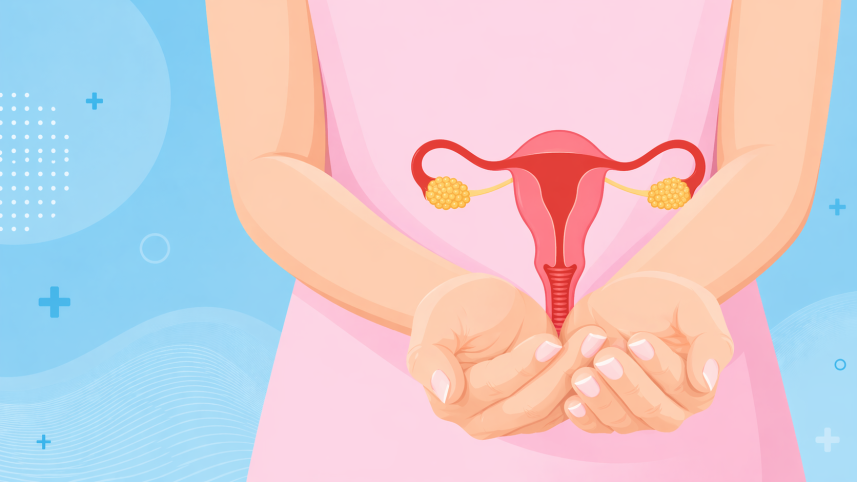
A 2025 study finds that 5-15 per cent of Bangladeshi women diagnosed with polycystic ovarian syndrome or disease (PCOS/PCOD) experience menstrual irregularities, weight gain, infertility, ovarian cysts, insulin-resistance, and various cardiovascular complications. In light of growing PCOS diagnoses in the country, a gynaecology and obstetrics specialist shares her insight that could help patients curb flare-ups and maintain a healthy lifestyle.

Dr Tanzeem S Chowdhury, Professor and Head, Department of Obstetrics and Gynaecology at BIRDEM Women and Children Hospital, reveals that PCOS may develop amongst girls and women between the ages of 16-20, especially if they have a family history of the condition.

“Women with a mother or sister who has these conditions are most likely to inherit the disease. A recent theory also suggests that environmental factors such as pollution can trigger this,” she explains.
It has three main features where women of reproductive age develop high levels of androgen, aka male hormones in the body, which leads to acne and facial hair (hirsutism). Secondly, they experience hormonal imbalance in the form of irregular periods and, at times, no periods at all.
“The ultrasound imaging of these patients often shows ovaries which are bigger in size as a result of not releasing eggs regularly. If women show two or three of these symptoms, it’s confirmed that they have this condition,” she elaborates.
In addition, patients may also show symptoms like unexplained weight gain.
According to Dr Chowdhury, they must be diagnosed based on the history of their symptoms. Furthermore, doctors can also test different hormones through which they can recommend an ultrasonography, which can capture the increased size of the ovaries. The final diagnosis and treatment plan will depend on the ultrasound images.
If left undiagnosed and untreated, PCOS can lead to infertility issues that can make conception difficult in married women because hormonal imbalances increase the chances of miscarriage. Moreover, obesity in PCOS patients may also result in future health risks if nutrition and weight are not managed properly.
“Patients with obesity may develop diabetes. Apart from these, there are also risks of developing hypertension, high cholesterol, and cardiovascular diseases in future. Body image issues can also crop up, especially for those who experience thinning hair, acne and oily skin, thus leading to depression and anxiety, which can hamper their social skills,” elaborates the gynaecologist.
Dr Tanzeem Chowdhury also emphasises that prolonged lack of menstruation causes women’s endometrial lining to become thick. This can cause endometrial cancer (carcinoma) in the later years of life. Therefore, women who cannot naturally get their periods should be prescribed medication which helps them to have regular periods to ensure that they do not get cancer of the endometrial lining in future,” informs Dr Tanzeem Chowdhury.
As most women are born with the condition, the closest thing to a cure is a functional reversal. In other words, managing the flare to ensure the symptoms are nipped in the bud.
“Eating enough lean protein, fibre and reducing carbohydrates such as white rice, bread or pasta, can regulate periods and reduce the growth of facial hair to an extent. PCOS patients must also exercise and manage their weight alongside sleep hygiene and mental well-being. Therefore, activities like walking, cycling, swimming, yoga and meditation can help manage obesity as well as stress, anxiety and depression,” she suggests.
 For all latest news, follow The Daily Star's Google News channel.
Comments