


From home-cooked meals to viral bites - Gen Z’s changing plate

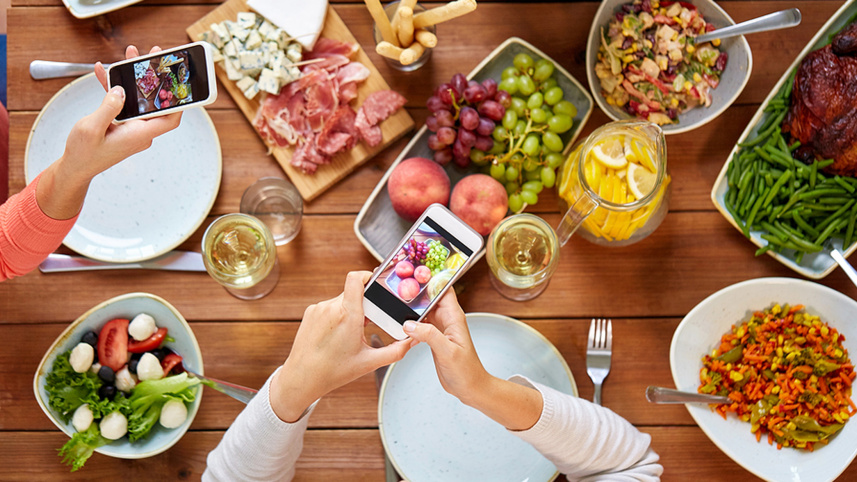
Gen Z knows what healthy eating looks like. Their feeds are packed with protein bowls, “clean eating” tips and warnings about processed food. Yet for many young people, knowing what to eat has never made eating well easier.
That contradiction sits at the heart of Gen Z’s diet problem. They have unprecedented access to nutrition information, but much of it arrives through social media, where popularity can matter more than accuracy. Influencers promote detox drinks, severe food restrictions and dramatic weight-loss routines alongside ordinary lifestyle content. For a generation already dealing with study pressure, long days and the pull of convenient comfort food, the result can be confusing rather than empowering.

The problem is especially visible in urban Bangladesh. Fast-food outlets and Western-style meals have become increasingly familiar to young consumers. Home-cooked plates of fish, lentils and vegetables are competing with fried chicken, burgers and meals designed to be quick, tempting and Instagram-friendly.
Convenience is powerful. After classes, work or a difficult day, a readily available meal often wins over cooking. Nutritious choices can demand more planning, time and sometimes money. Meanwhile, social media keeps serving up eye-catching food trends and extreme diet advice because dramatic content attracts attention.
This matters beyond appearance or weight. Poor eating habits in youth can set the stage for obesity, high blood pressure and other long-term health problems. The attached article also highlights links between heavy social media exposure and unhealthy relationships with food, including binge eating, severe restriction and an obsessive pursuit of “clean” eating.
Yet there is reason for optimism. Gen Z is not indifferent to health. Many already recognise that food can affect both physical and emotional wellbeing. What they need is not another viral diet challenge, but a healthier environment in which reliable advice is easier to find and sensible food is easier to choose.
Schools can teach young people how to judge online health claims. Universities can make qualified nutrition advice accessible. Food marketing rules can be strengthened, particularly when claims target younger audiences. Public health campaigns also need to speak where Gen Z actually listens: on the platforms already shaping their choices.
Gen Z has the awareness to change how a generation eats. But awareness cannot compete alone against algorithms, advertising and convenience. Give young people credible guidance and realistic choices, and the generation blamed for following food trends could instead become the one that finally changes them.
The writer is a research team head at BSES & founder at Antioxidant Pathways.
Email: amimuna10@gmail.com
 For all latest news, follow The Daily Star's Google News channel.
Comments