


From dinner table to hospital bed

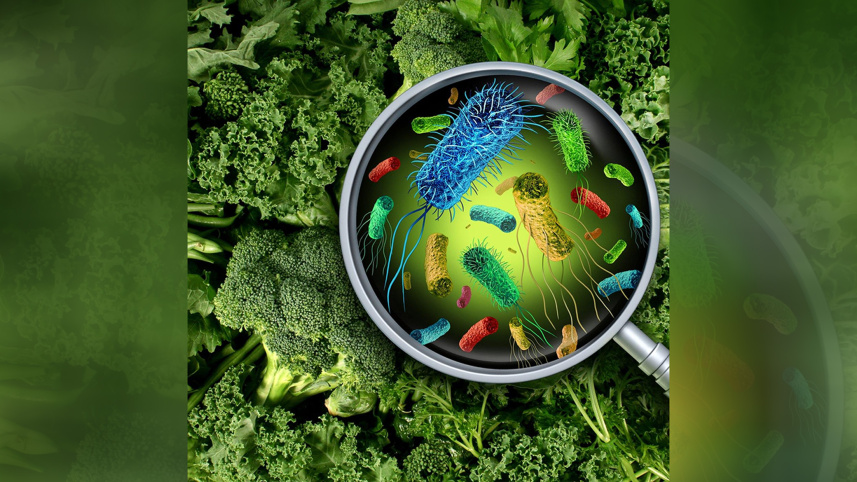
A hospital bed may be where illness is treated, but the battle for health can begin much earlier; at the dinner table.
Unsafe food is more than an unpleasant meal. In Bangladesh, adulterated, contaminated and poor-quality foods may contribute to the growing burden of diabetes, high blood pressure, heart disease, kidney problems and cancer. Pesticide residues on produce, harmful chemicals in fish and meat, adulterated milk and heavily processed foods can quietly turn everyday eating into a health risk.

The consequences reach far beyond individual families. More illness means busier hospitals, higher medical bills and pressure on public spending. For poorer households, one serious illness can make an already difficult life even harder.
The answer cannot be treatment alone. Prevention must begin with what reaches our plates. Stronger action against food adulteration, better monitoring of markets, improved food-testing facilities and practical training for farmers, producers and traders are essential. Public awareness matters too.
Hospitals can treat the damage, but they cannot keep unsafe food off our tables. Food safety should therefore sit at the heart of national health planning. Protecting the food supply is not simply about consumer rights; it is about protecting health, livelihoods and the country’s future.
The writer is a joint general secretary of the Association of Bangladesh China Alumni (ABCA), and Managing Director of Long Life Hospital, Dhaka. E-mail: shapon.ch2000@gmail.com
 For all latest news, follow The Daily Star's Google News channel.
Comments