


High intake of dietary fibre and whole grains associated with reduced risk of NCDs
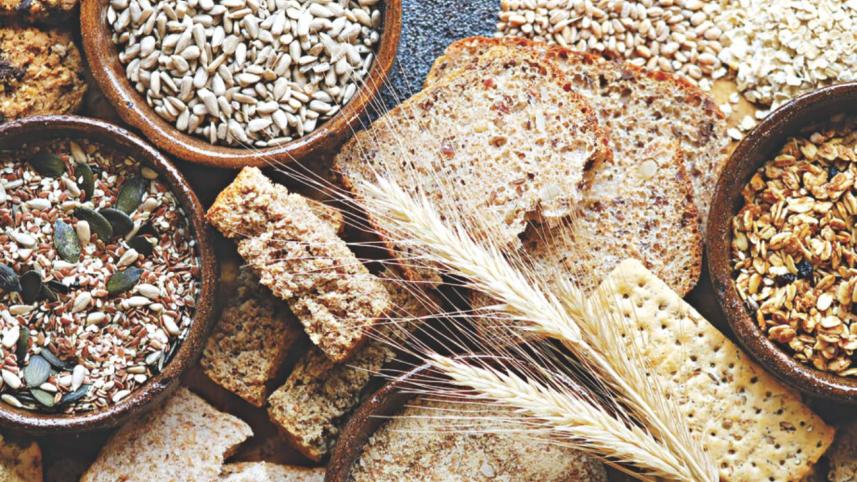
Observational studies and clinical trials conducted over nearly 40 years reveal the health benefits of eating at least 25g to 29g or more of dietary fibre a day, according to a series of systematic reviews and meta-analyses published in The Lancet.
The results suggest a 15-30% decrease in all-cause and cardiovascular related mortality when comparing people who eat the highest amount of fibre to those who eat the least. Eating fibre-rich foods also reduced incidence of coronary heart disease, stroke, type 2 diabetes and colorectal cancer by 16-24%. Per 1,000 participants, the impact translates into 13 fewer deaths and six fewer cases of coronary heart disease.

In addition, a meta-analysis of clinical trials suggested that increasing fibre intakes was associated with lower bodyweight and cholesterol, compared with lower intakes.
The study was commissioned by the World Health Organisation to inform the development of new recommendations for optimal daily fibre intake and to determine which types of carbohydrate provide the best protection against non-communicable diseases (NCDs) and weight gain.
 For all latest news, follow The Daily Star's Google News channel.
Comments