


Can doctors prescribe friendship instead of medicine?
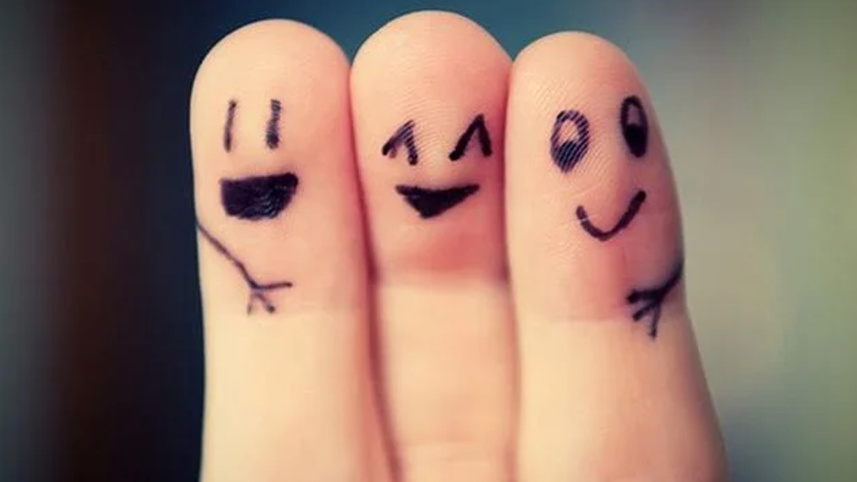
Imagine visiting a doctor feeling lonely, anxious or stuck, and leaving not with a packet of pills but with an invitation to join a walking group, paint, plant vegetables or volunteer.
This is “social prescribing”, an approach that connects people with activities and support in the community. Rather than treating every problem with medicine, it recognises that companionship, purpose and enjoyable routines can also shape how people feel.

A large UK study published in Nature Health in 2026 followed thousands of people using social prescribing services. Within one to six months, participants reported greater happiness and life satisfaction, a stronger sense that life was worthwhile, and less anxiety. The improvements appeared across different social and economic groups.
The idea is not that friendship replaces medicines or professional care. Instead, it can sit beside them. Someone struggling with loneliness might benefit from a gardening club; another person may rediscover confidence through art, exercise or volunteering.
For countries such as Bangladesh, where busy clinics leave little room to discuss loneliness or social isolation, the idea deserves attention.
Perhaps the prescription pad of the future will sometimes contain something surprisingly simple: “Meet people. Move. Create. Belong.”
 For all latest news, follow The Daily Star's Google News channel.
Comments