


Birth control is changing!
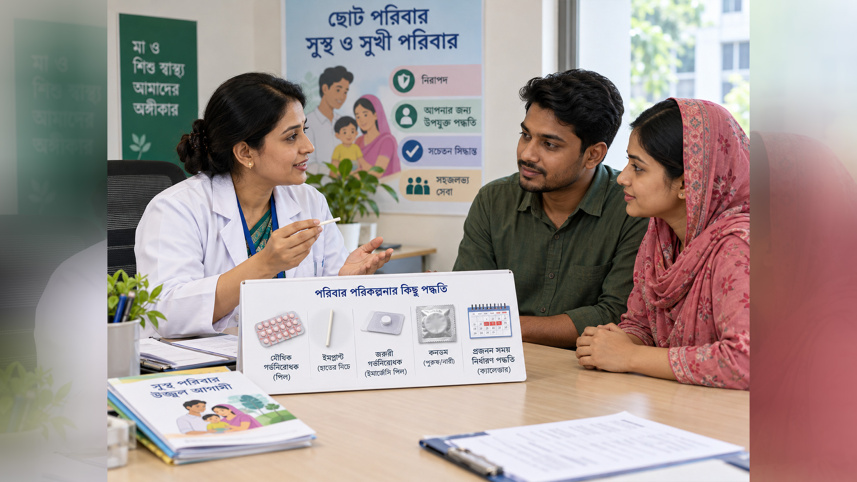
Millions of women around the world could have more contraceptive choices following updated guidance from the World Health Organisation (WHO) on safe and effective family planning.
WHO says around 164 million women who want to delay or avoid pregnancy are not using contraception. The new recommendations aim to widen choice and make family planning more flexible and convenient.

One important change concerns the combined oral contraceptive pill. Instead of following only the usual monthly cycle, women may use it continuously for up to a year, or for extended periods of up to six months. WHO also supports the use of contraceptive implants for as long as five years, which could reduce replacement procedures, clinic visits and costs.
The guidance also recommends mifepristone as another option for emergency contraception. It should be taken as soon as possible and within five days of unprotected sex.
These changes are especially relevant for Bangladesh. Although the country has made substantial progress in family planning, millions of women still have an unmet need for modern contraception. Bangladesh’s National Family Planning Strategy 2025–2030 also highlights continuing challenges, including early marriage, adolescent pregnancy, regional inequalities and heavy reliance on short-acting contraceptive methods.
Longer-lasting implants and more flexible contraceptive options could be particularly useful for women in rural and hard-to-reach areas, where repeated visits to health facilities may be difficult.
WHO is also looking towards contraception for men. Condoms, withdrawal and vasectomy remain the main male-controlled methods, but several reversible hormonal and non-hormonal options are being studied.
For Bangladesh, the wider message is clear: family planning should focus on informed choice, easier access and shared responsibility between women and men.
 For all latest news, follow The Daily Star's Google News channel.
Comments