


Advances in surgical oncology bringing new hope to Bangladesh

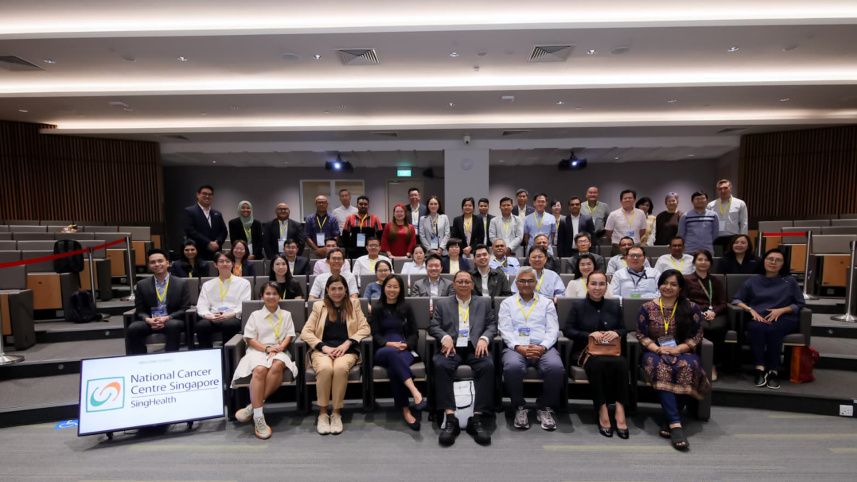
As cancer continues to rise across South Asia, global collaboration and advances in surgical oncology are offering new hope for patients. The 3rd SingHealth Peritoneal Surface Oncology Conference, organised by the Department of Sarcoma, Peritoneal and Rare Tumours (SPRinT) at the National Cancer Centre Singapore, brought together leading experts to share innovations in treating complex cancers, particularly those affecting the peritoneal surface. Among the contributors was Bangladeshi surgical oncologist Dr Hasan Shahriar Md Nuruzzaman (Kallol), who presented his team’s early experience in managing advanced peritoneal malignancies—an area where treatment options have traditionally been limited.
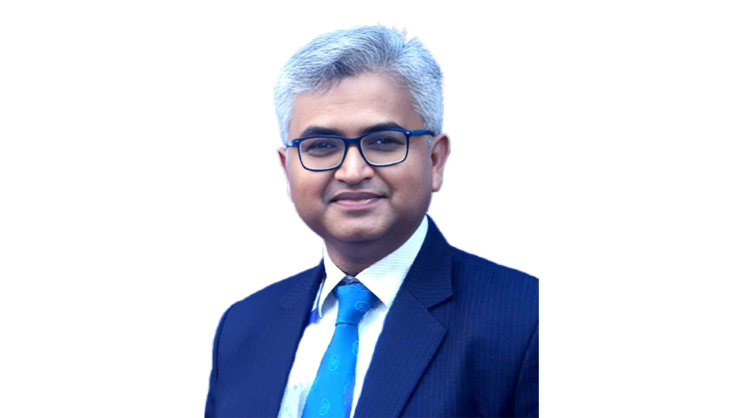
Dr Kallol, an Associate Professor of Surgical Oncology at the National Institute of Cancer Research & Hospital (NICRH) in Dhaka, represents a growing cohort of Bangladeshi specialists striving to bridge the gap between global advances and local practice. With training in international centres, including the National Cancer Centre Singapore, his work focuses on improving outcomes for patients with complex cancers such as breast, gastrointestinal, and peritoneal malignancies.

In Bangladesh, cancer patterns reflect both global trends and local challenges. According to Dr Kallol, breast cancer remains the most common among women, followed by cancers of the cervix and uterus, while men frequently present with cancers of the lung, oesophagus, and stomach. However, a major limitation remains the absence of a comprehensive national cancer registry, making it difficult to fully understand the burden of disease. While some institutional data exist, a coordinated, nationwide effort is still lacking—something he believes is both feasible and urgently needed.
One of the most pressing challenges is late diagnosis. Many patients initially seek care from informal providers or delay medical consultation, often arriving at specialised centres only when the disease has advanced. This delay significantly reduces the chances of successful treatment. Dr Kallol emphasises that early detection remains the most effective way to improve survival, urging greater public awareness and timely medical evaluation.
At the same time, surgical oncology has evolved dramatically over the past two decades. Procedures that were once highly invasive are now safer and more precise, with reduced blood loss and improved recovery. In breast cancer, for instance, many patients can now undergo breast-conserving surgery instead of complete removal. Similarly, advanced techniques such as cytoreductive surgery (CRS) combined with intraperitoneal chemotherapy are offering new possibilities for patients with peritoneal cancers—conditions that previously carried a poor prognosis.
Despite these advances, Bangladesh faces a critical shortage of specialised cancer surgeons. According to the GLOBOCAN 2022 (International Agency for Research on Cancer, WHO), Bangladesh records approximately about 167,000 new cancer cases per year. Dr Nuruzzaman highlights the need for long-term investment in training while also equipping general surgeons with basic oncological principles to bridge the gap in the interim.
Beyond technical expertise, he underscores the importance of communication and trust. Many patients remain skeptical about local treatment and seek care abroad, often unnecessarily. Clear communication, patient education, and a more compassionate approach, he argues, are essential to rebuilding confidence in the country’s healthcare system.
Ultimately, the future of cancer care in Bangladesh depends not only on technology, but also on teamwork. Effective treatment requires close collaboration between surgeons, oncologists, radiologists, pathologists, and nurses. As global knowledge continues to expand, integrating these multidisciplinary approaches locally may be the key to transforming cancer outcomes in the country.
E-mail: tareq.salahuddin@thedailystar.net
 For all latest news, follow The Daily Star's Google News channel.
Comments