


Call to close gaps in prevention and treatment
The World Health Organisation (WHO) is calling on the global health community to urgently address significant gaps in the prevention, diagnosis and treatment of malaria. Despite dramatic declines in malaria cases and deaths since 2000, more than half a million lives are still lost to this preventable disease each year.
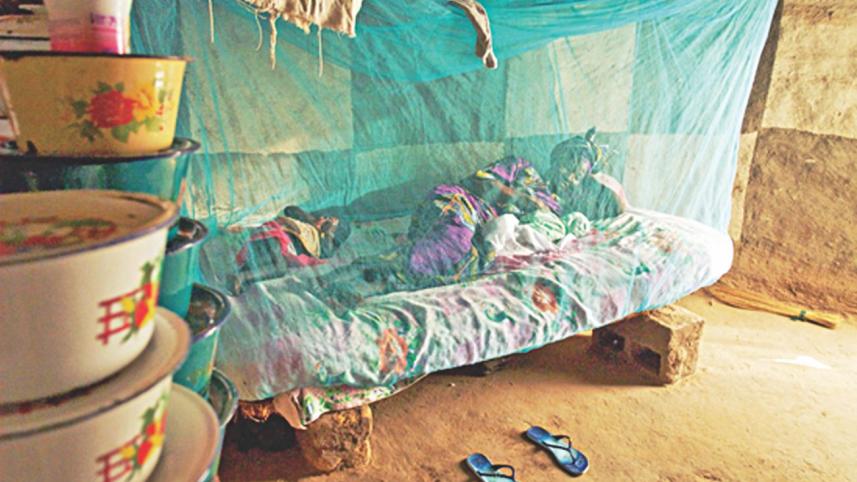
At least three quarters of malaria deaths occur in children under 5. Yet in 2013, only about 1 in 5 African children with malaria received effective treatment for the disease, 15 million pregnant women did not receive a single dose of the recommended preventive drugs, and an estimated 278 million people in Africa still live in households without a single insecticide-treated bednet.

"As we celebrate World Malaria Day on April 25, we must recognise the urgent need to expand prevention measures and quality-assured diagnostic testing and treatment to reduce the human suffering caused by malaria," says Dr Hiroki Nakatani, WHO Assistant Director-General for HIV/AIDS, Tuberculosis, Malaria and Neglected Tropical Diseases.
Updated "Guidelines for the Treatment of Malaria" are being issued by WHO this week. They include the latest recommendations on preventive treatment for infants, children under 5 and pregnant women. The updated guidelines should help expand access to recommended treatments.
For uncomplicated malaria cases, WHO recommends the use of artemisinin-based combination therapies (ACTs). Globally, 392 million ACT courses were procured by malaria-endemic countries in 2013, up from just 11 million in 2005. However, millions of people are still not treated for malaria, primarily because the communities most affected by the disease have limited access to health care.
WHO recommends diagnostic testing for all suspected malaria cases to ensure that malaria drugs are used only for those who have the disease and that — when a test is negative — other causes of fever are investigated.
Rapid diagnostic tests (RDTs) are now widely available and more than 319 million were purchased in 2013 compared to 46 million in 2008. Despite this progress, nearly 40% of people with suspected malaria at public health facilities in Africa are not tested.
WHO also recommends that the most vulnerable groups in malaria-endemic areas of sub-Saharan Africa—pregnant women, children under 5, and infants—receive preventive treatment to reduce the risk of malaria infection. Preventive treatments are highly cost-effective, with the potential to save tens of thousands of lives each year. Coverage with such treatments, however, remains low and needs to be significantly scaled up.
The need to urgently address gaps in preventive treatment for malaria is also being highlighted by the Roll Back Malaria (RBM) Partnership, which has issued a global call to action to increase national coverage with preventive treatment in pregnancy.
Source: World Health Organisation
 For all latest news, follow The Daily Star's Google News channel.
Comments