


Pharmaceutical pollution gravely affecting rivers worldwide: Study
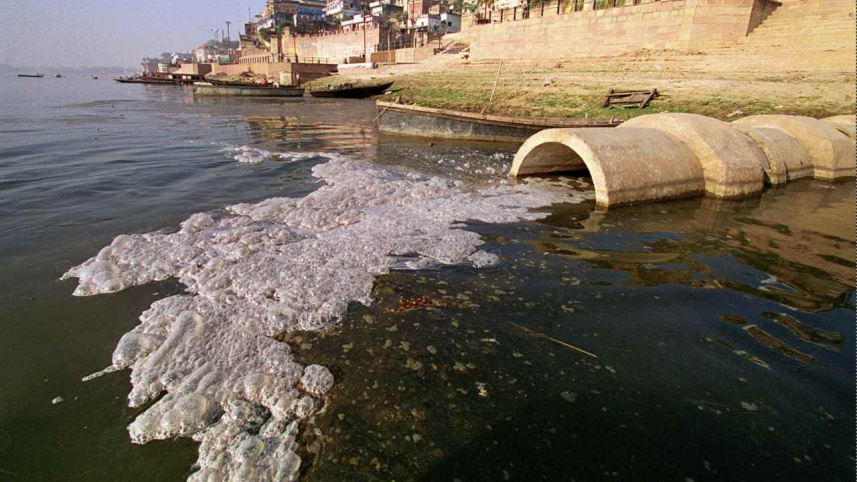
A recent study by the University of York has found that pharmaceutical pollution is affecting rivers across the world including Bangladesh.
Humanity's drugs now pose a global threat to the environment and health, concluded the scientists behind the research article "Pharmaceutical pollution of the world's rivers" -- published in the Proceedings of the National Academy of Sciences journal, reports The Guardian.

This is the most comprehensive and biggest study of its nature to date and represents the impact of river pollution on 470 million people, The Guardian report adds.
For the study, scientists measured the concentration of 61 active pharmaceutical ingredients (APIs) at more than 1,000 sites along 258 rivers in 104 countries -- covering all continents.
The sampling site from Bangladesh's Barishal, saw the greatest exceedance of the safe target of antimicrobial APIs which come from antibiotics.
At the site in Barishal, the highest concentration of the antibiotic metronidazole was over 300 times higher than the safe target, researchers found.
The findings are crucial for Bangladesh as environmental exposures of antimicrobial APIs may result into antimicrobial resistance (AMR) crisis locally and globally.
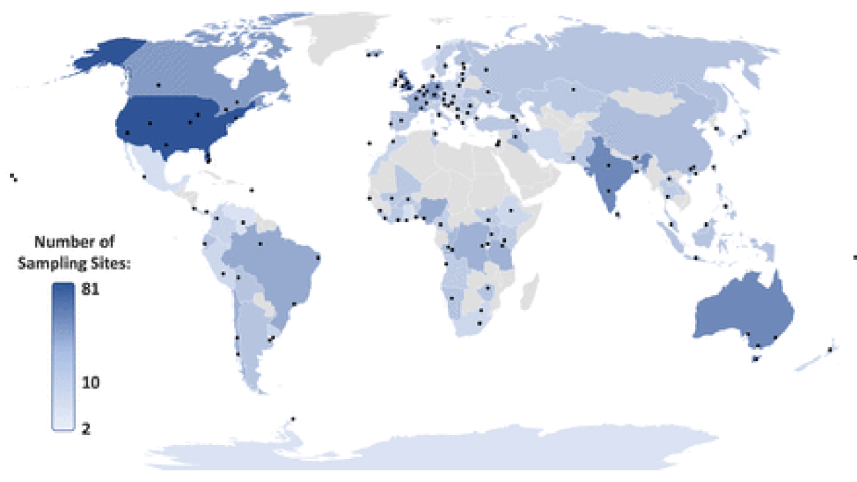
THE HIGHEST API CONCENTRATIONS WERE OBSERVED IN PLACES WHICH FELL UNDER THE FOLLOWING CRITERIA
1. Sampling sites receiving inputs from pharmaceutical manufacturing (e.g., Barishal, Bangladesh and Lagos, Nigeria).
2. Sites receiving discharge of untreated sewage (e.g., Tunis, Tunisia and Nablus, Palestine).
3. Locations in particularly arid climates (e.g., Madrid, Spain).
4. Sites receiving sewage exhauster truck emissions and waste dumping (e.g., Nairobi, Kenya and Accra, Ghana).
The most frequently detected APIs were an anti-epileptic drug, carbamazepine -- which is hard to break down, the diabetes drug metformin, and caffeine.
All three were found in at least half of the sites, according to the study. Antibiotics were found at dangerous levels in one in five sites and many sites also had at least one API at levels considered harmful for wildlife, with effects such as feminising fish.
Of all the sampling sites, only two places were unpolluted -- Iceland and a Venezuelan village where the indigenous people do not use modern medicines.
 For all latest news, follow The Daily Star's Google News channel.
Comments