


From Rights to Reality: Advancing Justice and Action for All Women and Girls in Bangladesh
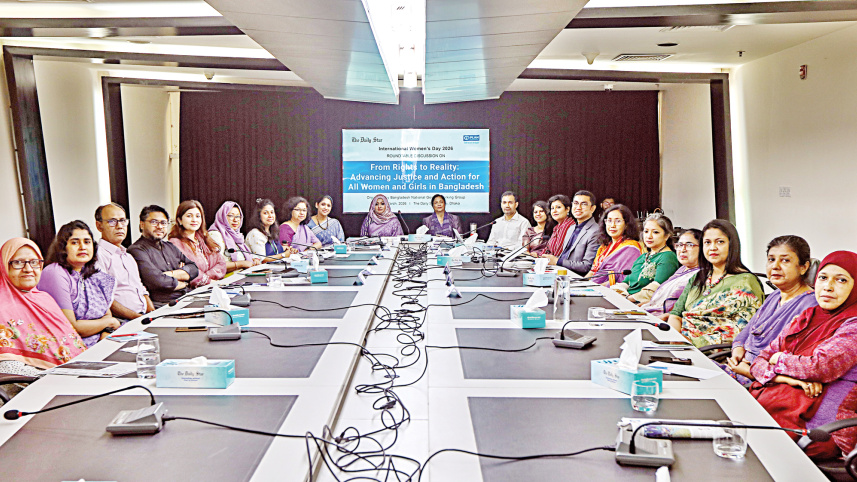
A roundtable was organized on March 9, 2026, by Bangladesh National Gender Working Group (BNGWG) in partnership with Plan International Bangladesh and The Daily Star, marking International Women’s Day 2026 under the theme “Rights, Justice, Action for all women and girls.” This discussion created a space for deeper reflection on the current realities faced by women in Bangladesh. Participants explored the gap between progress and practice, assessing women’s position in leadership and political representation, while identifying key barriers that continue to limit meaningful participation. The dialogue also emphasised the need for collective actions, bringing together civil society representatives, development partners, and gender experts to chart a way forward.
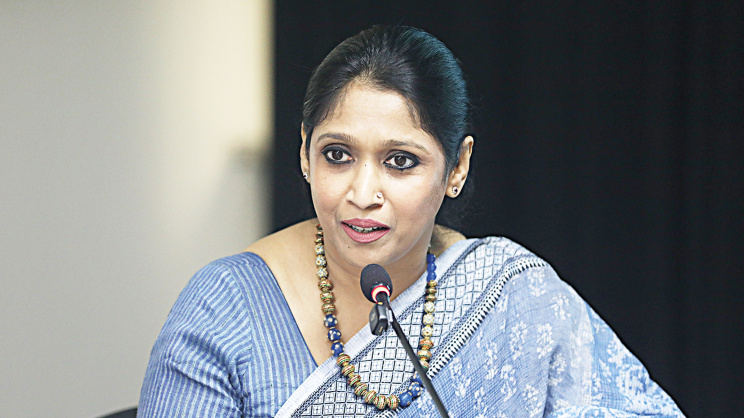
Dr. Tania Haque
Professor
Department of Women and Gender Studies

In Bangladesh’s political sphere, women’s participation often remains visible but not always meaningful, as involvement in movements does not consistently translate into sustained leadership roles. Social norms and policy approaches still tend to view women as passive participants rather than active decision-makers, creating a gap between representation and real influence. Strengthening women’s political leadership requires early support from families and an education system that promotes leadership skills, critical thinking, and broader exposure beyond academic achievement. At the same time, fostering a more respectful and inclusive political culture is essential, with greater emphasis on positive behaviour and communication among leaders. Encouraging shared responsibilities within households can also support this shift, helping build mutual respect and balance. A combined focus on capacity, mindset, and inclusion can help ensure more meaningful and effective participation of women in politics.
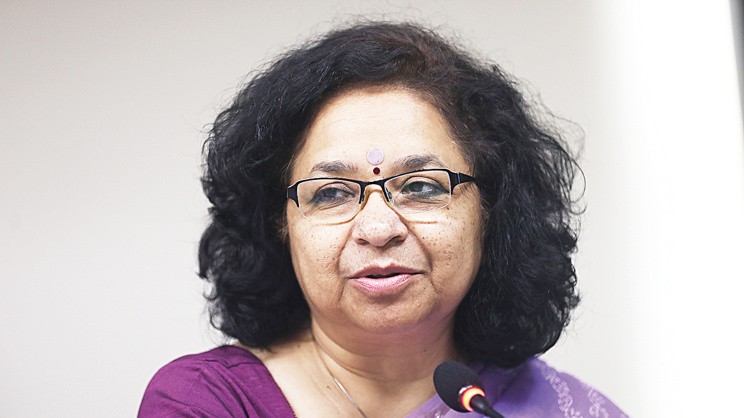
Banasree Mitra Neogi
Director – Rights & Governance
Manusher Jonno Foundation
Women’s influence on policy and government decision-making remains limited. Despite a long history of activism and visible progress in education, health, and economic participation, structural and cultural barriers persist. Male-dominated political culture reduces the space for women to participate in politics from the grassroots to the national level. Hesitations originated from male dominated social and structural barriers further restricts women’s voices, even when awareness of injustice exists. Political rights, rooted in broader social, economic, and cultural contexts, continue to be constrained. Women’s participation is not growing at all in the parliament, suggesting systemic gaps. To ensure women’s progress from grassroots to leadership roles, strengthening democratic processes within parties and creating supportive environments are needed. Promoting rights-based awareness can support more active engagement. A more inclusive approach, supported by institutions, can help women contribute more effectively to governance and justice.
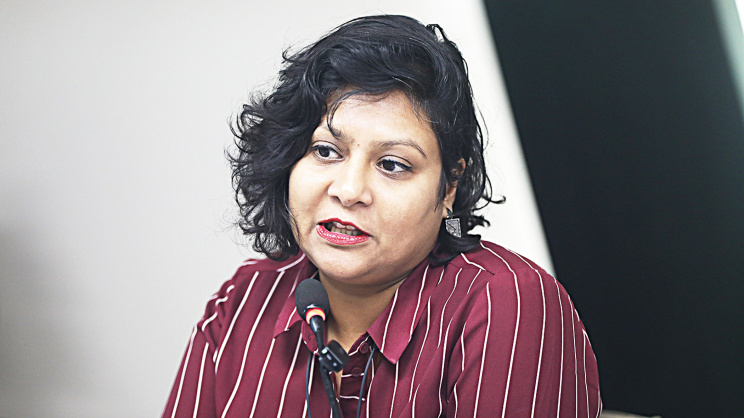
Tasaffy M Hossain
Founder and Managing Director
Bonhishikha
Three major areas around which women’s participation in public life revolves are access, opportunity, and representation. Across all three, a substantial gap persists between legal provisions and their actual implementation. Although policies mandate measures such as 33% women’s leadership in political parties, targets remain unmet due to weak enforcement and lack of accountability. Even recent commitments to increase women’s nominations fell short, highlighting persistent gaps. Progress requires more than policy alone; accessibility must be ensured, opportunities expanded, capacities built, and entrenched societal mindsets challenged. Women leaders are active and capable, yet social barriers often limit them, constraining their meaningful participation. Immediate priorities include strengthening safety and security through legal frameworks and sensitisation, alongside systemic reforms in governance, education, and workplaces to ensure inclusive, accountable, and sustainable advancement.
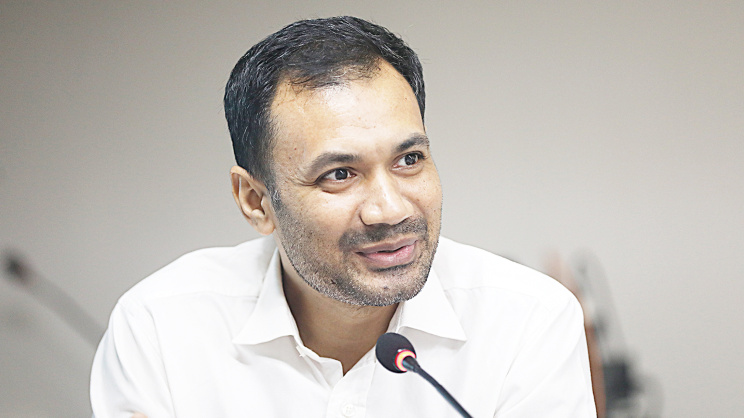
Md Sanaul Haque Mondal
Assistant Professor, Department of Social Relations
East West University
Bangladesh’s governance system reflects notable progress in gender-sensitive policies, with constitutional provisions, national frameworks, and international commitments in place to protect women’s rights. Women’s representation has also increased across national and local institutions, indicating positive movement in visibility. However, greater focus is needed to translate these commitments into practice. Meaningful participation in decision-making remains limited, and increased numbers have not always ensured stronger influence. Gender considerations are present in policy areas such as climate change, food security, education, and local development, but implementation requires strenthening. Institutional efforts towards socio-economic empowerment continue, though often focused more on numerical inclusion than substantive participation. Political engagement largely remains symbolic, with limited impact despite increased reserved seats. Overall, while policy frameworks appear moderately gender-responsive, a significant gap persists between commitments and real-world outcomes.
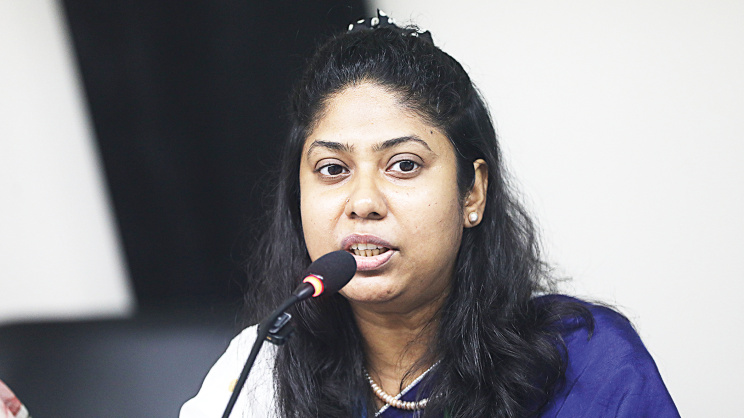
Rowshon Akhter Urmee
GenderSpecialist
Oxfam
Women’s participation in politics remains limited despite representing nearly half of the voters, with less than 4% candidates in recent elections and very few elected in direct seats. Political party gatekeeping remains a major barrier, with some parties nominating no women at all and others relying on familial or network-based access rather than merit. Violence and intimidation further discourage participation, as women candidates face bullying, smear campaigns, and gendered attacks. Additionally, entrenched patriarchal norms confine women to reserved seats, limiting their role in mainstream, competitive politics and reinforcing stereotypes. These interconnected barriers continue to restrict meaningful participation, underscoring the urgent need for critical reflection and targeted action to ensure genuine political justice.
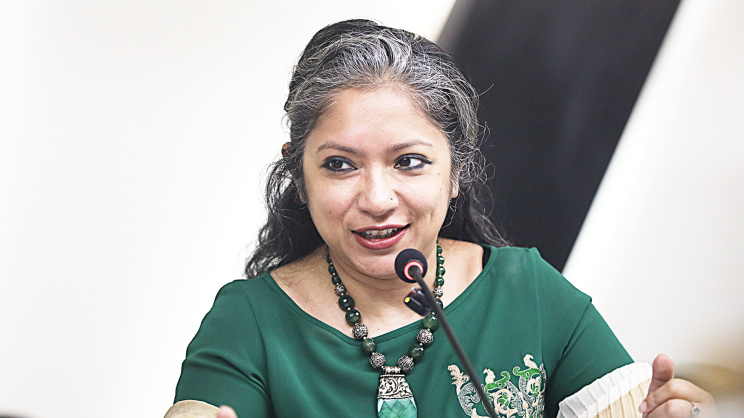
Tasnuva Ahmed
CEO and Managing Director
Cloud Convoy
At a recent investment summit, major political parties showcased women’s participation on paper, yet during elections, these women were not nominated, exposing the gap between policy and practice. Political hierarchies remain male-dominated, making it difficult for women to raise their voices or gain acceptance. Access and participation often exist only on paper, and despite NGO efforts to promote inclusion, institutional frameworks remain insufficient. Even with mandated female membership percentages, nominations remain low, with only 2.33% of women elected to Parliament. Reserved seats ensure visibility, but mainstream inclusion is still limited. Institutionalising women’s participation is urgently needed to secure meaningful representation and influence.
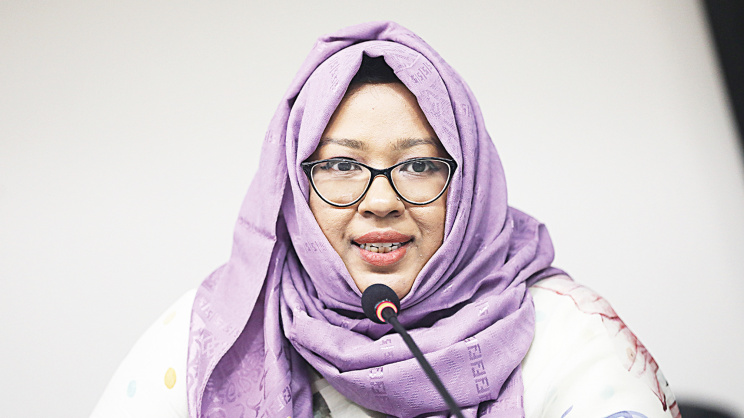
Shahmina Isha Mannan
Gender and Policy Consultant
FBCCI, CWCCI, and Cape
Politics is often viewed negatively, causing many to distance themselves, yet this masks the deeper issue of systematic exclusion. At the grassroots level, women hold reserved seats in Union Parishads, but numerical representation has not translated into meaningful participation. Many women members remain unaware of their political rights and responsibilities, and are excluded from decision-making processes such as budgeting and planning. Strengthening awareness and capacity at this level is essential. The justice system also faces challenges, including limited resources, case backlogs, and delays that can hinder timely redress, particularly in cases affecting women. Improving accessibility, responsiveness, and accountability within police and judicial institutions remains crucial. Greater coordination among political parties, local government, and state institutions can help ensure more inclusive participation. Expanding training opportunities, addressing institutional biases, and strengthening accountability mechanisms can create a more enabling environment for women’s meaningful political engagement.
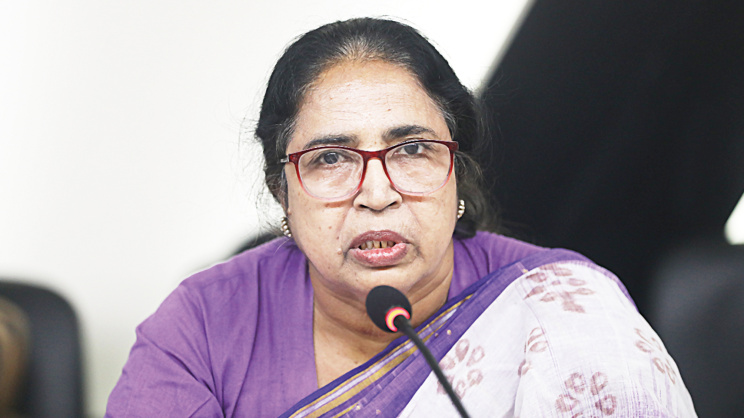
Quazi Baby
CEO
Participatory Development Action Program (PDAP)
Harassment and abuse in digital spaces are rising, with many women experiencing online threats, sexualised images, and intimidation. This abuse extends beyond the internet, directly affecting women’s safety in daily life and fostering fear of offline violence. Women in public life are particularly vulnerable, with some forced to resign due to persistent threats. In urban areas, limited awareness of online abuse and cyber hygiene remains a challenge, while rural areas face even greater difficulties due to lower awareness and restricted access to digital resources. Ensuring digital safety also requires addressing social stigma and traditional norms that discourage women from using the internet. Schools and NGOs can support safe online practices through cyber clubs and peer learning. Globally, fewer than 40% of countries have laws against cyber harassment, leaving 1.8 billion women and girls without legal protection.
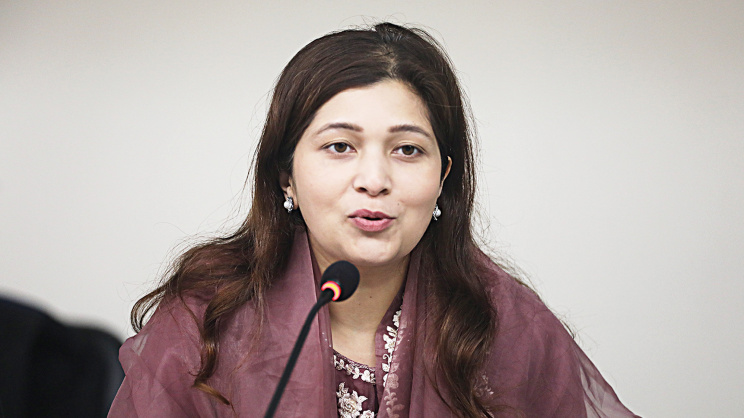
Anika Tahsin Khan
National Gender Consultant
GIZ
Political exclusion of women has deep historical roots and cannot be explained by a single factor. While attention often focuses on intersecting identities, such as youth or persons with disabilities, exclusion affects women as a whole. Recent elections highlighted the political power of gender narratives, with women’s empowerment driving campaigns and high voter turnout, including in rural areas. Yet meaningful participation in leadership and governance remains limited, and women are frequently sidelined in decision-making. Even after decades of work by international organisations, persistent biases continue, with institutional practices framing women as exceptions rather than equals. The key issue is not merely how exclusion occurs, but why it endures. Rural women, despite significant capability and labour, face additional social and economic barriers restricting their political voice and representation.
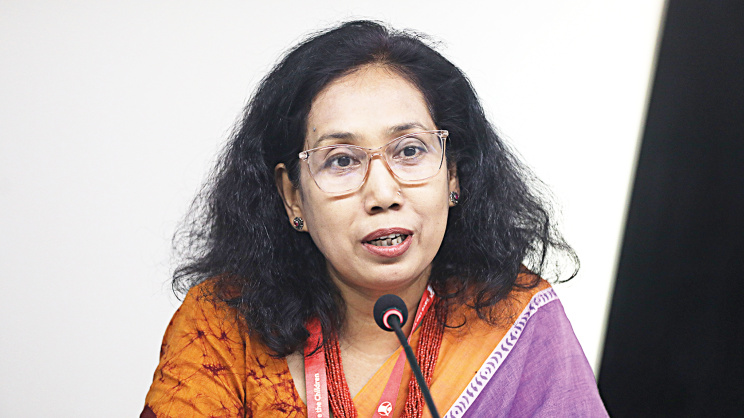
Rasheda Akter
Technical Manager - Gender Equity and Social Inclusion
Save the Children
 For all latest news, follow The Daily Star's Google News channel.
 Years of work on women’s rights provided some reassurance that progress, though slow, was underway. Yet the anti-discrimination movement of 2024, the 2026 election, and the surrounding public discourse on women’s rights, leadership, and even clothing created a sense that hard-won gains had suddenly been pushed back. Gender-related discussions are being widely shared across digital platforms without accountability. Such narratives normalise harassment and reinforce violence against women. Incidents of domestic abuse and attacks on women in public spaces illustrate the consequences of this environment. Discussions alone are not enough. Women’s rights must be recognised and institutionalised through accountable systems—from the highest levels of the state to families, institutions, and schools, ensuring women’s representation, mobility, safety, and equal agency in society.
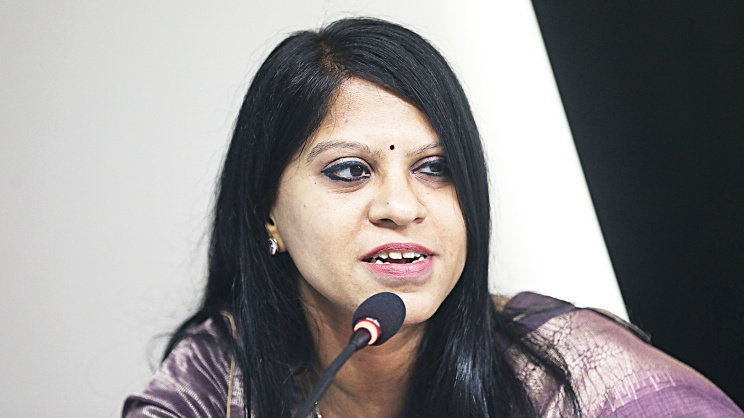
Sanjida Ahmed
Gender, Diversity, Inclusion & Protection Advisor
Plan International
Patriarchal attitudes are deeply rooted, and awareness programmes alone rarely bring lasting change. Legal frameworks, therefore, remain an important tool, as the presence of law and enforcement can create accountability and deterrence. While Bangladesh has laws addressing violence against women and child marriage, gaps remain in addressing sexual harassment and political violence against women. Institutional protection mechanisms are also essential, particularly within government and political institutions, where gender focal points could monitor and respond to such issues. Online spaces present another growing concern, as women frequently face bullying and harassment on digital platforms. Safe reporting systems that ensure privacy and confidentiality are critical. Alongside legal reforms, gender-sensitive security protocols, capacity building, and inclusive political cultures with clear codes of conduct are necessary, supported through collaboration between political actors and civil society.
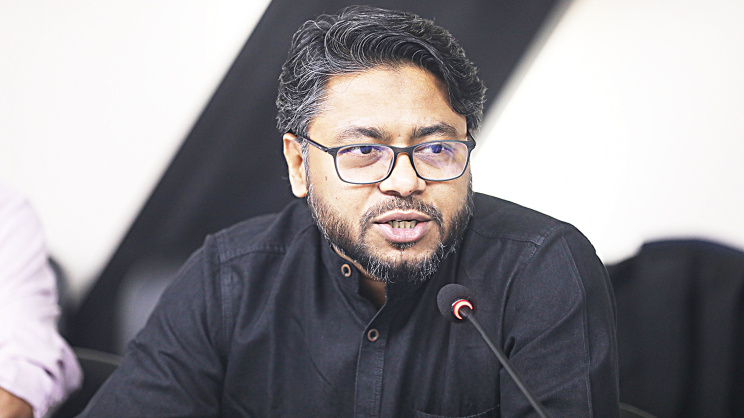
Khandoker Shohel Rana
Advocacy and Communications Coordinator
Sightsavers
Gender budgeting in Bangladesh has declined over the past two fiscal years, with fewer ministries and departments allocating gender-focused funds. Leadership in BCS administration shows a downward trend in women’s recruitment, and political participation reflects a focus on representative presence rather than rights, equality, or equity. At the local level, elected women members often lack information or training to perform their roles effectively, highlighting the need for a functional political ecosystem. Media representation is limited, with few women in leadership or reporting positions, and coverage of women’s issues often focuses on human-interest narratives rather than rights violations. Civil society policies exist, but gaps remain in implementation and accountability. Collaboration among development partners and organisations is essential to advance women’s representation, rights, and meaningful participation across governance, media, and society.
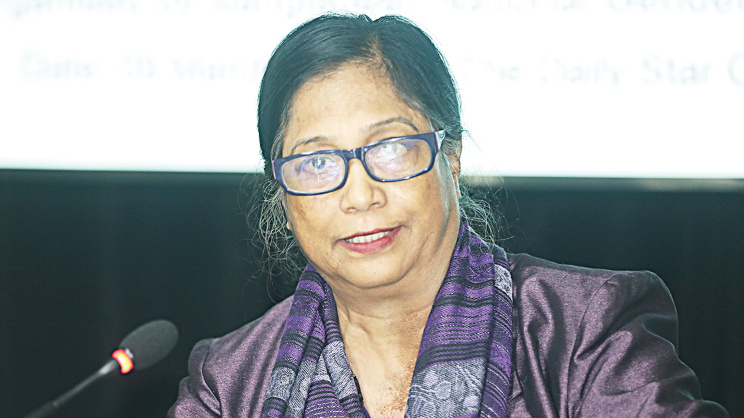
Kohinoor Yeasmin
Co-chair of BNGWG and CEO of TARANGO
Women have stepped forward, and progress is visible through short-, medium-, and long-term strategies, yet scaling up remains a challenge. At the grassroots and policy levels, elected women members in union councils are often uninformed, even when given supervisory responsibilities, lacking knowledge of budgets, projects, or expenditures. Questions raised by these women are frequently dismissed, leaving them politically excluded despite empowerment efforts. Young women and adolescent girls are showing courage, learning self-protection and leadership, but families must be informed to ensure safe participation. Coordinated efforts with organisations such as Plan International, Save the Children, and CARE, along with a clear roadmap, are essential to advancing women’s rights and meaningful political and social participation.
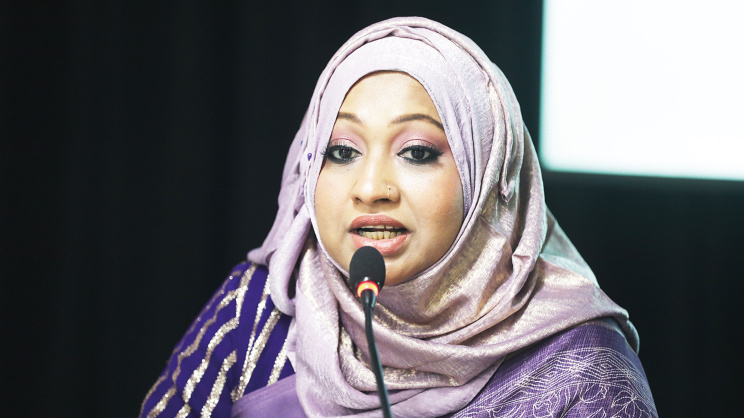
Kamrun Nahar
Chair, Bangladesh National Gender Working Group (BNGWG)
National Gender Expert Senior Consultant, GIZ
The long history of the women’s movement demands committed action to learn from the past and drive strong, sustainable systemic change. In government institutions, women’s issues are often confined to the Directorate of Women’s Affairs, highlighting gaps in independence, capacity, and inter-agency coordination. Political frameworks remain incomplete, with workplace harassment and bullying affecting women leaders and insufficient policies or monitoring to ensure equal participation and protection. Accountability is essential, with development agendas needing continuous consolidation and follow-up through a core committee to monitor implementation effectively. The media, civil society, NGOs, and government must collaborate to promote women’s leadership, enhance visibility, and ensure coordinated action. Only unified, collective efforts can deliver meaningful, lasting reform.
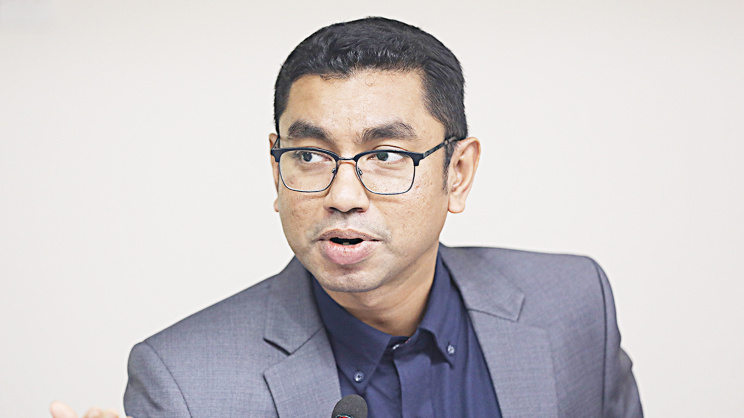
Tanjim Ferdous
Head of Strategic Partnerships
The Daily Star (Moderator of the Session)
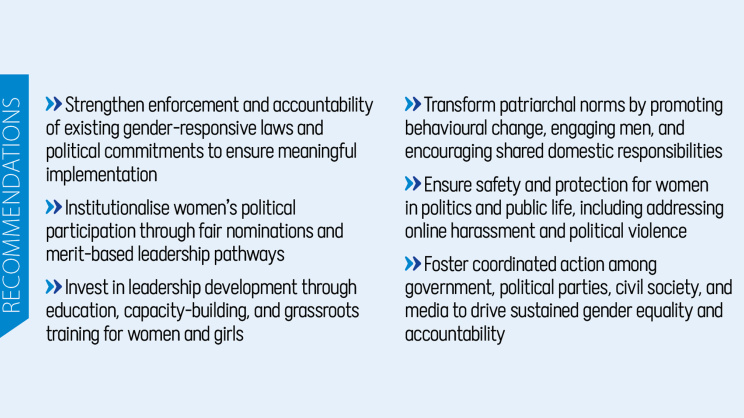
Entrenched social norms, systemic barriers, and weak accountability mechanisms continue to hinder women’s full participation in politics and equitable access to justice in Bangladesh. This roundtable convened civil society actors, development partners, and youth leaders to critically examine these challenges, identify emerging opportunities, and develop practical, actionable strategies to advance women’s empowerment and promote inclusive, gender-responsive governance across institutions and communities.
Comments