


Remembering the human cost of war: 141st WFMP at DU
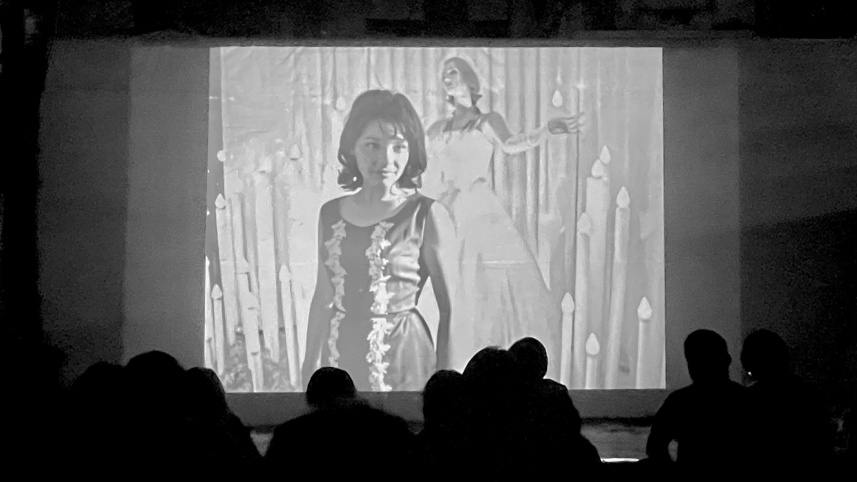
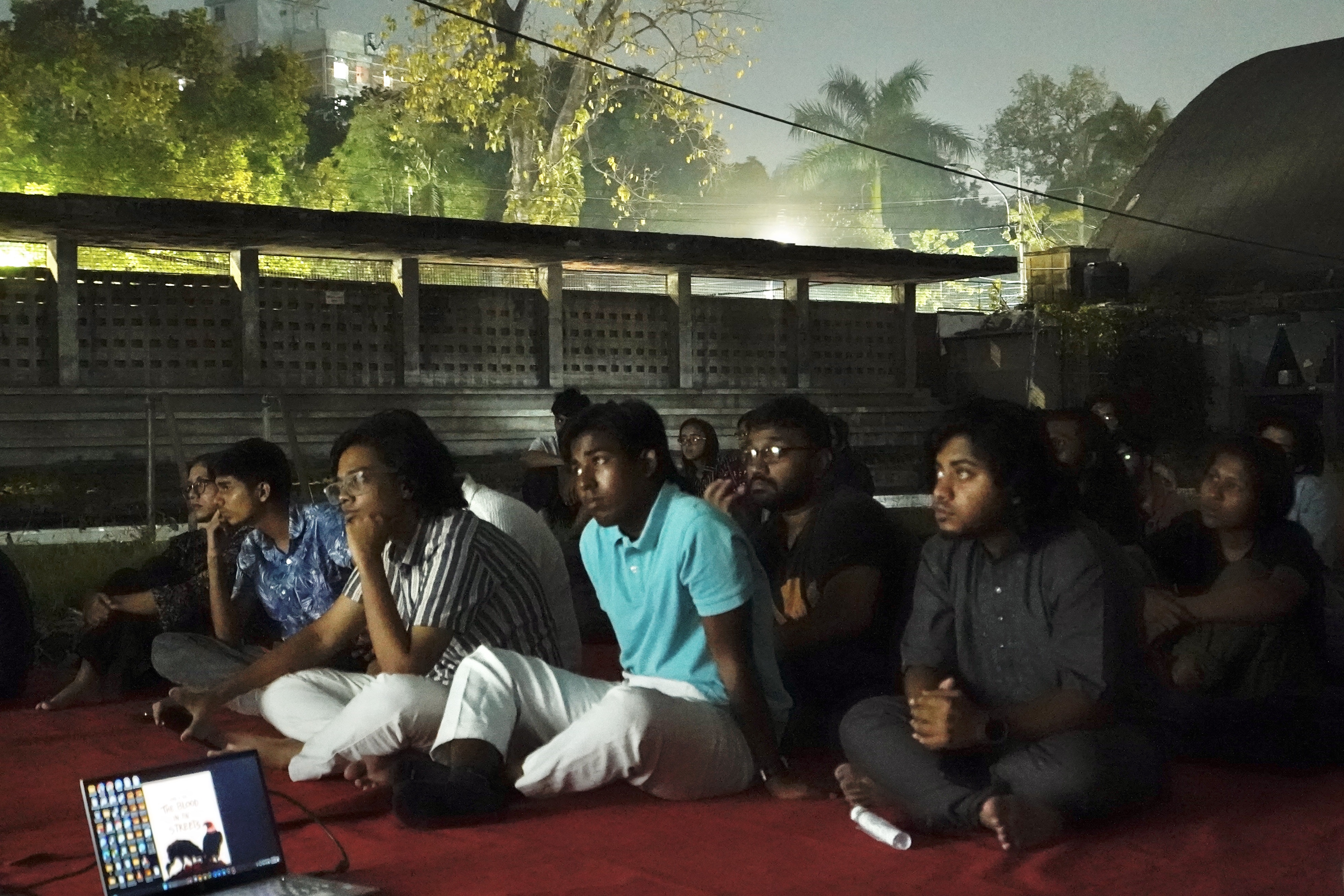
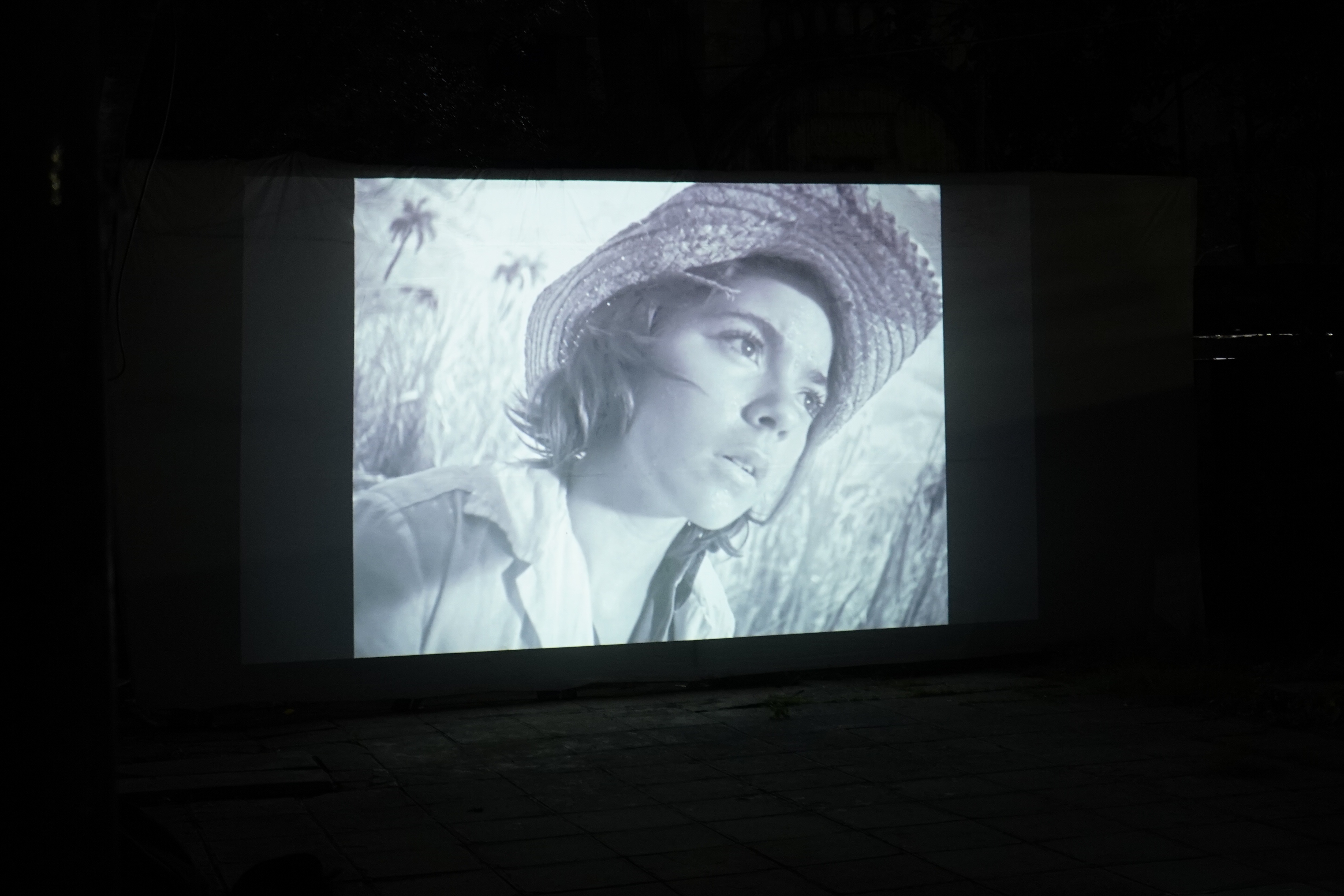
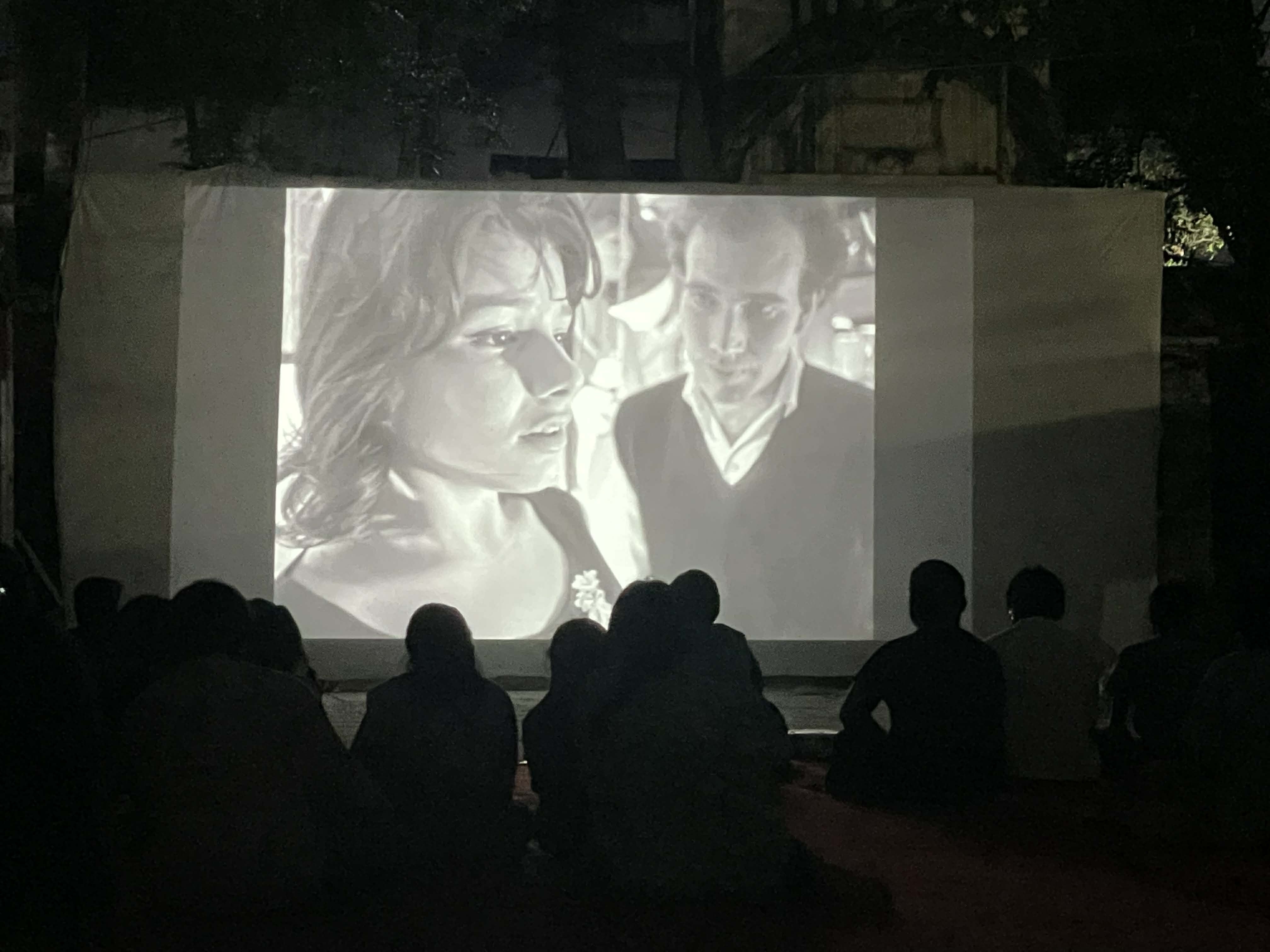
The 141st edition of the World Film Manifestation Programme (WFMP), organised by the Dhaka University Film Society, began on April 6 at the TSC swimming pool with a theme that carried unmistakable political urgency: “Come and See the Blood in the Streets.” Conceived as a programme on war, repression, and the social consequences of organised violence, this edition sought to bring viewers into direct engagement with films that examine moments of upheaval, alongside the structures of power that make such upheaval possible and recurrent.
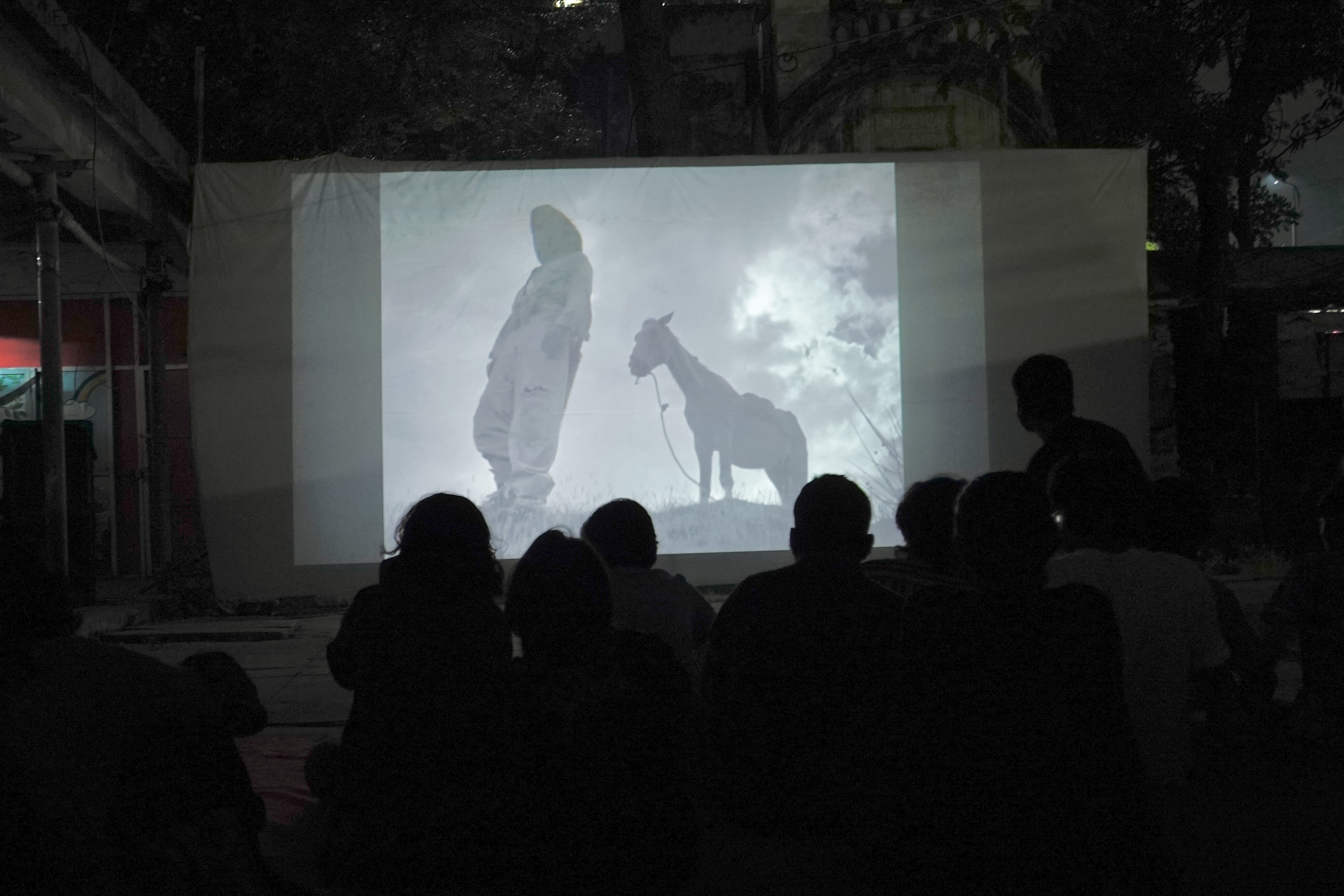

The opening day featured Mikhail Kalatozov’s “Soy Cuba” (1964), portraying pre-revolutionary Cuba under the Batista regime through four interconnected narratives of ordinary suffering. Its depiction of poverty, exploitation, and foreign domination established the programme’s political and emotional register. The film presents imperialism as a material force shaping daily life, eroding dignity, and producing conditions in which revolt appears less abstract than historically inevitable. In the context of present-day Cuba—marked by sanctions, fuel shortages, and declining essential services—the screening carried contemporary resonance.
The second day, scheduled for April 7, was set to deepen that inquiry through two films centred on children within the architecture of war. Although the screenings could not take place due to heavy rainfall, the selection itself reflected the rigour of the programme’s curatorial vision.
The first of the two was “The Voice of Hind Rajab” (2024), directed by Kaouther Ben Hania. The film reconstructs the final hours of a young girl trapped under bombardment in Gaza, confronting viewers with a form of violence that has become bureaucratically familiar and politically tolerated. Through desperate phone calls, interrupted pleas for rescue, and the unbearable knowledge of a child waiting within a zone of destruction, the film examines modern warfare from the perspective of those who endure it without protection. Its force lies not only in documenting a single tragedy but in exposing the conditions that make such tragedies routine. The child’s voice emerges as evidence, accusation, and historical record, compelling audiences to consider how occupation, militarisation, and international indifference strip civilians of safety, dignity, and even the possibility of mourning in peace.
The second scheduled screening, Bahman Ghobadi’s “Turtles Can Fly” (2004), shifts to a Kurdish refugee camp on the eve of the United States invasion of Iraq. The film follows Satellite, a resourceful boy who organises children to collect and dismantle landmines scattered across the landscape. What begins as a portrait of ingenuity gradually reveals a world in which childhood has already been reshaped by war. Ghobadi shows how conflict permeates the smallest details of life, shaping labour, language, fear, and memory. The children do not encounter war as a distant event; they live within its aftermath, and their daily survival becomes a measure of its enduring human cost.
Across geographies and histories, the selected films converge on a central concern: how violence becomes embedded within political systems and normalised within public consciousness. The programme offered a coherent reflection on how institutions, states, and global power structures produce lasting forms of human injury.
Despite the cancellation of its second day, the 141st WFMP made a serious and intellectually grounded intervention in campus cultural life. At a time when images of devastation risk losing impact through repetition, the Dhaka University Film Society assembled a programme that urged viewers to look more closely, think more historically, and recognise suffering not as distant material for consumption, but as a political reality demanding attention.
 For all latest news, follow The Daily Star's Google News channel.
Comments