


DIMFF 2027 returns to ULAB with a renewed focus on accessible cinema

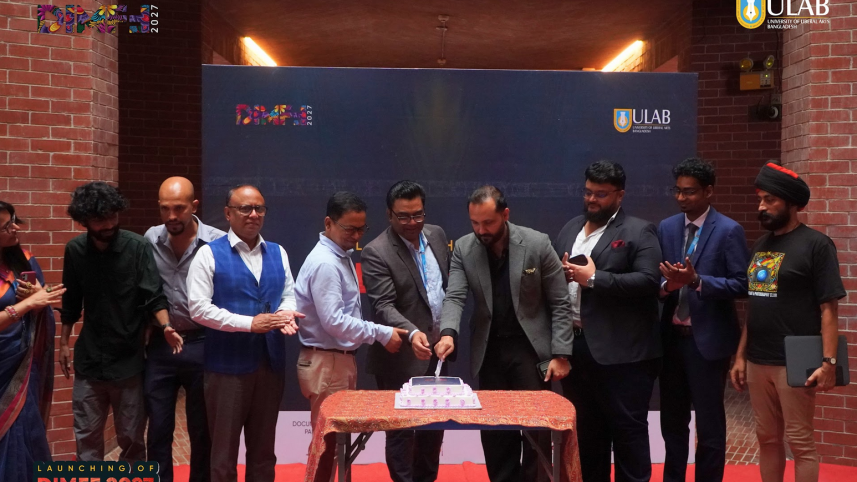
A rain-soaked evening at the University of Liberal Arts Bangladesh (ULAB) set the stage for the launch of the Dhaka International Mobile Film Festival (DIMFF) 2027 yesterday (June 19), bringing together filmmakers, students, academics, and industry professionals for a celebration of storytelling and accessible cinema.
Held at the university's Mohammadpur campus, the event combined cultural performances, discussions on filmmaking, and reflections on the evolving landscape of Bangladeshi cinema. The evening also reinstated DIMFF's longstanding mission: proving that compelling stories can be told without expensive equipment.

Opening the ceremony, ULAB Vice Chancellor Professor Shamsad Mortuza, Media Studies and Journalism Department Head Dr Din M Sumon Rahman, and DIMFF Festival Director Syeda Sadia Mehjabin reflected on the festival's transformation from a small apprenticeship initiative into an international platform for mobile filmmakers.
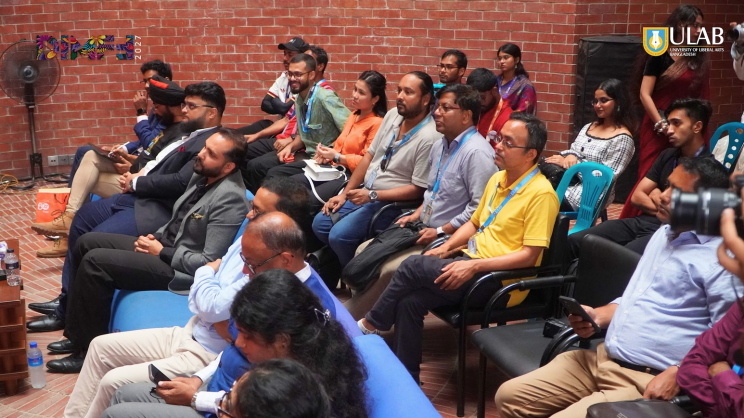
Central to the discussion was DIMFF's enduring belief that powerful storytelling, rather than expensive technology, is what defines great cinema.
That sentiment was echoed by Mrittika Kamal, lecturer at the Department of Media Studies and Journalism. "It doesn't matter where it has been shot because a story is a story. But the way DIMFF has given young filmmakers with no gear to tell their story is phenomenal," she said.
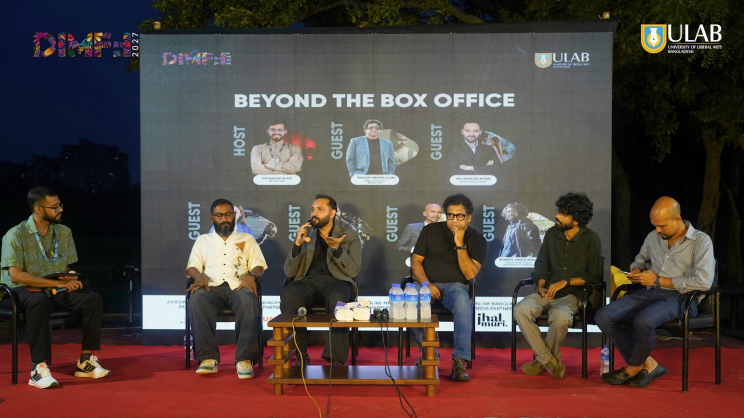
Following the opening session and cultural performances, the evening's main attraction, a panel discussion titled “Beyond the Box Office”, brought together filmmakers and producers from across the industry to discuss storytelling, audience engagement, and the future of Bangladeshi cinema.
Among the panelists was Md Shanjid Affan, co-producer of the film “Malik”. He spoke about the importance of prioritising story over star power, explaining that the film's narrative was developed before casting decisions were made. While multiple actors were considered, he noted that Arifin Shuvoo ultimately emerged as the ideal choice for the role.
Affan also addressed the declining cinema-going culture in Bangladesh, expressing concern that many audiences now rely heavily on reviews before deciding whether to watch a film.
Director and producer of “Bonolata Sen”, Masud Hasan Ujjal discussed the literary influences that have shaped his work. Drawing inspiration from books and poetry he encountered in his youth, Ujjal described his continued interest in pursuing unconventional forms of storytelling despite challenges related to audience expectations, budgets, and industry limitations.
When asked whether adapting a literary work as culturally significant as “Bonolata Sen” created additional pressure, he said his focus remained on exploring the depth of the story rather than the weight of its legacy.
Speaking to The Daily Star after the discussion, Ujjal expressed enthusiasm about the potential of literary adaptations in Bangladeshi cinema, noting that countless works of literature deserve cinematic interpretations. He also advised aspiring filmmakers to focus on both technical expertise and storytelling. "Without technical knowledge, the story cannot be told the way you want it to be. Without a story, visuals will not matter," he said.
Producer Shimul Chandra Biswas reflected on the audience response to “Roid”, attributing the film's acceptance to changing social attitudes and a growing willingness among Bangladeshi viewers to engage with bold narratives.
Meanwhile, Hafizuddin Munna and Monirul Haque Akash, creators of “University of Chankharpul”, discussed the challenges of working within the politically sensitive genre of satire and the risks associated with tackling controversial subjects.
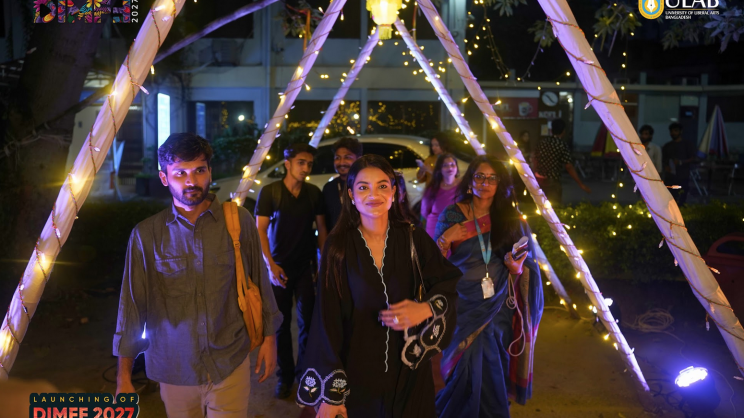
The second half of the evening featured actor Nazifa Tushi in a one-on-one conversation that also confirmed the return of “Cineta” in 2027. Tushi spoke candidly about fame, revealing that she does not see herself as a star despite her growing popularity.
"I am just an ordinary girl with my friends and family," she said, adding that she still experiences nervousness before shoots. Reflecting on her career choices, she explained that her attraction to diverse roles comes from a desire to experience lives and emotions different from her own.
The event concluded around 8 pm, leaving attendees with a renewed appreciation for the power of storytelling and a reminder that meaningful cinema can begin with something as simple as a smartphone.
 For all latest news, follow The Daily Star's Google News channel.
Comments