


In honour of Nazrul, inspired from Tagore: Chhayanaut hosts ‘Boshonto’

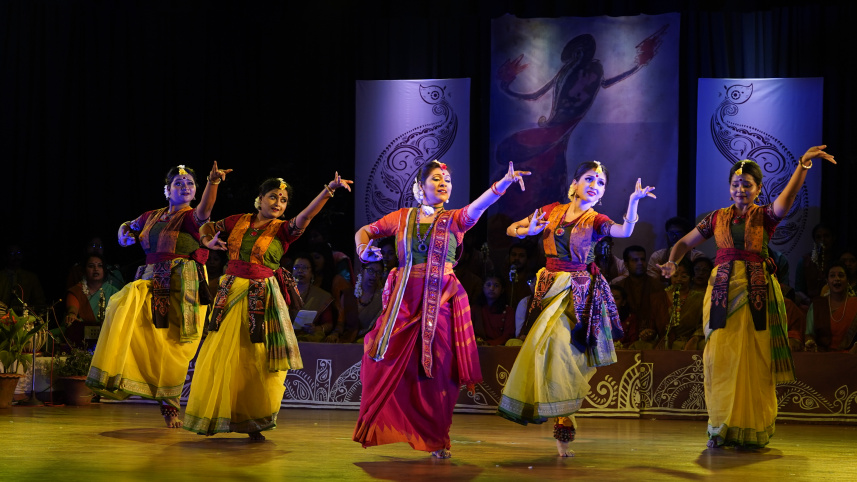
In the Bangla cultural calendar, spring often arrives not only in colour, but in melody. This season, that arrival takes shape in “Boshonto”, a lyrical play dedicated to poet Kazi Nazrul Islam, while drawing from the timeless world of Rabindranath Tagore.
Organised by the Dhaka metropolitan branch of Jatiya Rabindrasangeet Sammilan Parishad, the production was staged yesterday (April 7) at 6:30pm at Chhayanaut Sanskriti-Bhaban in Dhanmondi.

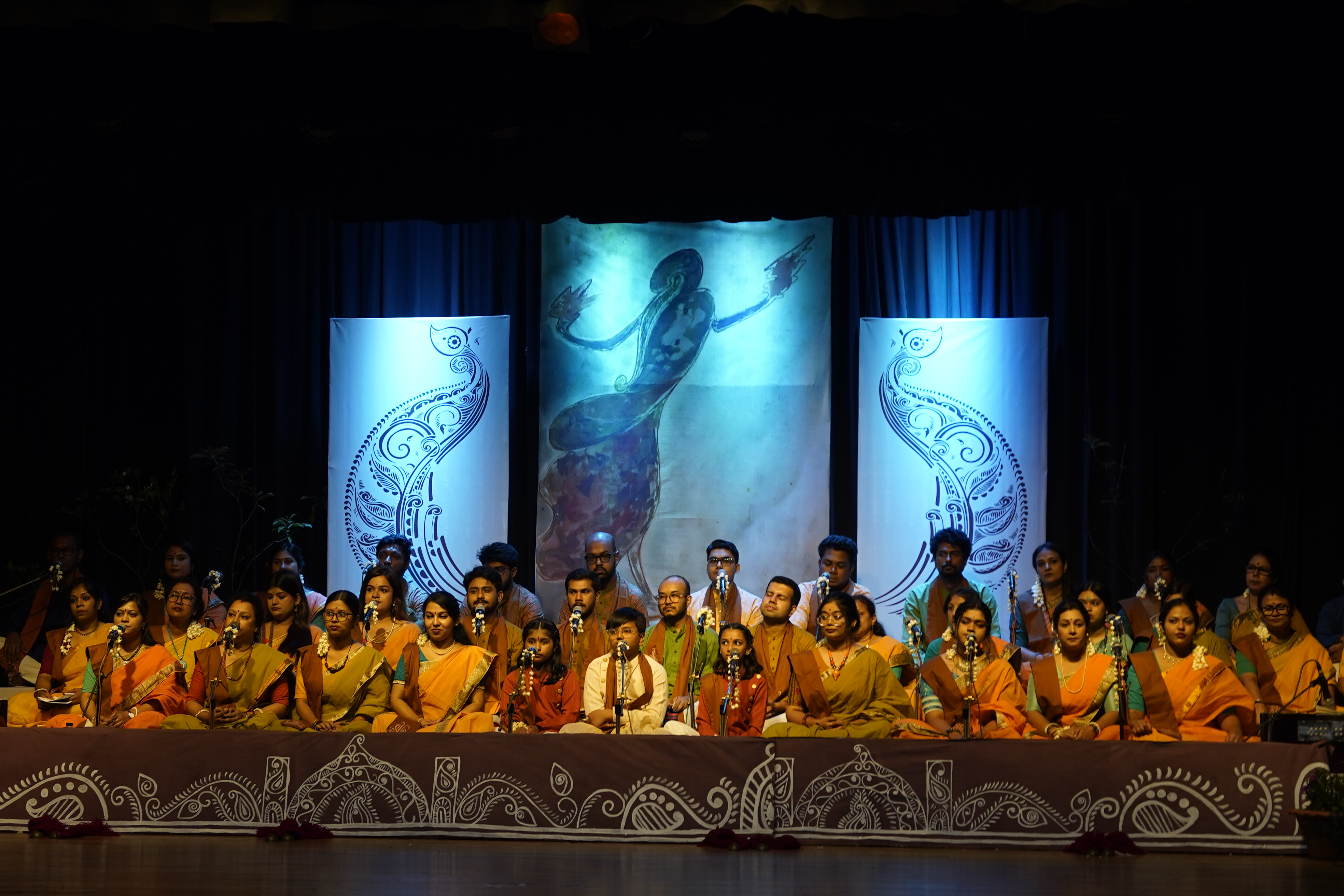
At its heart, “Boshonto” appears to be more than a seasonal musical. It is built on an evocative dramatic premise: in a kingdom burdened by emptiness and anxiety, the poet becomes the one who restores feeling, colour and liveliness. Spring is not treated merely as a backdrop, but as a living force — embodied through poetry, music, dance and a cast of floral characters who together transform the stage into a garden.
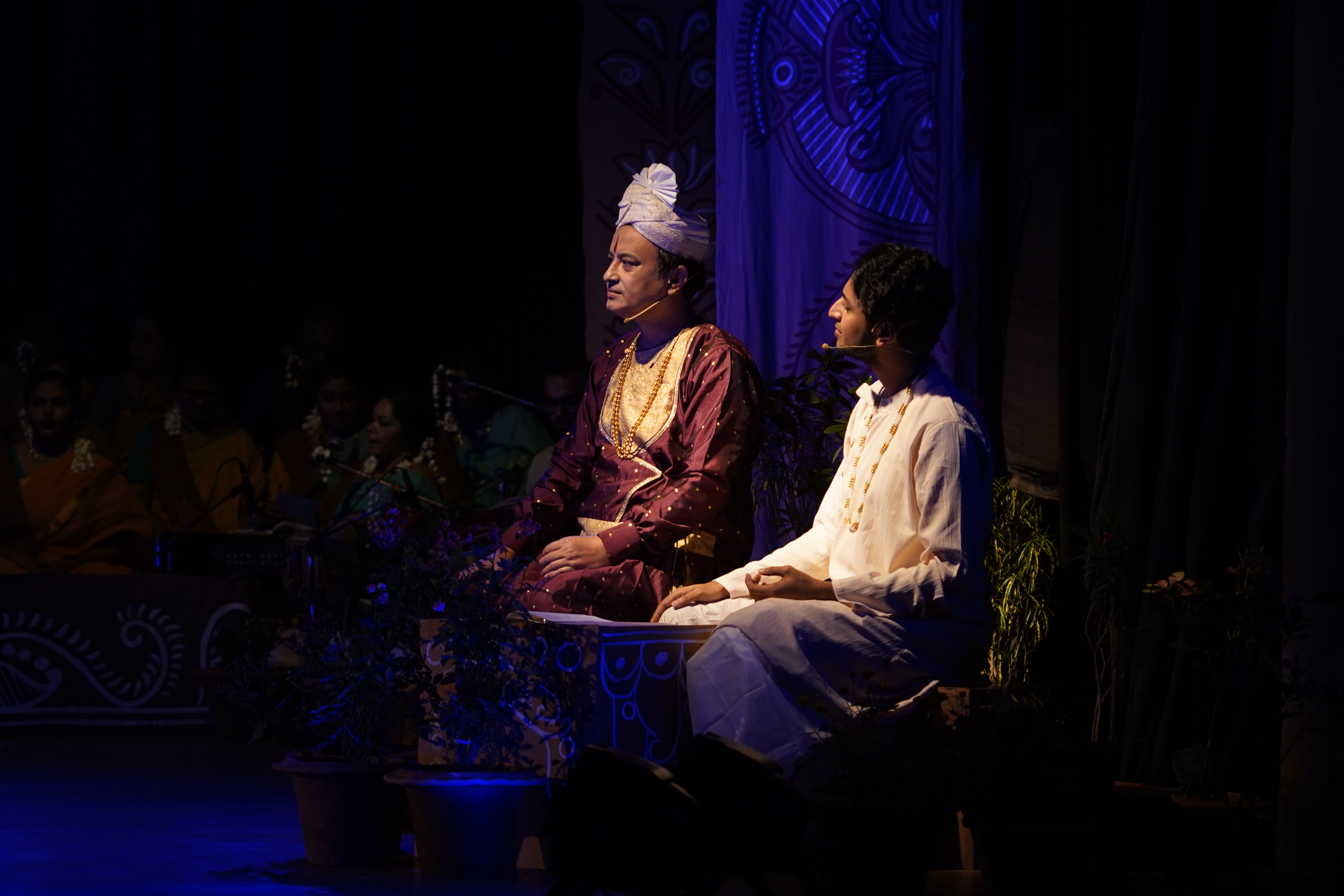
The production tributes Tagore’s dedication of the play to Nazrul during the latter’s imprisonment, creating a bridge between two towering poetic spirits of Bengal. In that sense, “Boshonto” becomes both homage and celebration — one poet remembered through the artistic universe of another.
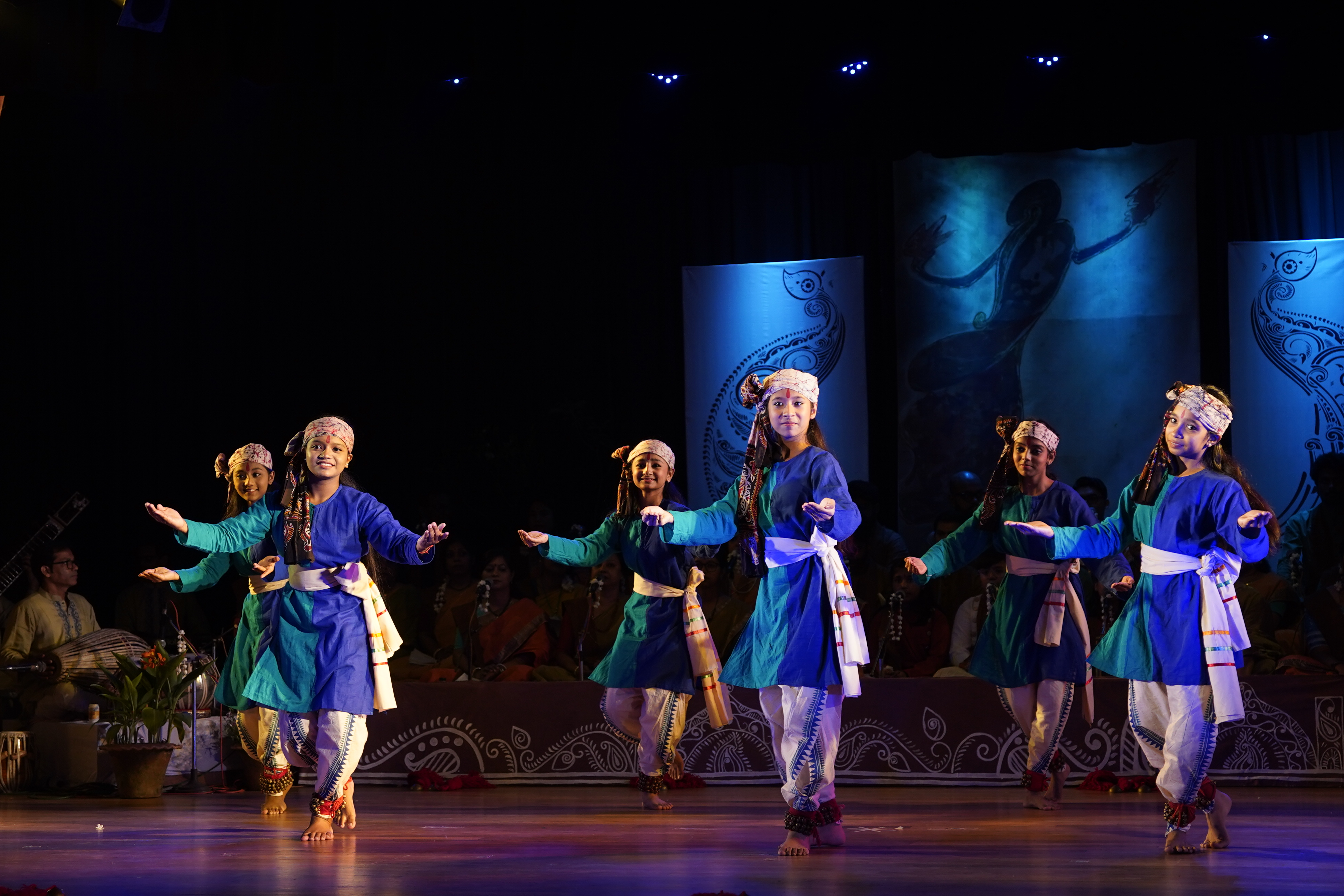
The production brings together a wide range of characters drawn from nature: Bonobhumi, Amrakunjo, Korobi, Bokul, Dipshikha, Madhabi, Malati, Shalbithika, Nodi, Dokhin Hawa, Rituraj, Jhumkolota, Akash, Dhutura, and others. Rather than appearing as fixed dramatic roles, they seem to function as seasonal presences — each helping shape the emotional texture of the play.
The song selection reflected the mood of renewal and blossoming, with familiar Rabindra Sangeet pieces on spring, longing, beauty, and movement woven into the production alongside ensemble dance performances. Students and teachers performed together, with participants including Lily Islam, Suma Ray, Sharmin Sathi Islam, Sharmila Bandyopadhyay, Tania Mannan and others.
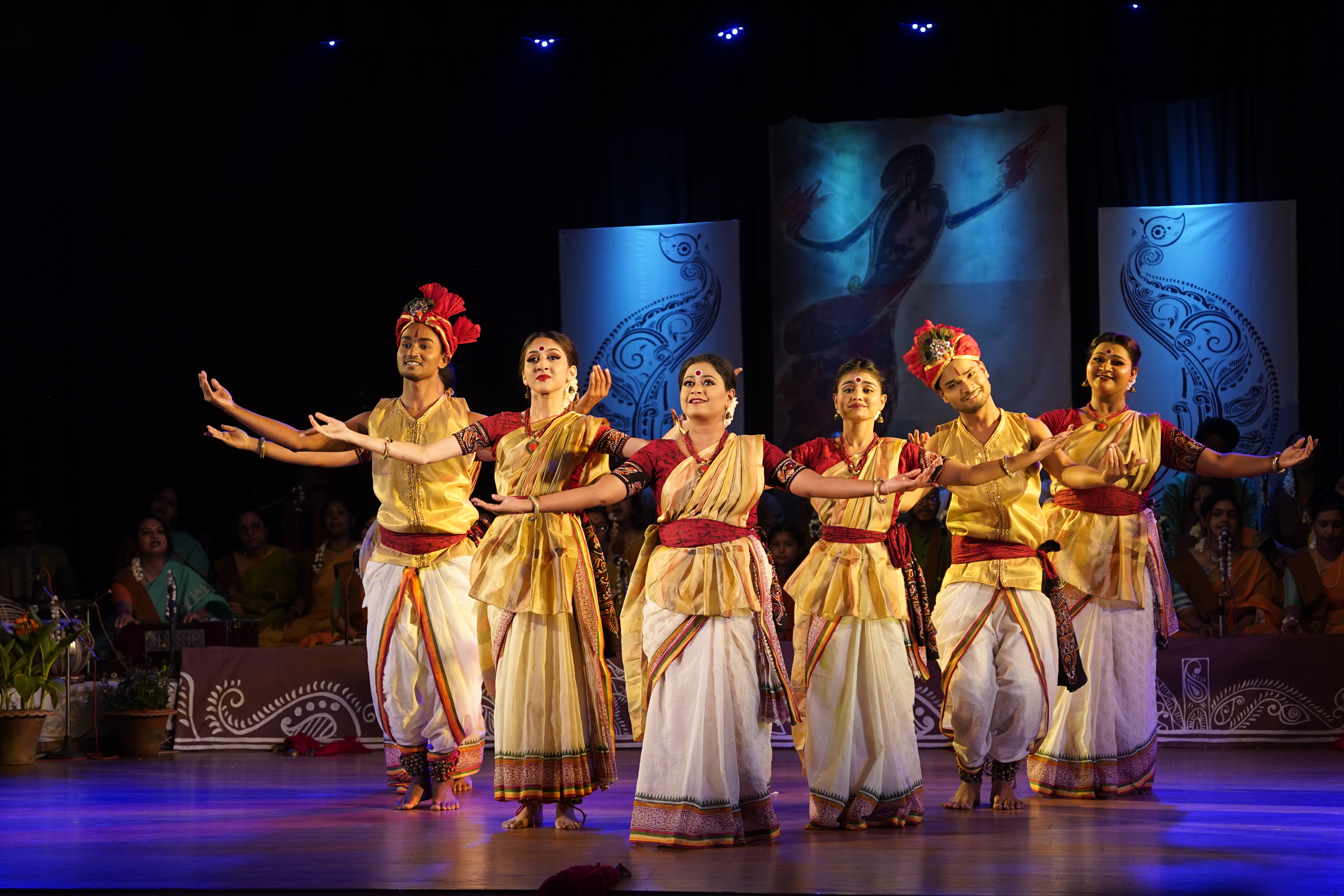
“Boshonto” is a play that takes audiences back to their roots. In a land of six seasons, spring is often seen as their king — a time when branches are colourful in new leaves and nature begins to dress with renewed life. As the season prepares to welcome Pohela Boishakh, “Boshonto” evokes a sense of rebirth and hope. This is not the story of a single protagonist, but an ensemble offering in which flowers, wind, sky, river and human emotion share the same stage. The production ultimately imagines spring as a state of awakening.
For audiences who return to Tagore every spring, “Boshonto” will likely offer something familiar and warm. And for those drawn to productions that mix literature, music, and dance, it may be one of those evenings where the spirit of the season feels most alive under stage lights.
 For all latest news, follow The Daily Star's Google News channel.
Comments