


Rabindranath is forever, he is indispensable: Anima Roy
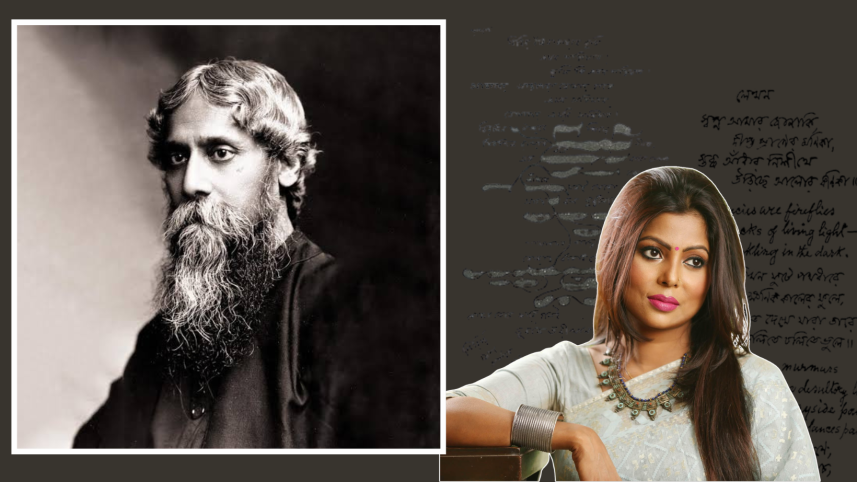
For acclaimed Rabindra Sangeet exponent Anima Roy, Rabindranath Tagore is neither a literary icon preserved in textbooks nor a composer remembered only on commemorative occasions. He is, she says, a way of understanding life itself.
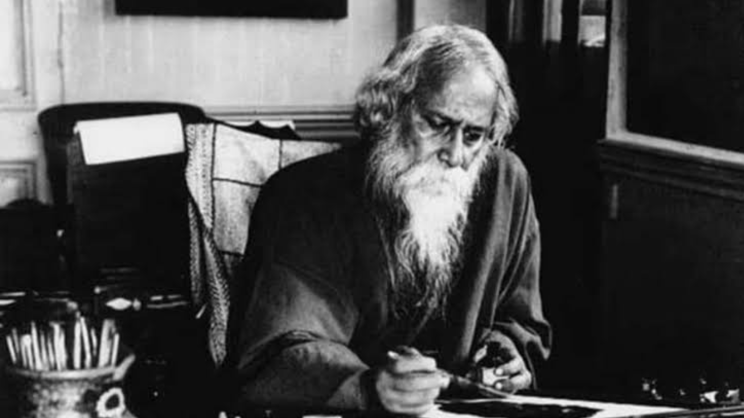
As the world marks the 85th death anniversary of the Nobel laureate on Baishe Srabon (August 6), the singer reflects on a lifelong relationship with the poet whose songs, she believes, continue to illuminate the moral and emotional landscape of Bengali life.
"Everything that I am is shaped by Rabindranath," she told The Daily Star. "If I think of my life as a whole, every part of it has been touched and influenced by him."
Raised in Keraniganj and the first in her family to study at the University of Dhaka, Roy chose Rabindra Sangeet not simply as a profession but as a lifelong discipline.
"I stayed with it, practised it and continue to practise it every day," she said. "Whatever I have achieved—whether as an artiste or as a human being—has come because I chose to walk the path of Rabindranath."


For the singer, Tagore's legacy extends far beyond music. "His creations make my days more beautiful," she said. "They shape the way I see life. Through his songs I have learned to recognise beauty in the simplest things—a paddy field, a patch of grass, the changing seasons. They teach us how to live."
That, she argues, is precisely why Tagore remains indispensable more than eight decades after his death.
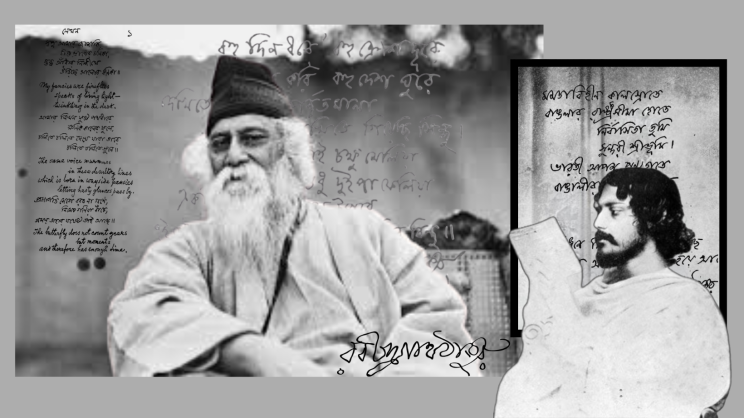
"We often speak of celebrating Bengali identity," she said. "But young people need to know Rabindranath for a deeper reason. Through him, we learn to know ourselves."
The Rabindra Sangeet exponent believes Tagore should not be confined to ceremonial remembrance or annual observances.
"We need to study him more consciously, think about him more deeply and continue researching his work," she said. "There is hardly any aspect of human life that he did not write about."
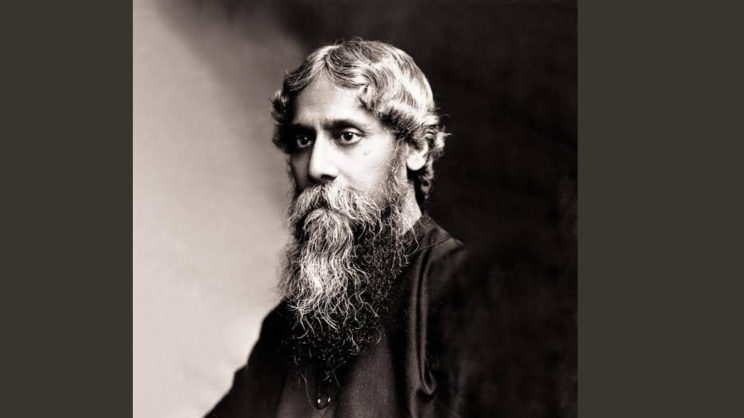
She likens his place in society to something fundamental rather than ornamental. "Just as the body needs nourishment, the mind does too," she said. "For me, Rabindranath is that nourishment. Without him, our cultural life cannot remain healthy."
Among thousands of Rabindra Sangeet compositions, one continues to accompany her through every stage of life. "'Amar Mukti Aloy Aloy' is especially close to my heart," she said. "Whenever I sing or listen to it, it fills me with strength. It is one of the most powerful songs I know."
As another Srabon rolls around, Roy returns to the thought that has sustained her through decades of music. For her, the truest tribute lies not in commemorating him once a year, but in continuing to read, sing, and live with his work.
 For all latest news, follow The Daily Star's Google News channel.
Comments