


How World Cup anthems became a global phenomenon

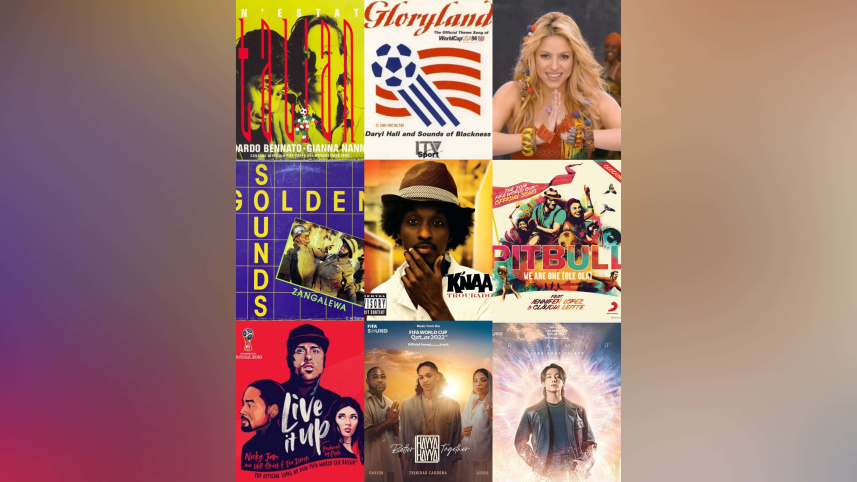
The FIFA World Cup has always extended beyond the ninety minutes on the pitch. It operates as a cultural convergence point where identity, commerce, and memory intersect. Within that ecosystem, music plays a precise role: it frames the tournament, translates its energy across borders, and leaves behind an auditory record that often outlives the matches themselves.
The earliest World Cup songs were not designed to be global earworms. They were ceremonial, almost dutiful compositions that reflected the host nation rather than the world beyond it. It was not until the late 20th century that FIFA recognised something marketers had long understood: a melody travels faster than a match highlight. By the time “Un’estate italiana” by Gianna Nannini and Edoardo Bennato arrived in 1990, the shift was clear. There was something hauntingly operatic about it, suggesting that football could be both spectacle and poetry.

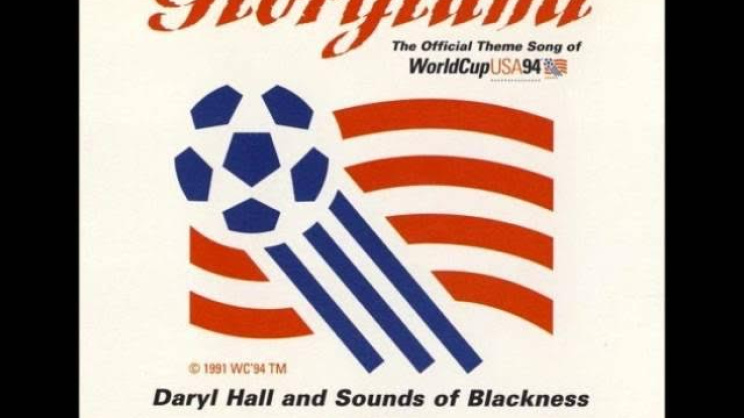
Four years later, “Gloryland” attempted a different approach, drawing on gospel influences reflective of the United States’ musical landscape. It worked in parts, but also revealed a growing tension: should a World Cup song represent the host, or aim for universal appeal? That question would shape the decades to follow.
The answer, or at least a confident attempt at one, arrived in 1998. “La Copa de la Vida” by Ricky Martin was an event in itself. Performed at the final in Paris, it injected Latin pop into the global bloodstream at a time when the genre was poised for international expansion. The song’s relentless energy mirrored the tournament’s drama, but more importantly, it introduced a new template: World Cup songs could be commercially dominant, culturally influential, and deeply tied to the spectacle without losing individuality.
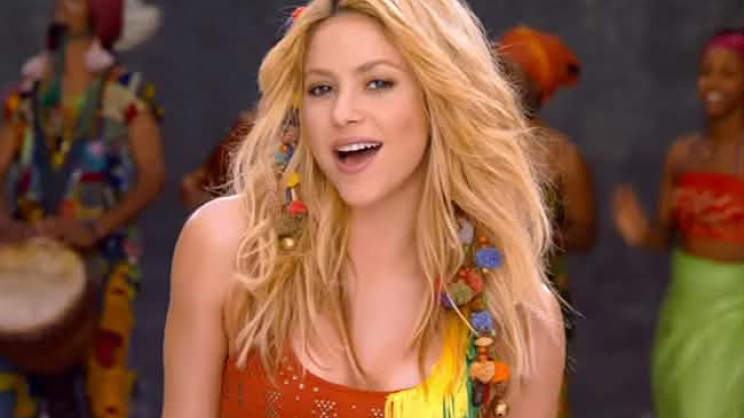
By 2010, the formula had evolved into something sharper and more intentional. “Waka Waka” by Shakira remains perhaps the most successful synthesis of local and global influences. Built on the backbone of Golden Sounds’ “Zangalewa”, it foregrounded African rhythms while remaining unmistakably pop. The production process involved deliberate engagement with African musical motifs, ensuring that the host continent’s sonic identity remained central. The result was a song that felt both celebratory and rooted—an anthem that could belong to Johannesburg as much as to the rest of the world.
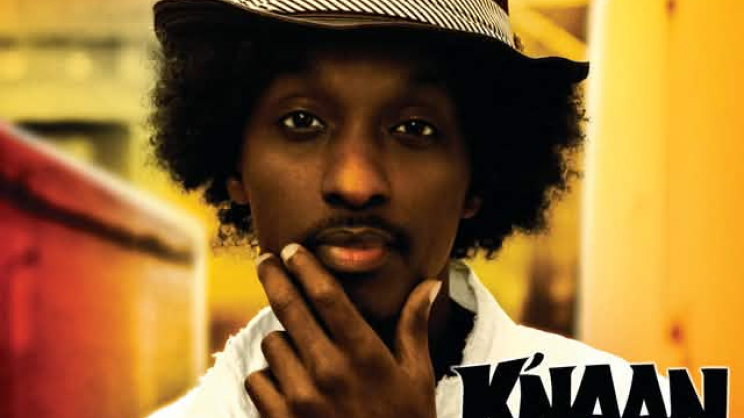
The same tournament also highlighted the role of parallel or promotional tracks. “Wavin’ Flag” by K’naan followed a different trajectory. Originally rooted in themes of displacement and resilience, the song was later adapted for commercial partnerships linked to the tournament. Its lyrical foundation provided emotional depth that resonated strongly with audiences, particularly in regions where narratives of struggle held direct relevance. The coexistence of official and unofficial anthems during this period demonstrated the multiplicity of musical narratives surrounding the World Cup.
Subsequent editions reflected an increasingly globalised production model. “We Are One” by Pitbull, featuring Jennifer Lopez and Claudia Leitte, brought together artists from different markets to maximise international reach. The composition drew on Brazilian rhythmic elements while maintaining a standardised pop structure designed for mass consumption. This approach aligned with FIFA’s broader commercial strategy, where cross-market collaboration serves as a mechanism for expanding audience engagement.
A similar framework appeared in “Live It Up” by Nicky Jam, alongside Will Smith and Era Istrefi. The track relied on contemporary production techniques and familiar rhythmic patterns aligned with streaming-era consumption habits. Its design prioritised accessibility across linguistic and cultural boundaries, reflecting the growing importance of digital platforms in shaping global music distribution.
The 2022 edition introduced a more distributed model of musical representation. “Hayya Hayya”, featuring Trinidad Cardona, Davido, and Aisha, formed part of a broader soundtrack rather than a singular defining anthem. Alongside it, “Dreamers” by Jungkook, a member of BTS, emerged as one of the most visible tracks of the tournament. Performed at the opening ceremony, it drew on a polished pop structure layered with regional sonic elements, while its global reception was amplified by Jungkook’s established audience. The inclusion of multiple high-profile tracks reflected a strategic shift towards a soundtrack model that accommodates diverse listening bases across regions.

To understand why some songs endure while others fade, one must look beyond production quality or chart performance. The enduring anthems are those that attach themselves to moments. “Waka Waka” is inseparable from the sound of vuvuzelas across South African stadiums. “La Copa de la Vida” is tied to the late-1990s surge of global pop optimism. Even “Un’estate italiana” carries a nostalgia for a slower, more romantic footballing era. Music, in this context, acts as both amplifier and archivist—it heightens the emotional stakes in real time and preserves that feeling long after the final whistle.
There is also an argument to be made about ownership. Football fans do not passively consume these songs; they reinterpret them. They chant them in stadiums, remix them in local dialects, and attach them to personal memories that FIFA could never script. A World Cup song, once released, ceases to belong solely to its creators. It becomes part of a collective experience, shaped as much by street celebrations in Dhaka as by official ceremonies in Berlin or Rio.
Perhaps that is why the most iconic anthems carry a certain openness. They are not overly precise in their messaging, nor burdened by the need to say everything at once. Instead, they offer a framework—a rhythm, a hook, a feeling—into which millions of individual stories can fit.
In the end, the success of a World Cup song is not measured by streams or awards, but by its afterlife. Does it linger in memory, resurfacing uninvited in quiet moments? Does it make you feel, however briefly, part of something larger than yourself? The best ones do. They remind us that football, for all its tactics and statistics, is ultimately an emotional experience—and that sometimes, it takes a song to make that emotion audible.
 For all latest news, follow The Daily Star's Google News channel.
Comments